Engineered to withstand severe atmospheric pressure changes and airborne projectile impacts during Category 5 hurricane conditions.
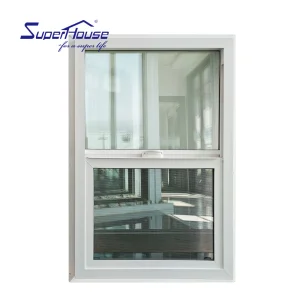
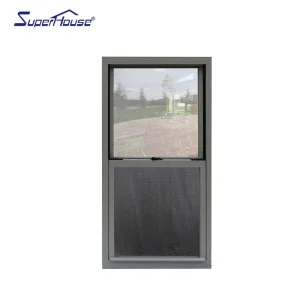
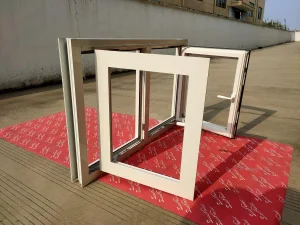
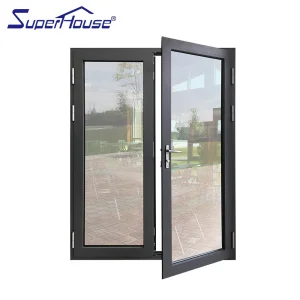
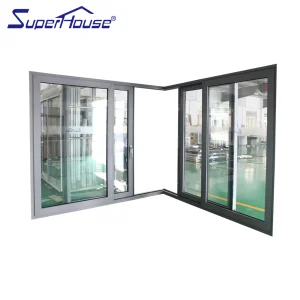
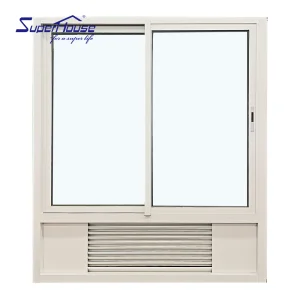
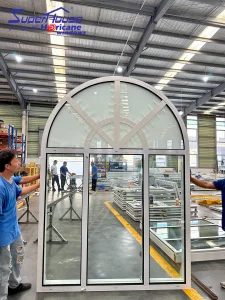
The global demand for high-performance hurricane-resistant front doors and structural fenestration systems has experienced an unprecedented surge over the past decade. Intensifying meteorological phenomena, coupled with revised municipal building codes across coastal regions such as Florida, the Gulf Coast, the Caribbean Basin, and Coastal East Asia, have transformed impact-resistant doors from premium architectural upgrades into mandatory structural components. High-Velocity Hurricane Zones (HVHZ) demand door assemblies capable of maintaining structural integrity under wind velocities exceeding 170 mph (76 m/s) and resisting severe dynamic cyclic loads.
Modern architectural entry systems must satisfy dual imperatives: providing exceptional resistance against extreme kinetic impacts and severe differential wind pressure while delivering superior energy efficiency (low U-factors), noise reduction (high STC ratings), and modern aesthetics. As global real estate developers, commercial contractors, and wholesale distributors seek supply partners, China’s advanced fenestration manufacturing ecosystem has emerged as the definitive hub for engineered structural opening solutions.
Procuring hurricane-resistant front doors requires complete compliance with strict international testing protocols. Fenestration systems must undergo stringent physical testing to certify structural performance under extreme environmental stress. Chinese OEM/ODM manufacturing facilities have aligned their automated production lines to satisfy and exceed the following critical standards:
| Certification Standard | Testing Protocol Scope | Engineering Significance |
|---|---|---|
| ASTM E1886 / E1996 | Missile impact and dynamic pressure cycling | Mandatory for hurricane zones in North America; verifies defense against windborne debris. |
| TAS 201 / 202 / 203 | Miami-Dade County HVHZ protocols | The most stringent testing worldwide, involving 9-lb 2x4 timber shot at 50 ft/s followed by 9,000 pressure cycles. |
| FBC (Florida Building Code) | Statewide structural compliance & Product Approval | Ensures door frame, panel, glass, and hardware withstand design pressures (DP ratings up to +/- 100 PSF). |
| NFRC (USA) | Thermal transmittances (U-Factor) & SHGC | Certifies energy efficiency in insulated glass units under solar exposure. |
| AS2047 / AS1288 (Australia) | Structural deflection, air infiltration, water entry | Standard requirement for cyclone-prone zones across Australasia. |
A true hurricane-resistant front door assembly is designed as a dynamic structural shield. Under TAS 201 / ASTM E1996 protocols, testing occurs in two phases:
Combining heavy automation, high-grade alloy processing, and rigorous quality control to deliver global structural entry solutions.
The manufacturing process of China’s leading hurricane front door factories utilizes high-tensile extrusion technology, advanced polymer interlayers, and multi-point locking mechanisms. Modern entry doors utilize thermal break aluminum profiles extruded from 6063-T6 or 6061-T6 structural alloy, featuring multi-chamber designs. These internal chambers house reinforced steel or titanium structural stiffeners, allowing the frames to withstand lateral flex under extreme pressure loading.
At the center of any glazed hurricane door is the Laminated Impact Glass Unit. Utilizing SentryGlas® (SGP) ionoplast interlayers between heat-strengthened low-iron glass sheets, these units offer 5 times the tear strength and 100 times the rigidity of standard PVB interlayers. Even if the outer glass layer shatters upon missile impact, the SGP interlayer maintains panel stiffness, preventing wind and rain from entering the interior envelope.
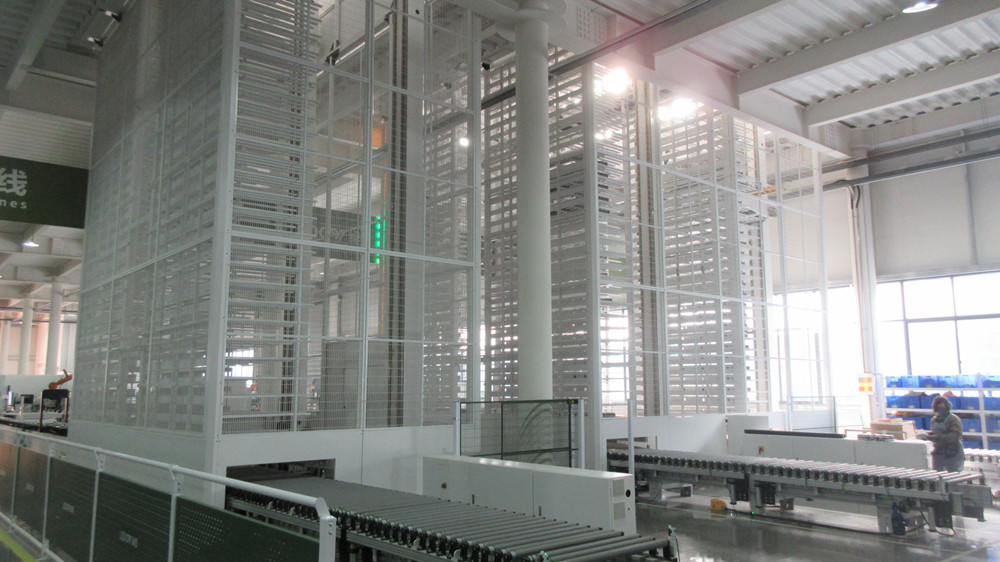
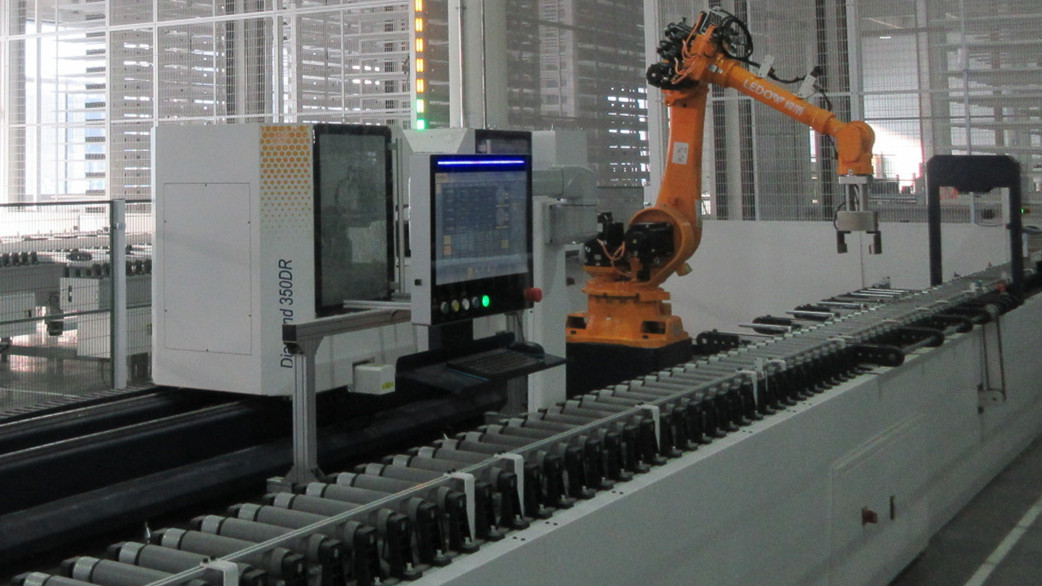
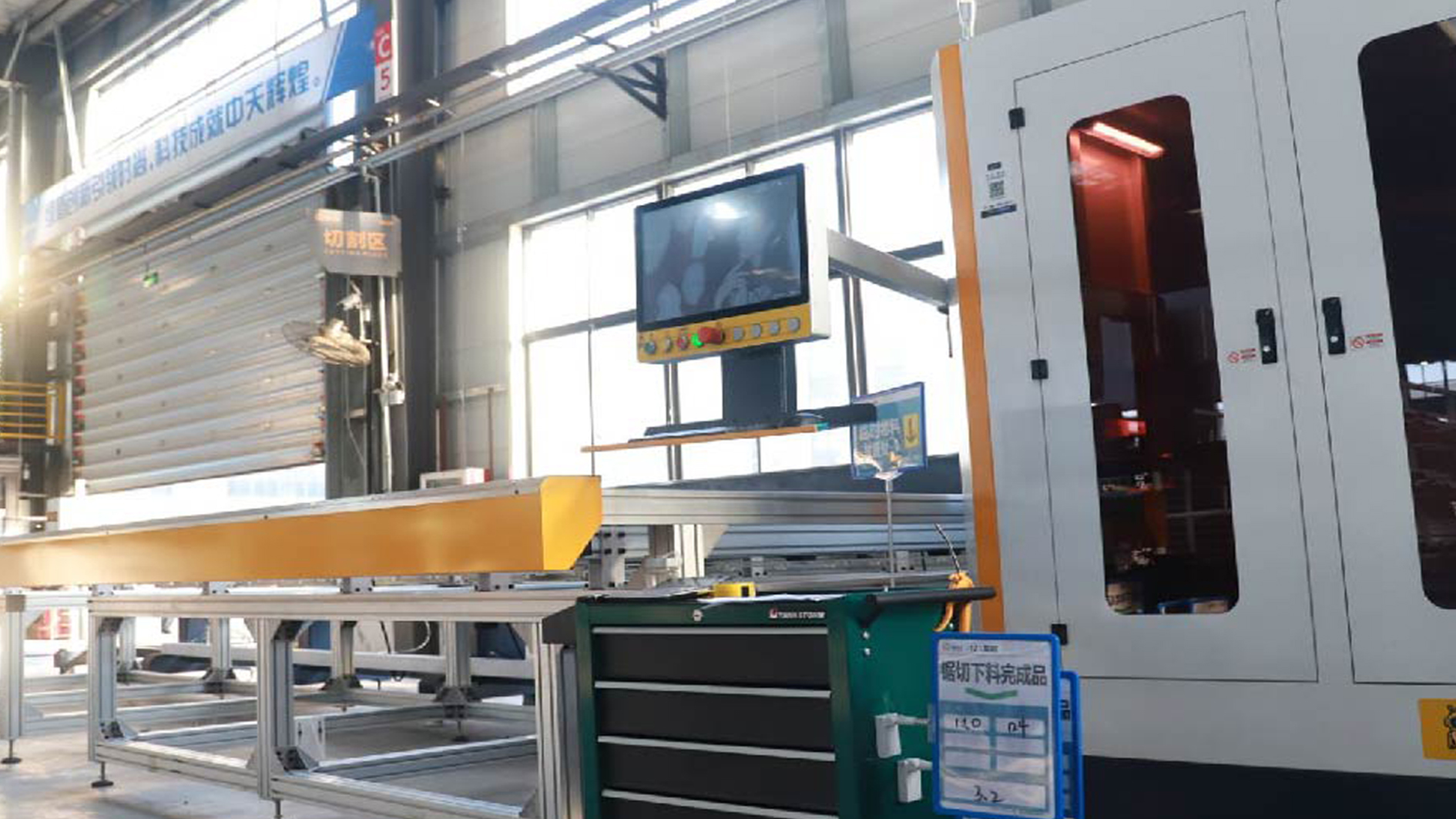
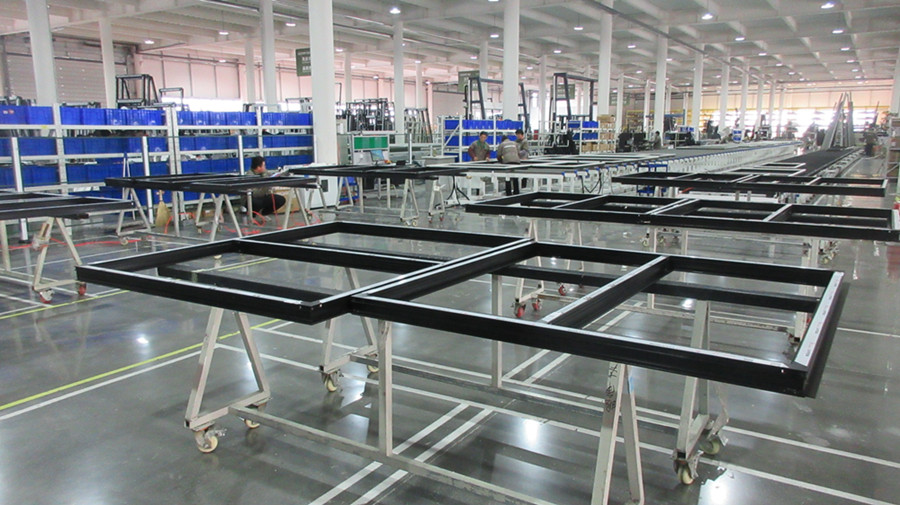
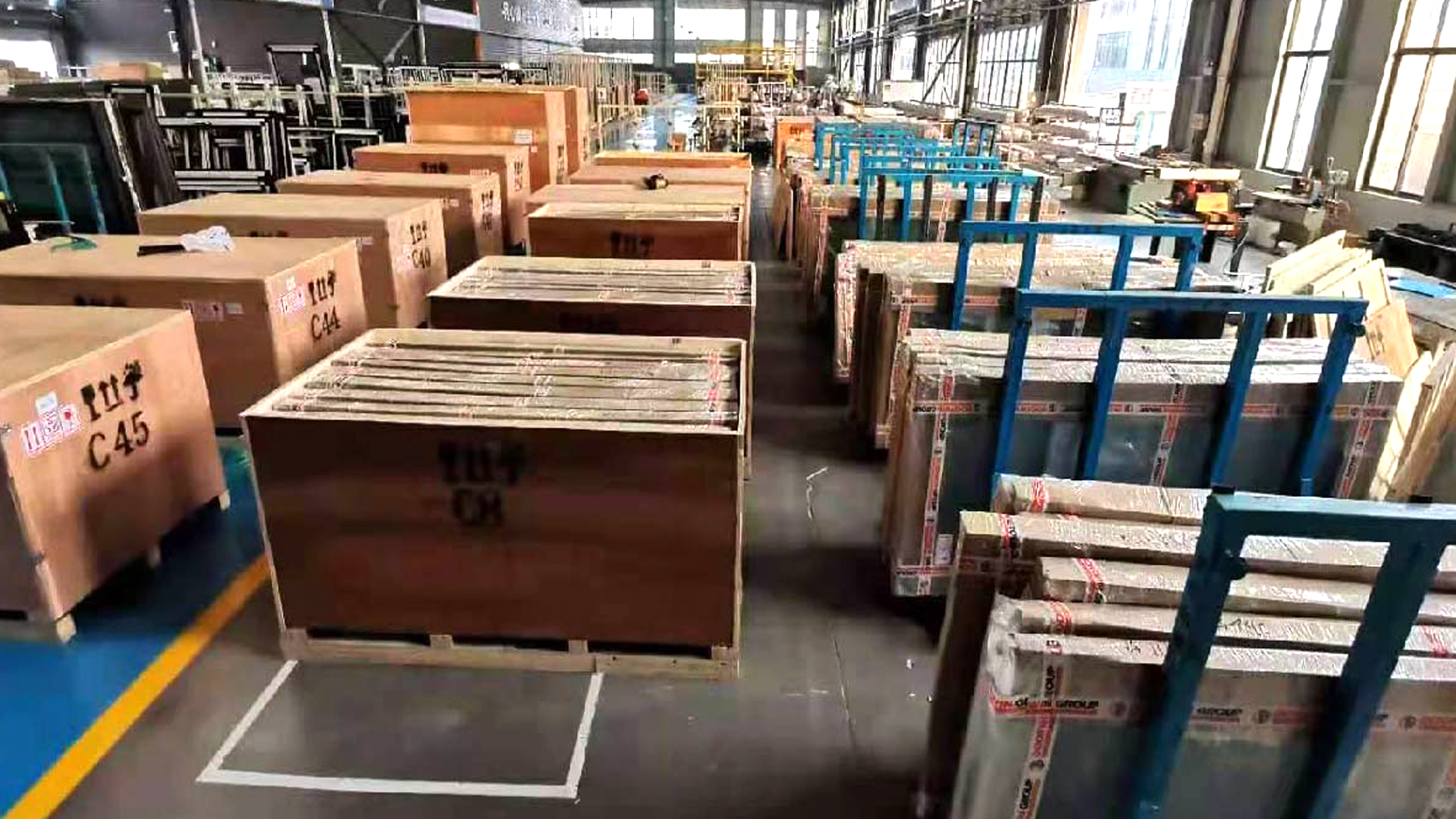
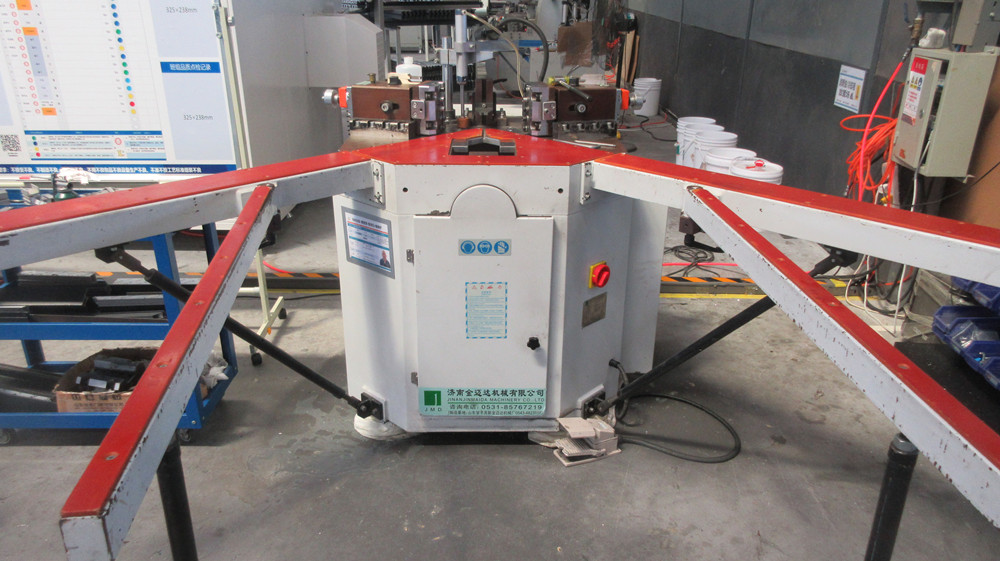
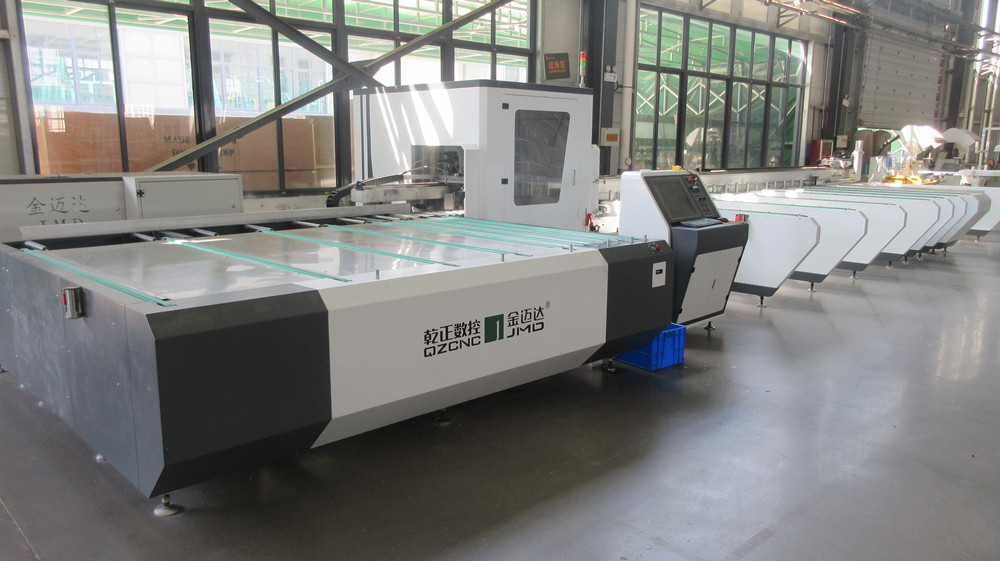
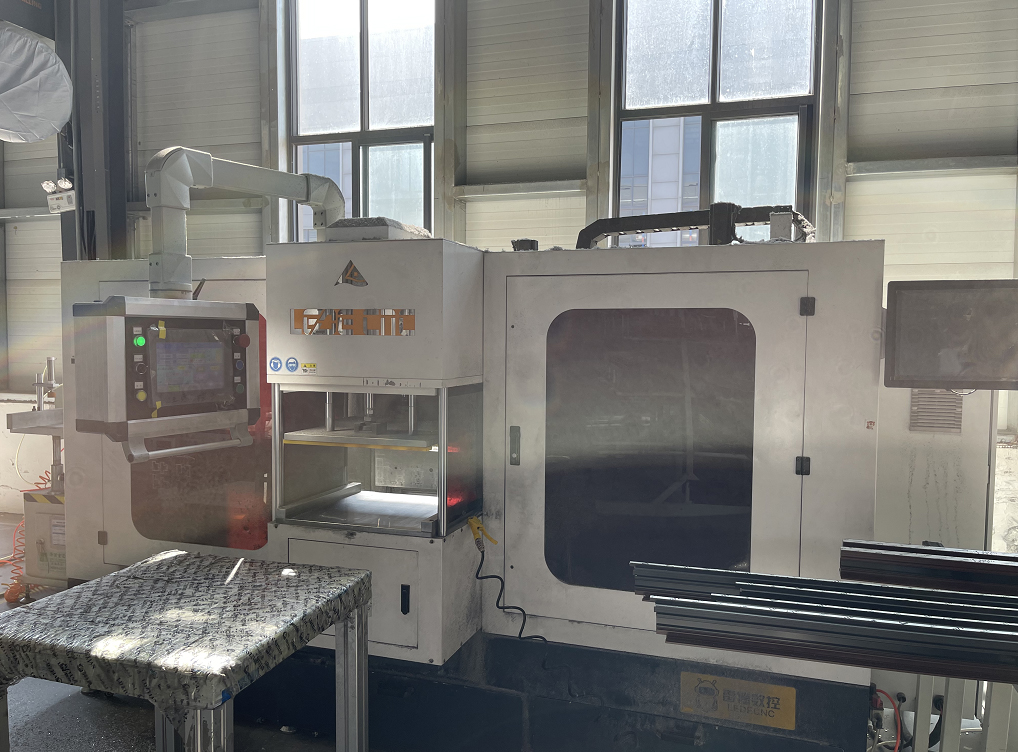
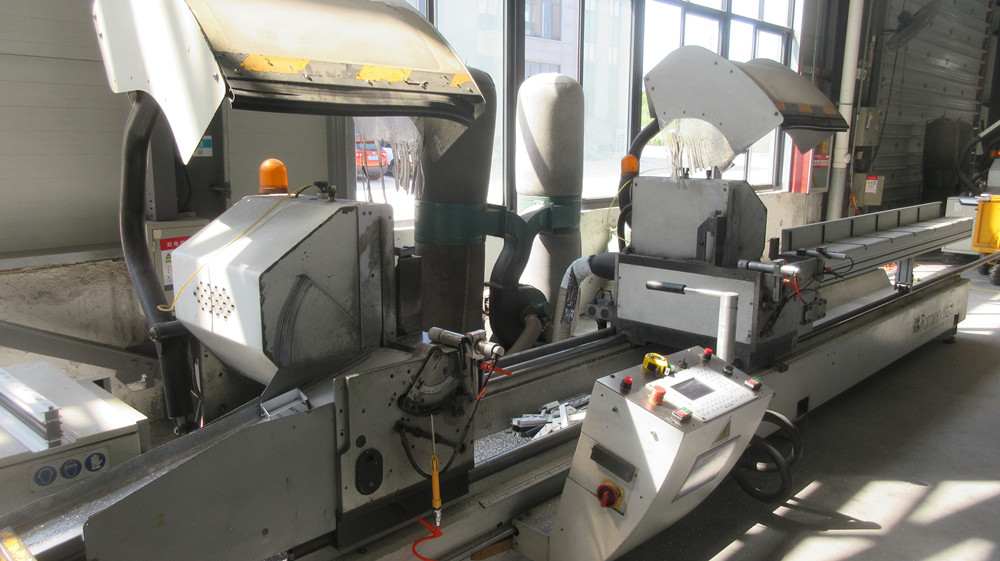
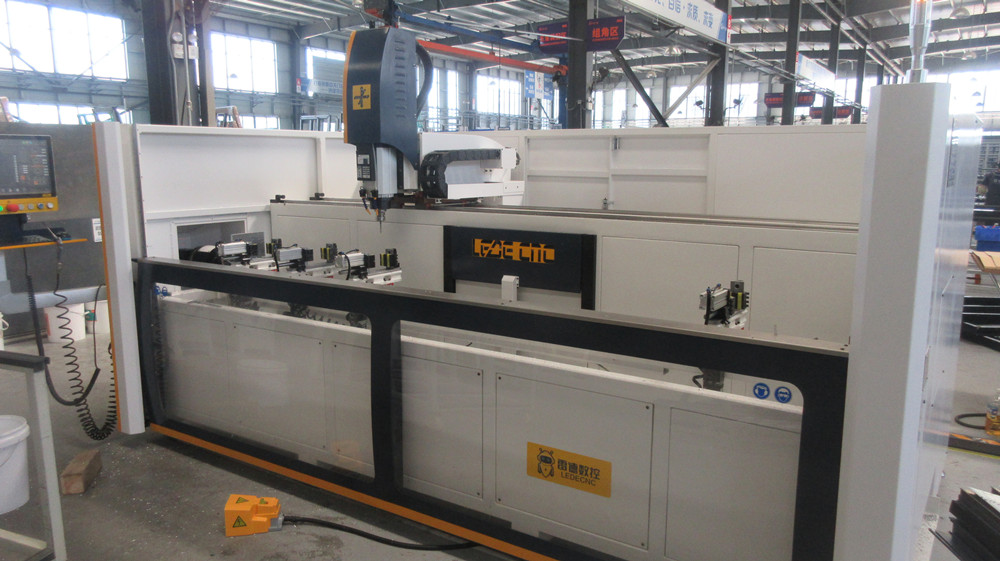
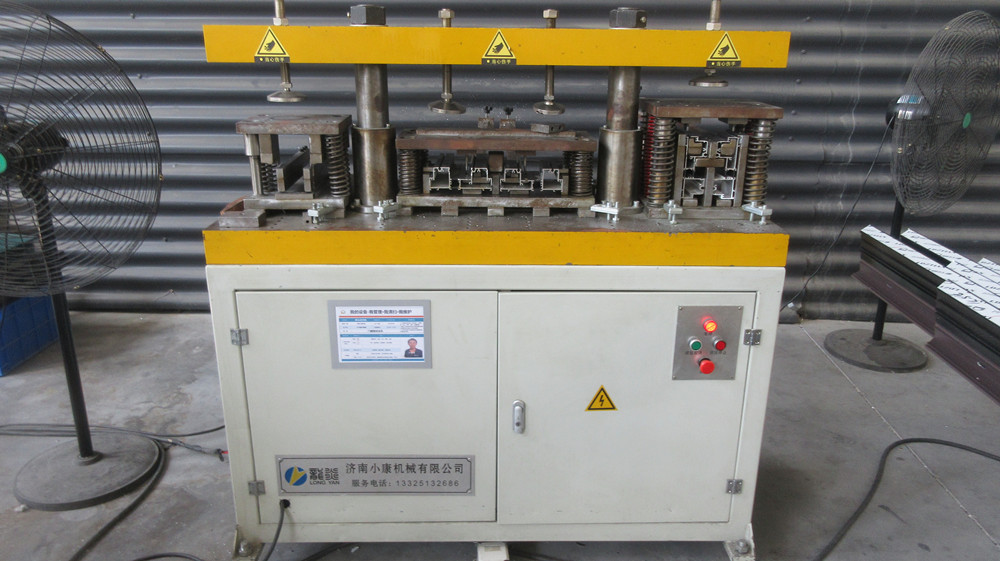
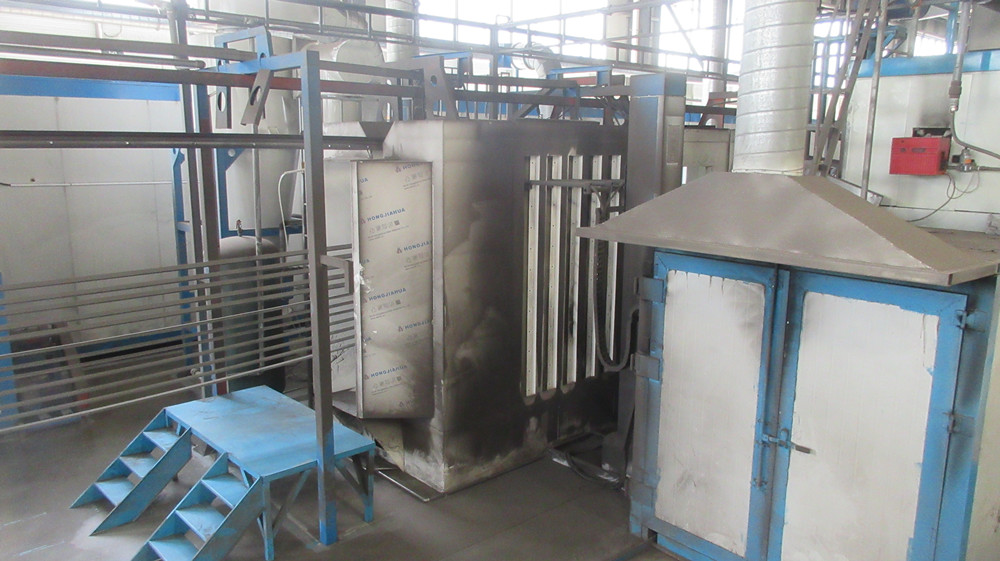
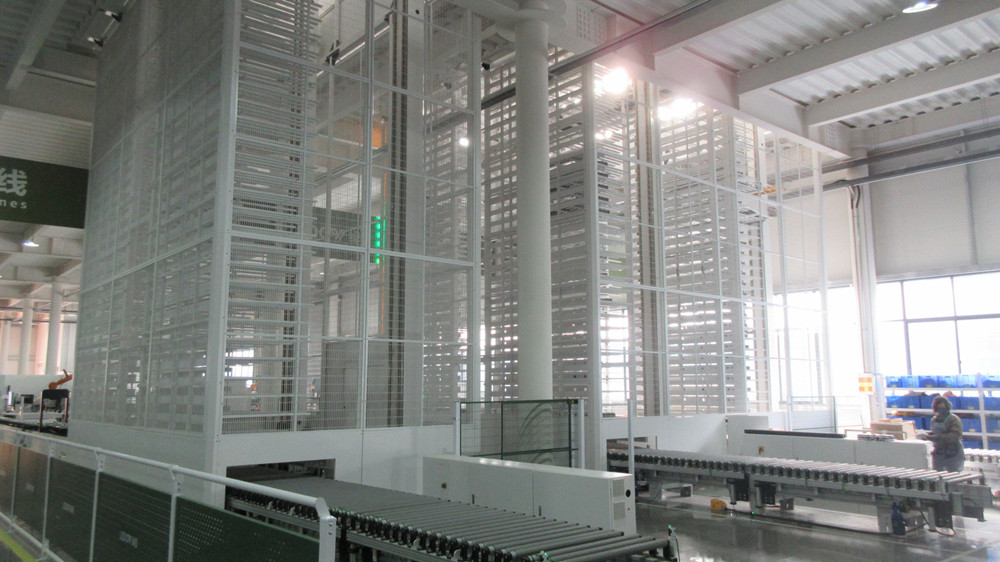
Founded in 2014, ShieldCraft Door Industries Co., Ltd. combines 12 years of deep industry expertise with 4 years of rapid international export growth. Operating from a massive 50,000 sq ft state-of-the-art industrial park, our enterprise generates over $45 million in annual export sales, serving as a trusted supplier for major commercial projects globally. Supported by robust international trade logistics capabilities and an extensive supply chain ecosystem of over 1,800 manufacturing and material partners, ShieldCraft reliably supplies leading Home Improvement Chains, Commercial Builders, and Brand Wholesalers across Eastern Europe, Central Asia, and North America.
Quality assurance is embedded in every manufacturing stage. Our technical team includes 95 dedicated QC technicians conducting automated optical inspections (AOI), structural impact endurance testing, and multi-point lock alignment checks to ensure defect-free assembly. With industry-leading R&D capabilities, our team of 210 skilled engineers developed over 600 new architectural door and window models last year alone. ShieldCraft delivers complete OEM/ODM customization options, including smart biometric entry system integration, custom RAL powder coating, PVDF anti-corrosion treatments, and specialized high-density thermal insulation polyurethane cores.
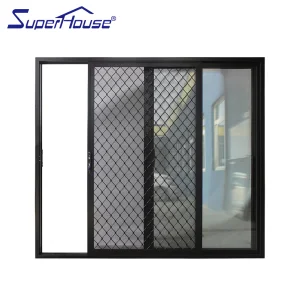
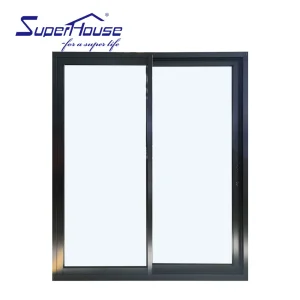
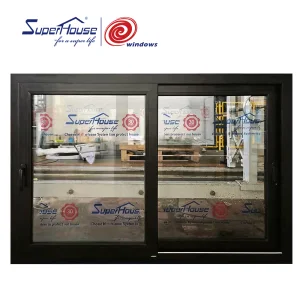
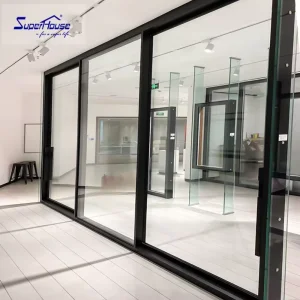
High-end coastal developments require expansive glass panels without compromising storm safety. Custom arched thermal-break aluminum entry doors and oversized sliding systems utilize heavy-duty stainless steel rollers, multi-point locking gear, and low-emissivity (Low-E) coatings to maximize ocean views while mitigating severe thermal heat gain.
Commercial resorts and high-rise hotels in hurricane zones require heavy-traffic entry systems engineered for high acoustic insulation (STC 45+) and rapid emergency egress. Integrated nail-fin installation frames and PTAC louver window integration provide streamlined installation into reinforced concrete structures.
Marine environments impose severe electrochemical stress on hardware and aluminium surfaces. ShieldCraft applies AAMA 2605-compliant PVDF fluorocarbon coatings, delivering 10+ years of resistance against salt-spray corrosion, UV degradation, and chalking.
The fenestration sector is experiencing a massive paradigm shift toward smart structural doors. When sourcing hurricane-resistant front doors from Chinese manufacturers, global procurement teams must analyze total cost of ownership (TCO) based on three emerging industry trends:
Integrating electronic smart hardware (biometric fingerprint scanners, facial recognition, encrypted keypad entry) into hurricane-rated doors was historically challenging due to multi-point mechanical latching requirements. Advanced engineering now enables electronic actuators to drive heavy multi-point locking rods, maintaining strict storm seal tightness alongside modern access control.
Modern architectural design favors minimalist profiles with expansive glass. Advanced high-density polyamide thermal break strips (PA66GF25) isolate external aluminum frames from internal spaces, delivering structural strength alongside low thermal conductivity.
In-depth technical answers addressing engineering standards, customization options, and procurement logistics.
Explore our export-grade certified fenestration portfolio engineered for extreme climate zones.
 ShieldCraft Doors