Explore our top-tier certified thermal break systems designed for extreme climate resistance and architectural durability.
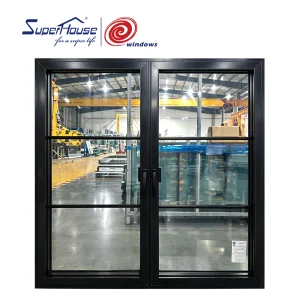
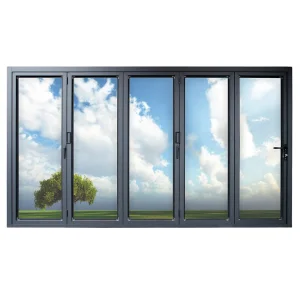
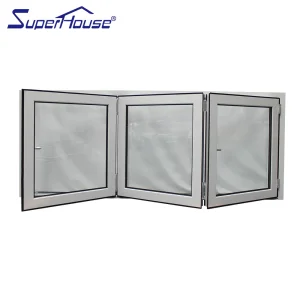
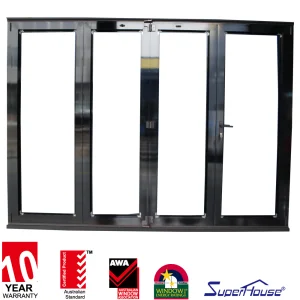
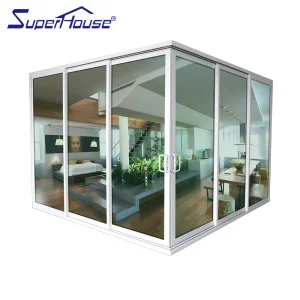
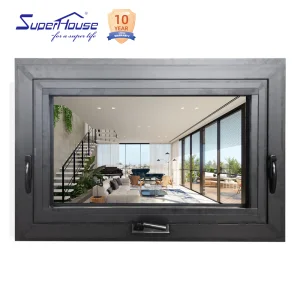
In the contemporary landscape of global architectural engineering and sustainable building envelope design, energy-efficient entry doors have evolved from luxury architectural features into strictly regulated, mission-critical structural elements. As global decarbonization mandates—such as the European Union’s Energy Performance of Buildings Directive (EPBD) and North America’s ENERGY STAR® 7.0 standards—tighten thermal transmittance requirements, commercial builders and residential developers are turning to premier manufacturing hubs in China to source high-performance door assemblies.
China’s advanced fenestration manufacturing ecosystem represents a fusion of massive economies of scale, cutting-edge metallurgical engineering, multi-chambered polyamide thermal barrier innovation, and fully automated optical inspection (AOI) quality assurance systems. Contemporary entry door factories in China no longer merely compete on cost efficiency; they lead the global industry in delivering custom-engineered fenestration products achieving U-factors as low as 0.12 BTU/h·ft²·°F (0.68 W/m²K), complete structural resistance against high-velocity hurricanes, and full compliance with NFRC, AAMA, AS2047, and CE certifications.
Unlike traditional single-material door fabricators, top-tier Chinese manufacturers employ hybrid composite structural framing. By integrating extruded T6 6063 architectural aluminum alloys with continuous polyurethane insulating cores and multi-cavity glass-reinforced nylon strips (PA66 GF25), these factories systematically eliminate thermal bridging while providing wind load resistance up to 9,000 Pascals (Pa).
Integrating 12 years of deep architectural fenestration expertise with high-speed automated production technologies.
Founded in 2014, ShieldCraft Door Industries Co., Ltd. combines 12 years of industry experience with 4 years of rapid international export growth. Operating from a massive 50,000 sq ft industrial park, we generate over $45 million in annual export sales. Supported by strong international trade capabilities and over 1,800 supply chain partners, we supply leading Home Improvement Chains, Commercial Builders, and Brand Wholesalers across Eastern Europe, Central Asia, and North America.
Quality is safeguarded by 95 QC technicians conducting automated optical inspections, impact endurance tests, and multi-point lock alignment checks. With top-tier R&D strength, our team of 210 skilled engineers developed over 600 new models last year, offering full customization options including smart entry system integration, custom RAL colors, and specialized thermal insulation cores.
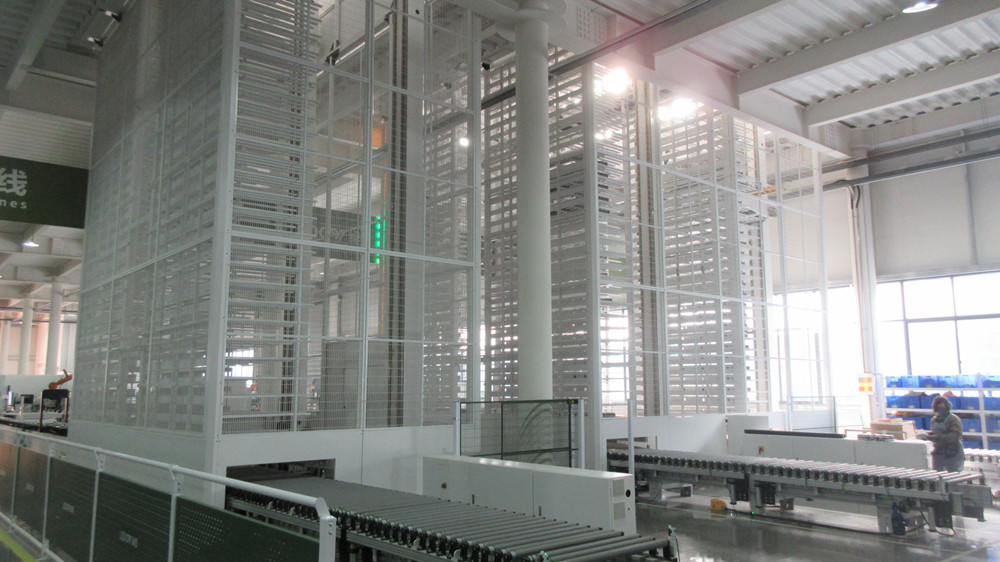
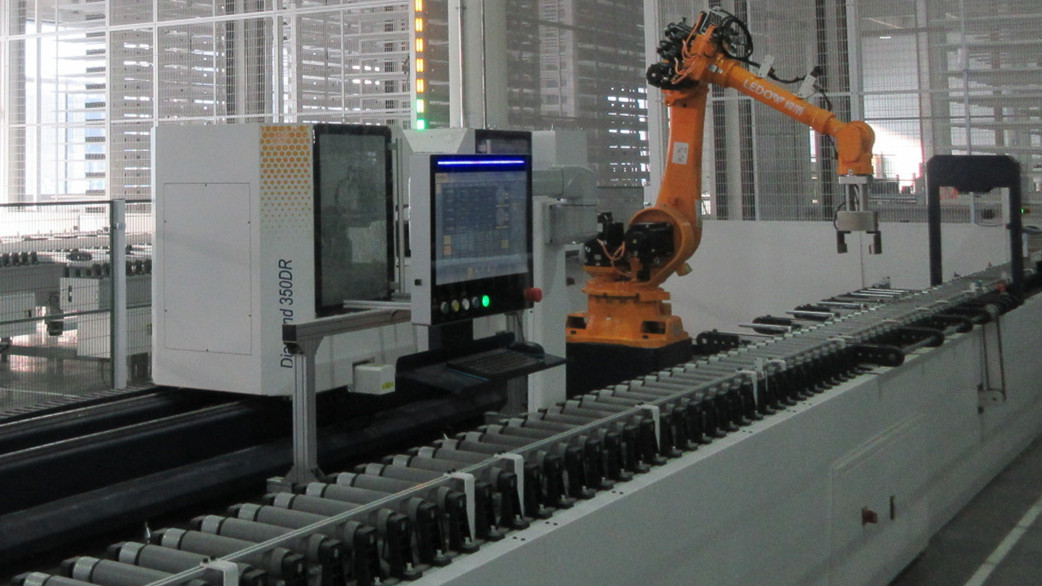
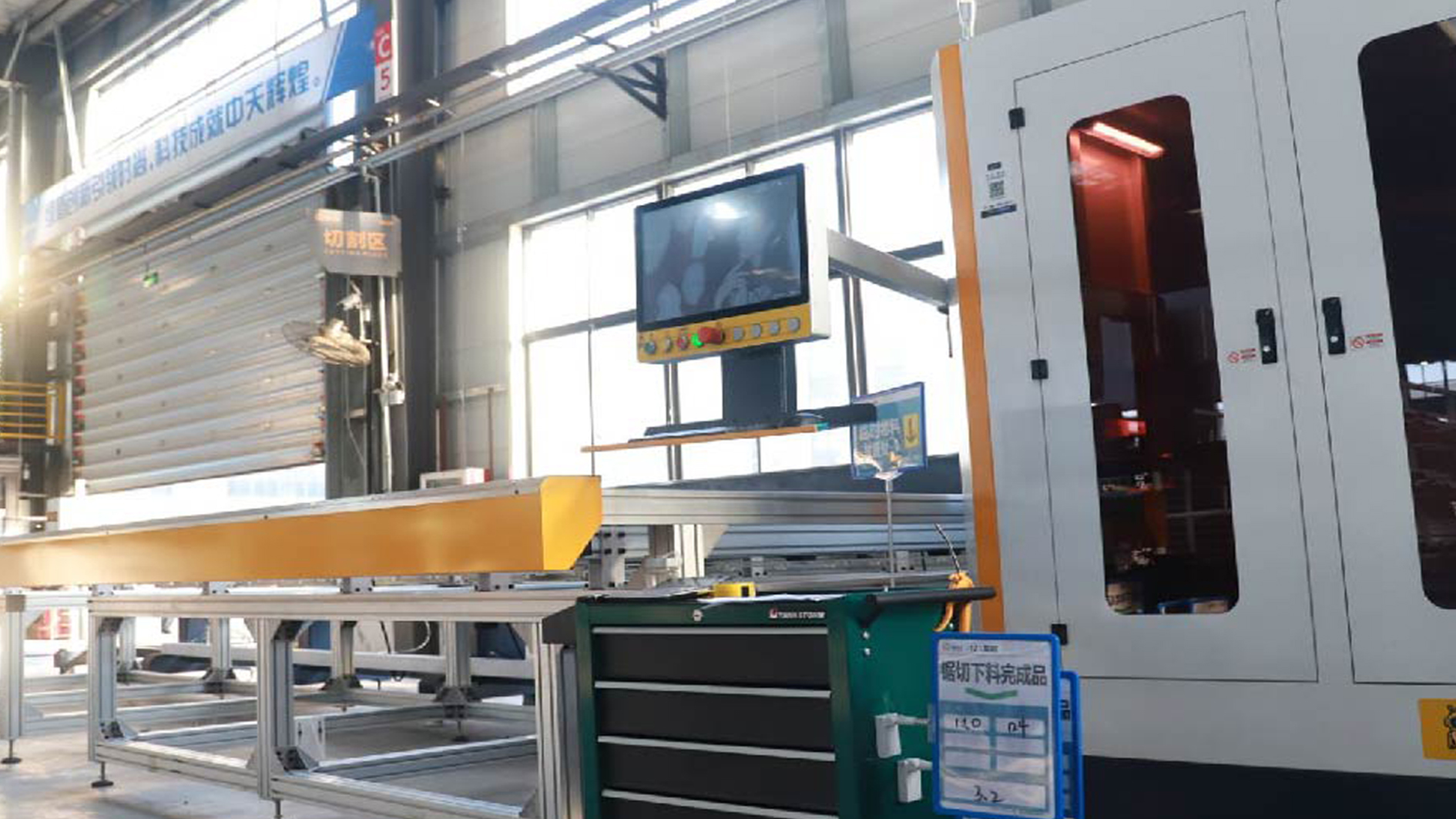
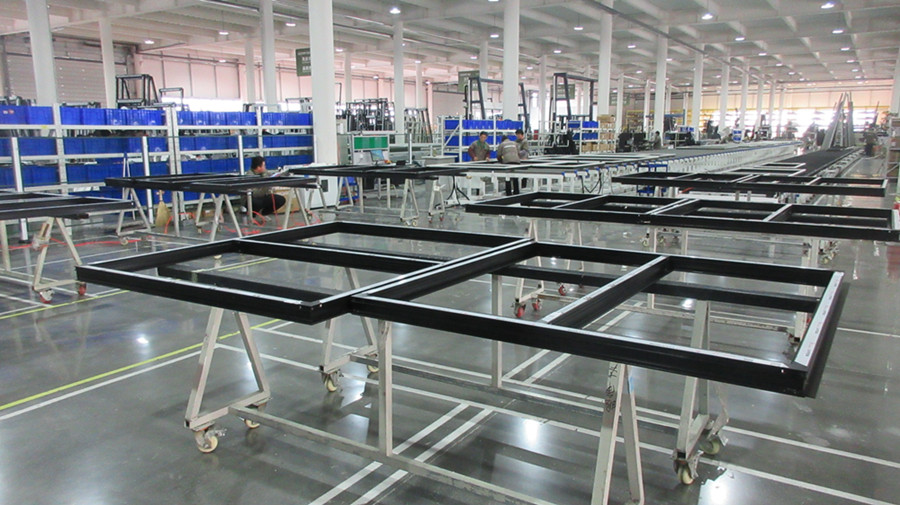
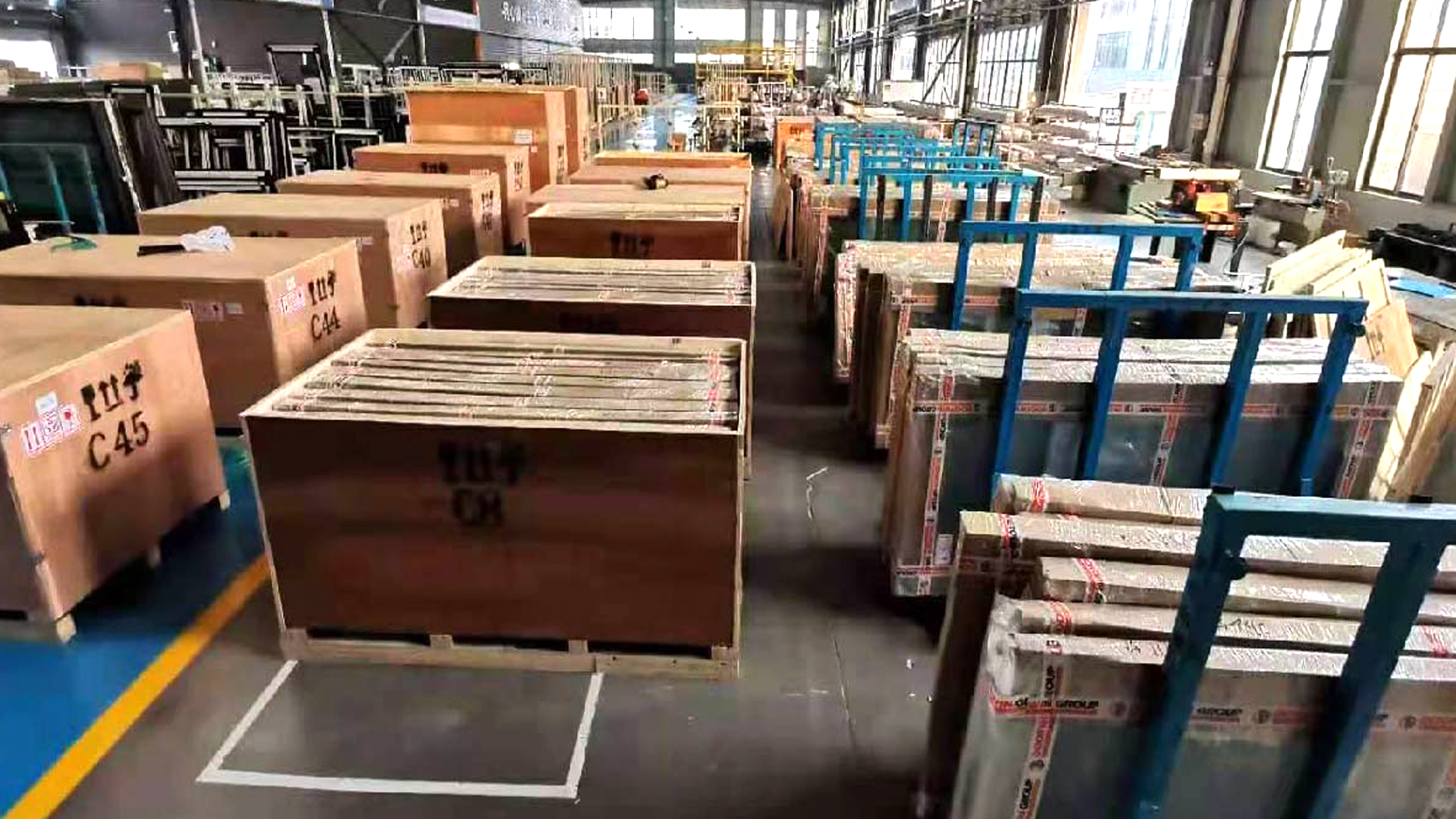
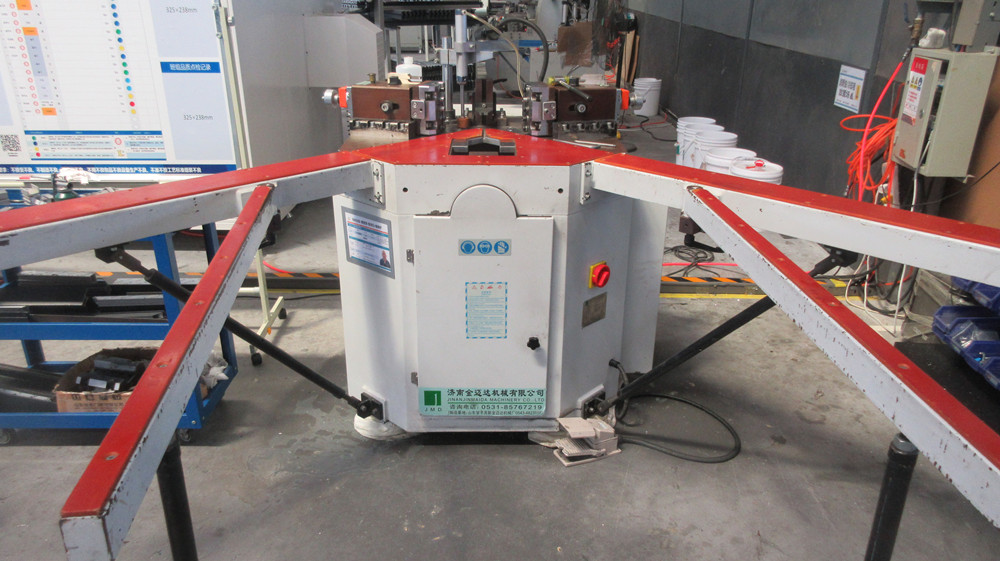
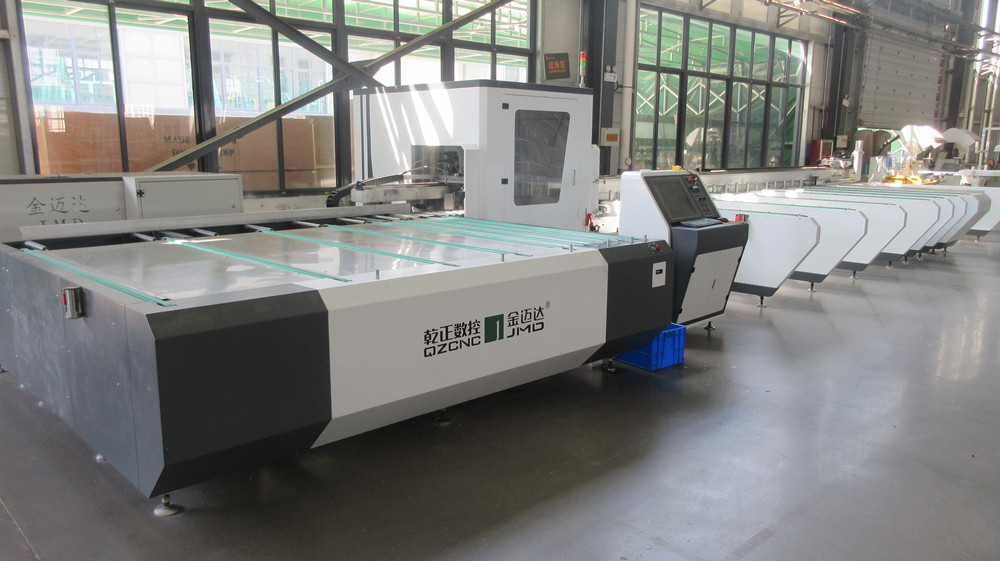
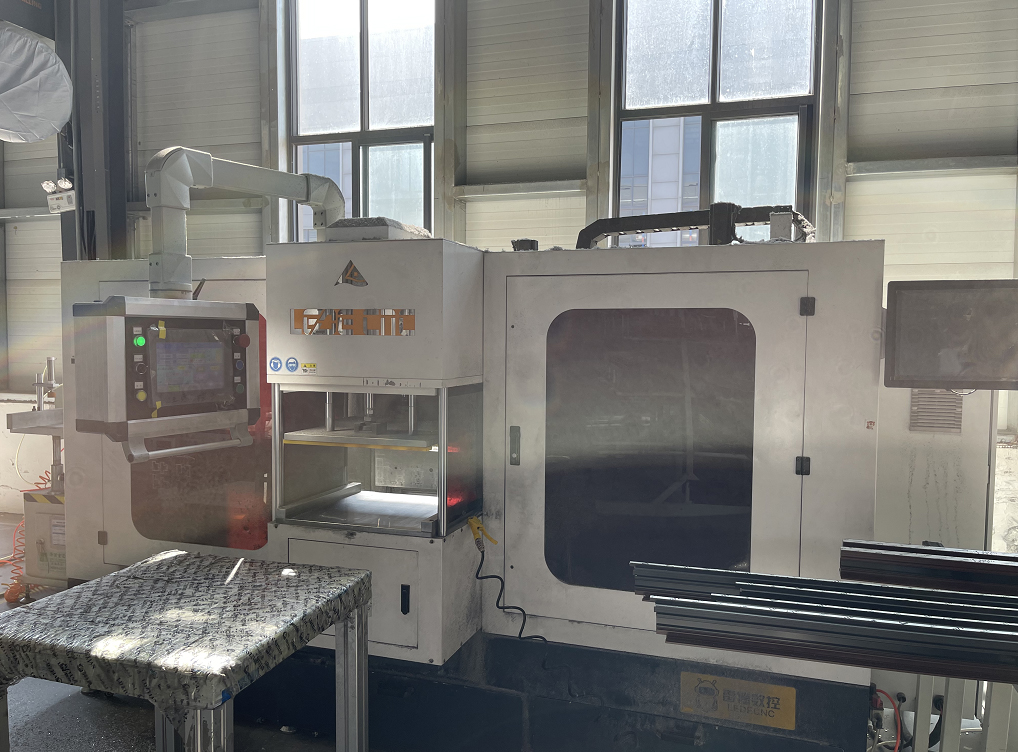
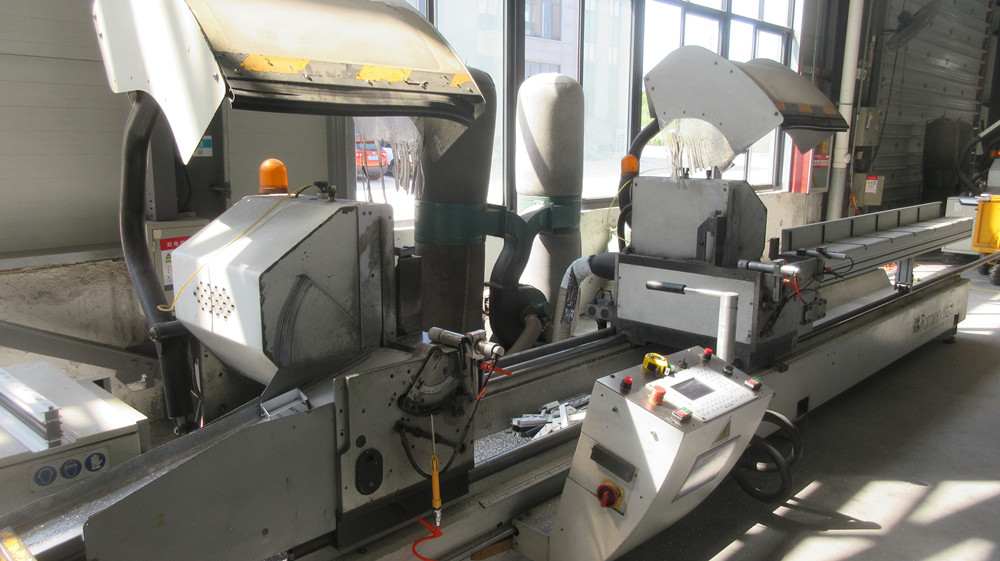
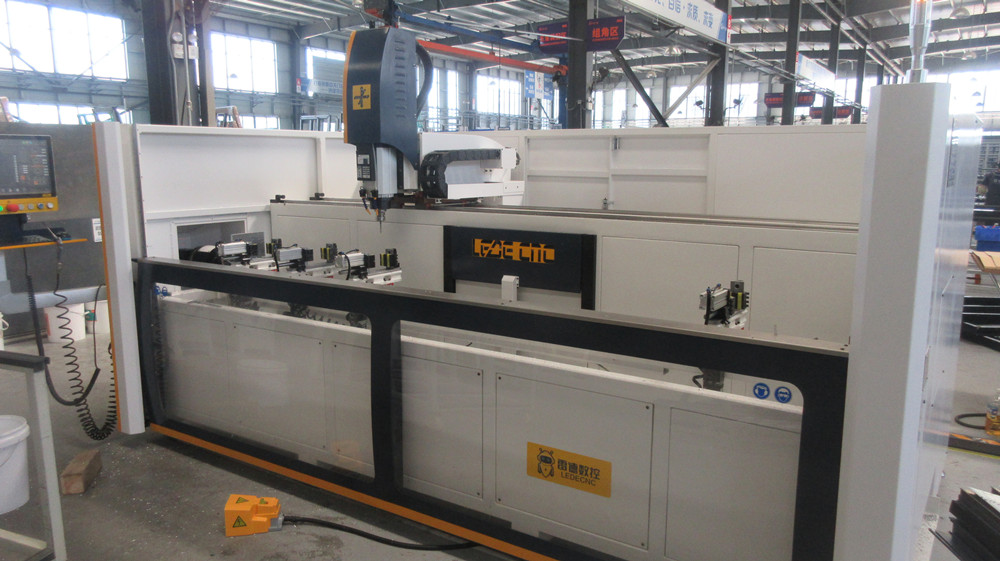
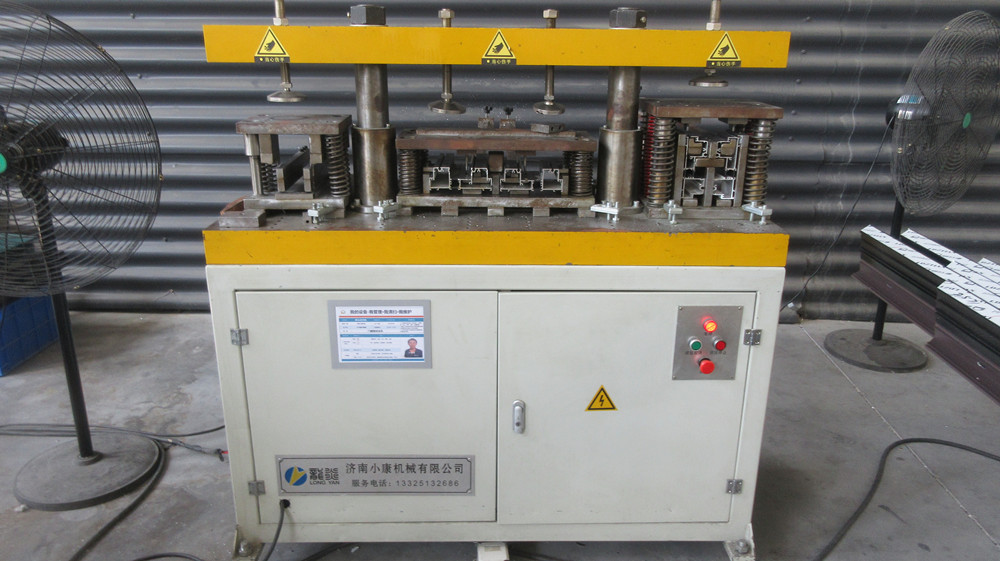
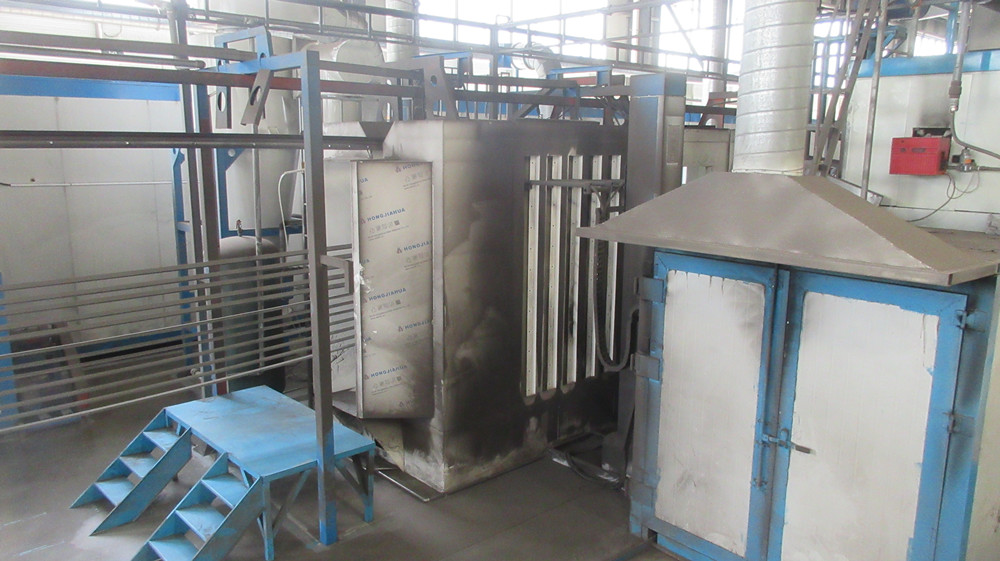
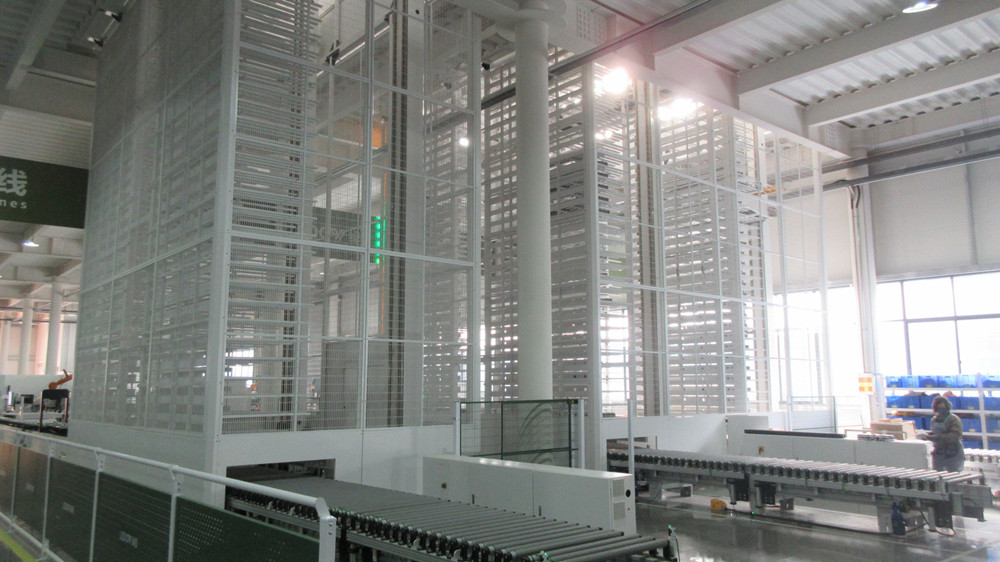
How Chinese top entry door factories engineer high-efficiency thermal barriers, airtight joinery, and structural resilience.
The primary mechanism driving high energy efficiency in modern entry doors is the isolation of interior and exterior aluminum profile chambers using low-conductivity material.
For entry doors featuring glass lights, decorative side panels, or transom windows, the glazing package governs over 60% of total building envelope thermal performance.
Energy efficiency is inextricably linked with air-tightness and water-tightness. A thermal barrier is useless if air infiltrates through frame perimeter joints or sills under wind pressure. Top Chinese factories utilize continuous triple EPDM (Ethylene Propylene Diene Monomer) gasket seals co-extruded with sponge rubber cores. Corner joints are injected with two-component structural corner adhesives and mechanical crimping keys to ensure 100% airtight joinery capable of resisting wind-driven rain pressures up to 1,000 Pa.
China's leading manufacturers customize internal core configurations, hardware, and surface treatments to match regional climate challenges.
Primary Objective: Heat Retention & Freeze-Thaw Resistance.
In extreme cold regions, thermal bridging causes interior frame frosting and moisture condensation that ruins surrounding drywalls. Chinese factories configure doors with 34mm+ ultra-wide polyamide thermal breaks, triple-glazed Low-E units filled with Krypton or Argon gas, and thermally isolated threshold sills. This maintains interior frame surface temperatures above the dew point even when external ambient temperatures drop below -30°C.
Primary Objective: Impact Strength & Corrosion Protection.
Coastal applications demand structural endurance against flying debris and salt-spray corrosion. Doors are engineered with heavy-gauge 6063-T6 aluminum, SGP (SentryGlas® Plus) laminated impact glass, stainless steel 316 multi-point locks, and fluoropolymer (PVDF) or Qualicoat Class 2/3 powder coatings that withstand 3,000+ hours of continuous salt-spray testing (ASTM B117).
Primary Objective: Solar Radiation Reflection & Thermal Stability.
High ambient heat and intense UV radiation cause standard door cores to warp and seal gaskets to degrade rapidly. Chinese factories employ ceramic-coated reflective glass lights (SHGC < 0.20), specialized anti-warping inner structural core grids, and heat-resistant silicone sealant compounds that retain elasticity under extreme temperature cycles up to 80°C.
Primary Objective: Acoustic Isolation & Smart Home Integration.
Modern luxury entry doors demand high STC acoustic ratings to block city noise alongside seamless smart access integration. Assemblies feature multi-layer acoustic laminated glass cores, heavy sound-dampening perimeter seals, and built-in conduit channels for motor-driven multi-point biometric locks, keypad access, and smart home automation protocol (Zigbee/Z-Wave/Matter) compatibility.
A methodical verification checklist for global brand distributors, developers, and commercial procurement officers.
When sourcing custom energy-efficient entry doors from China, enterprise procurement managers must evaluate suppliers using a total cost of ownership (TCO) model that goes far beyond initial unit price. The following evaluation matrix defines the benchmark qualifications of top-tier manufacturing partners:
Ensure the factory possesses validated, unexpired third-party lab test reports for your destination market:
Factory equipment directly dictates dimensional tolerances and long-term product reliability:
Leading Chinese factories, such as ShieldCraft Door Industries Co., Ltd., offer deep engineering customization including tailored architectural extrusions, custom RAL anodizing and powder coating finishes, wood-grain heat transfer sublimation, embedded LED linear threshold lights, fully concealed heavy-duty 3D adjustable hinges, and custom-designed stainless pull handles with integrated fingerprint scanners.
Direct technical answers addressing key intent queries of B2B buyers, architects, and importers.
Standard thermal break aluminum entry doors achieve U-factors between 0.24 and 0.30 BTU/h·ft²·°F (1.37–1.70 W/m²K). However, high-performance systems incorporating multi-cavity PA66 GF25 polyamide strips, polyurethane foam infill cores, and triple-pane Low-E argon glass reach ultra-low U-factors of 0.12 to 0.18 BTU/h·ft²·°F (0.68–1.02 W/m²K), meeting international Passive House standards.
Compliance is achieved by using high-tensile 6063-T6 aluminum alloys with thick wall profiles (≥2.0mm to 3.0mm), heavy-duty corner key crimping injected with structural adhesives, multi-point locking gear hardware, and SGP laminated impact glass units. Assemblies undergo rigorous air pressure cyclic loading and large missile impact testing according to TAS 201, 202, and 203 standards to secure Florida Notice of Acceptance (NOA) approvals.
For coastal applications within 3 miles of saltwater, factories apply Fluoropolymer PVDF (Kynar 500®) liquid paint coatings or high-durability architectural powder coatings certified under AAMA 2605 or Qualicoat Class 3. These finishes offer superior resistance against salt-spray corrosion, chalking, and UV fading, backed by 20 to 30-year manufacturer warranties.
Yes. Factories like ShieldCraft specialize in OEM integration of major electronic lock mechanisms (including Yale, Dormakaba, GuPas, and custom smart mortise systems). Profile mortise pockets, wire raceways, and magnetic sensor cutouts are pre-machined on precision 5-axis CNC centers prior to assembly, guaranteeing plug-and-play installation on job sites.
Standard lead times range from 25 to 35 calendar days following final shop drawing approval and color swatch sign-off. For custom extrusion die creation, add approximately 10 to 15 days. Express production runs can be scheduled for urgent commercial project milestones.
Doors are protected using a 5-layer export packaging protocol: 1) Protective anti-scratch film on frame surfaces, 2) Shock-absorbing foam corner guards, 3) Bubble wrap wrap-around layer, 4) Heavy-duty corrugated cardboard casing, and 5) Fumigated solid wooden crates or steel-framed A-frame stills for container loading.
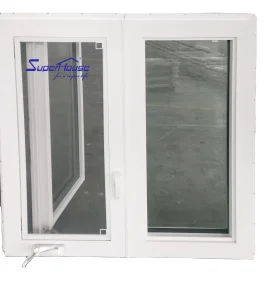
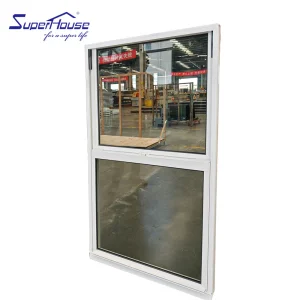
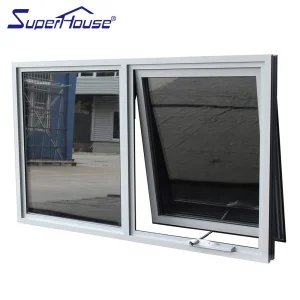
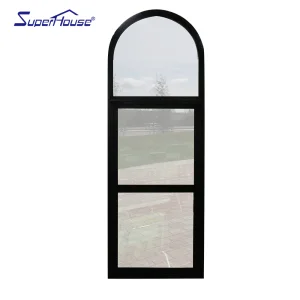
Discover our wider selection of UPVC, thermal break aluminum casement, tilt & turn, and stacker door solutions.
 ShieldCraft Doors