Explore our export-grade aluminum entry doors and facade elements customized for commercial, residential, and industrial deployments worldwide.
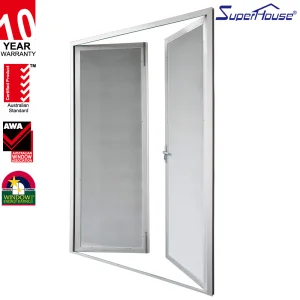
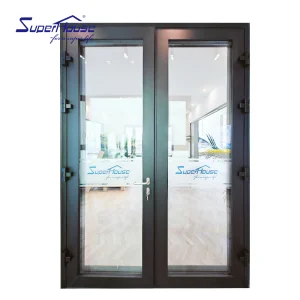
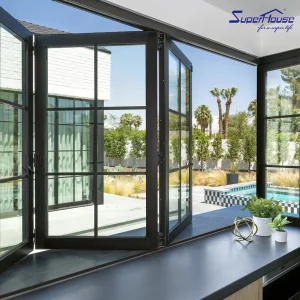
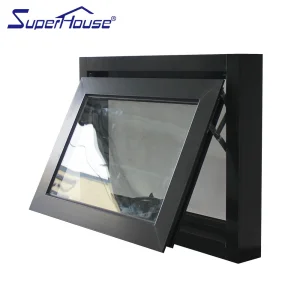
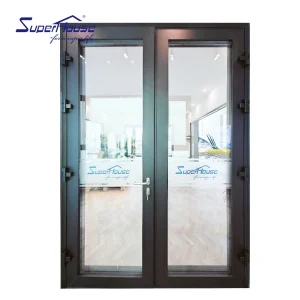
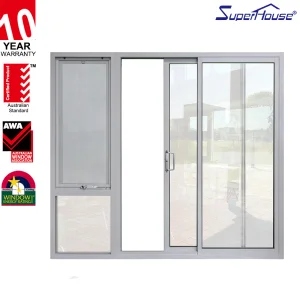
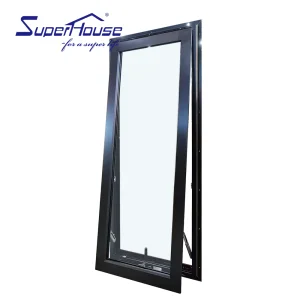
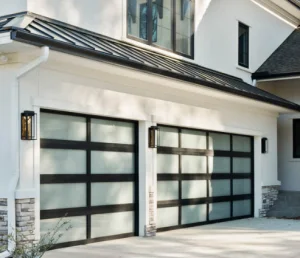
Analyzing structural transitions, environmental regulatory shifts, and technical advancements in luxury residential and commercial real estate entrances.
The global construction industry is undergoing a structural paradigm shift in entrance door specification. Modern architectural designs increasingly prioritize ultra-wide sightlines, structural resilience, thermal efficiency, and low maintenance. Consequently, high-tensile 6063-T6 aluminum alloy entry door systems have largely supplanted traditional timber, solid steel, and unreinforced uPVC doors across high-end commercial projects, mixed-use towers, and luxury residential estates.
According to structural engineering standards and international building codes, entry door assemblies act as the primary defense barrier against environmental loads and physical intrusion. Modern aluminum entry doors are no longer simple architectural barriers; they are highly complex engineered assemblies integrating thermal isolation channels, multi-point perimeter locks, acoustic dampening cores, and smart biometric access technologies.
High tensile strength to weight ratio allowing massive glass spans, large pivot doors up to 3000mm in height, and high wind-load resistance exceeding 5000 Pa.
Integration of polyamide PA66 GF25 thermal barrier strips separating outer and inner aluminum profiles, reducing U-factors down to 0.18 BTU/h·ft²·°F.
Engineered for coastal zones subject to hurricane threats, meeting Miami-Dade NOA, Florida Building Code (FBC), and ASTM E1886/E1996 missile impact specifications.
Furthermore, stringent energy consumption mandates—such as North America's NFRC (National Fenestration Rating Council) ratings, California's Title 24, and Europe's EN 14351-1 standards—require architectural entry doors to maintain exceptional thermal isolation. Dual and triple-sealed insulated glass units (IGU) featuring Low-E coatings, argon gas fills, and warm-edge spacers are now essential requirements for OEM manufacturing contracts.
How concentrated supply chain clusters, robotics automation, and material science offer unparalleled cost-performance ratios to global importers.
The global dominance of Chinese factory hubs in the architectural aluminum window and door sector stems from deep vertical integration. Unlike regional manufacturers who source components from fragmented third-party suppliers, Chinese manufacturing clusters combine raw aluminum billet extrusion, chemical anodizing, PVDF fluorocarbon spraying, insulating glass fabrication, hardware casting, and robotic assembly within immediate geographical proximity.
Direct manufacturer capabilities, engineering capacity, quality assurance framework, and global logistics metrics.
Founded in 2014, ShieldCraft Door Industries Co., Ltd. combines 12 years of industry experience with 4 years of rapid international export growth. Operating from a massive 50,000 sq ft industrial park, we generate over $45 million in annual export sales. Supported by strong international trade capabilities and over 1,800 supply chain partners, we supply leading Home Improvement Chains, Commercial Builders, and Brand Wholesalers across Eastern Europe, Central Asia, and North America.
Quality is safeguarded by 95 QC technicians conducting automated optical inspections, impact endurance tests, and multi-point lock alignment checks. With top-tier R&D strength, our team of 210 skilled engineers developed over 600 new models last year, offering full customization options including smart entry system integration, custom RAL colors, and specialized thermal insulation cores.
End-to-end production workflow utilizing intelligent machinery to maintain zero-defect tolerances and structural excellence.
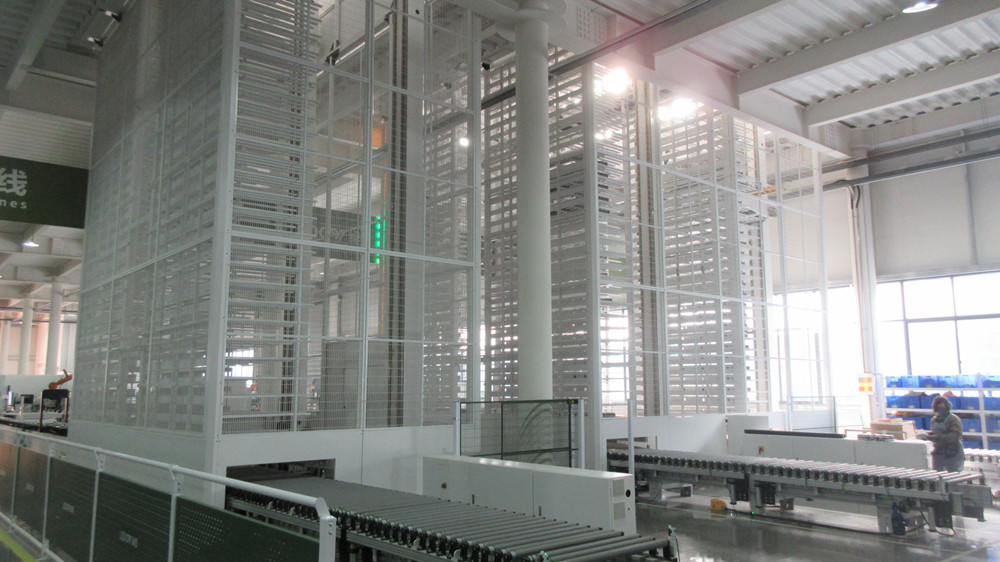 Storage
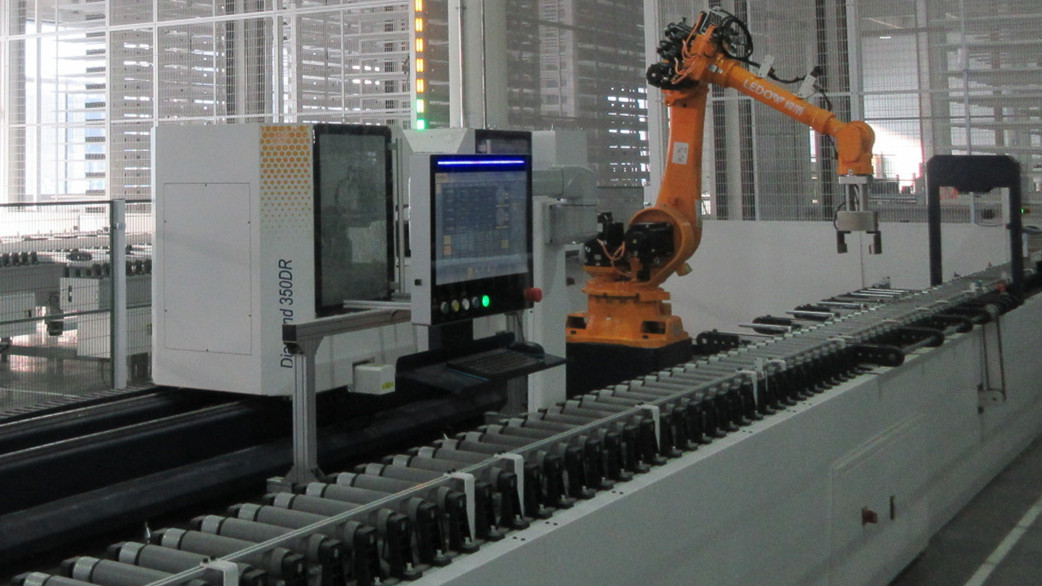 Cutting
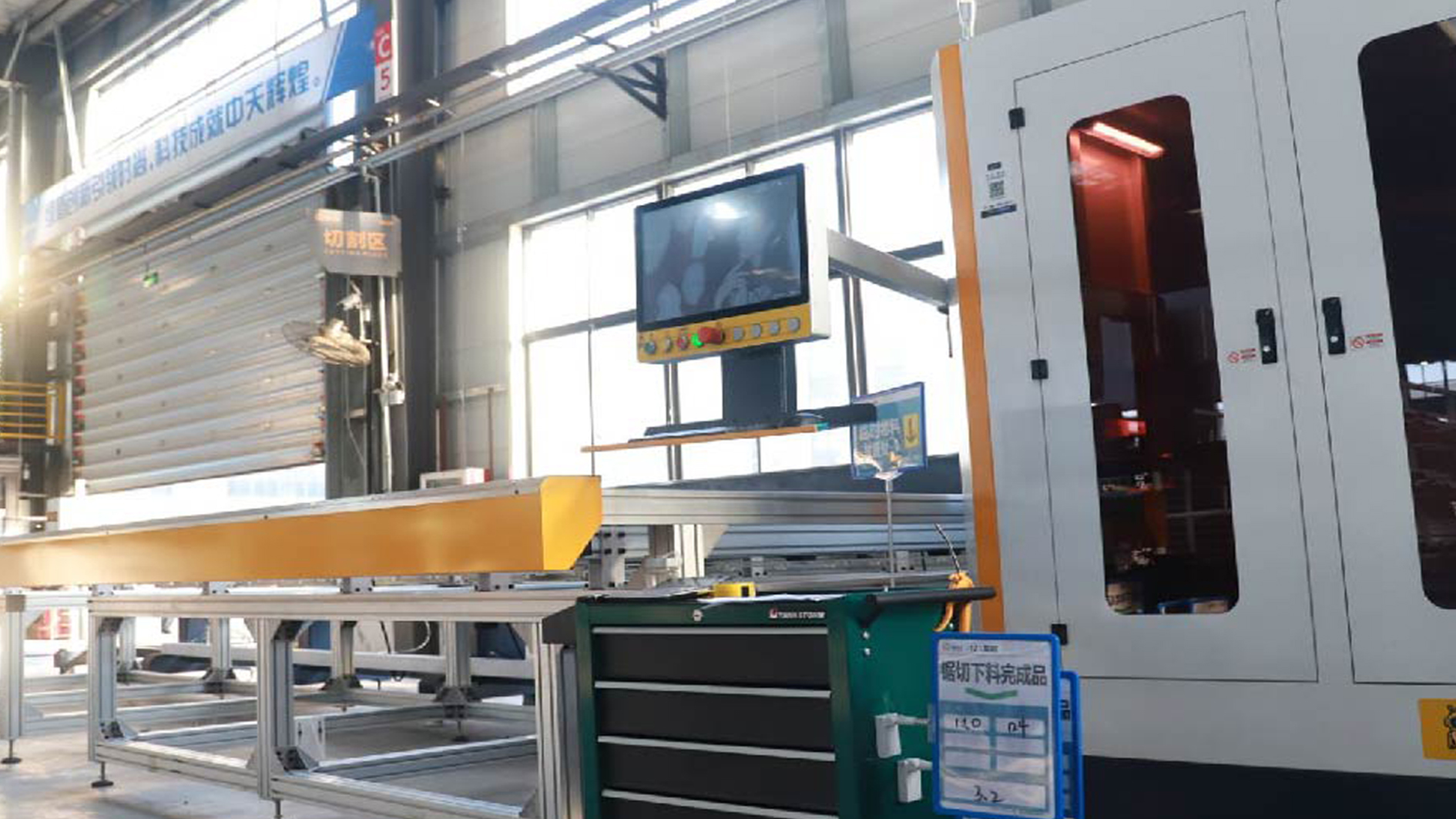 Drilling
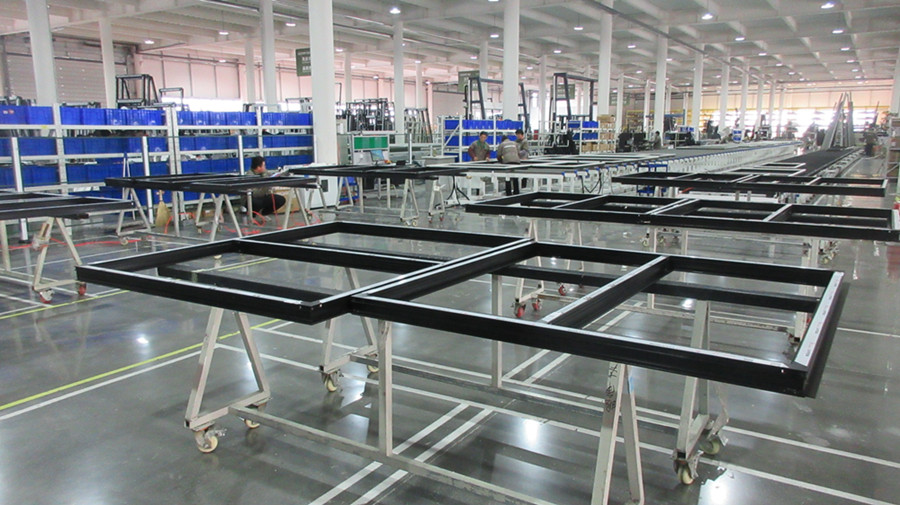 Assembling
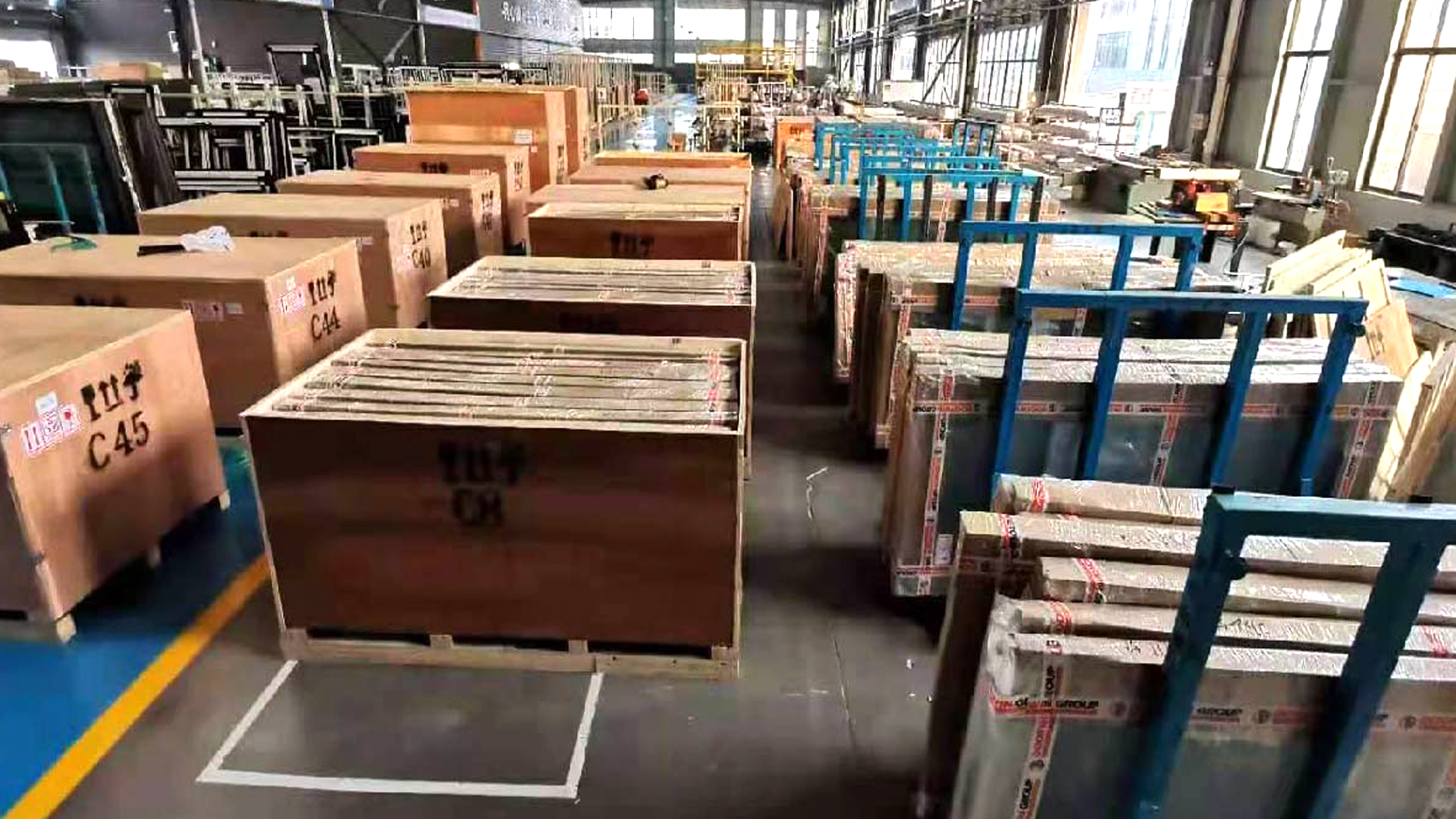 Packaging
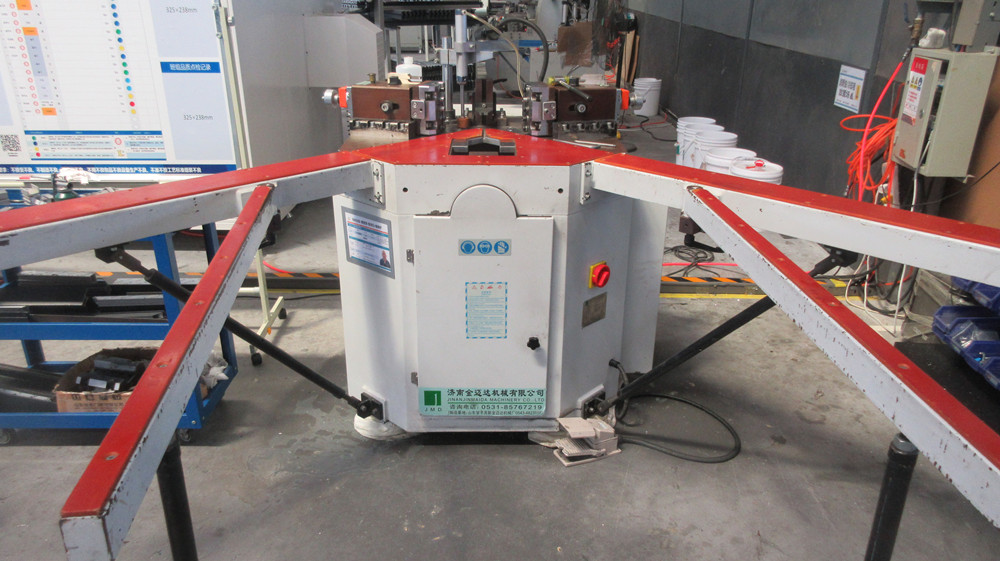 Angle Setting Machine
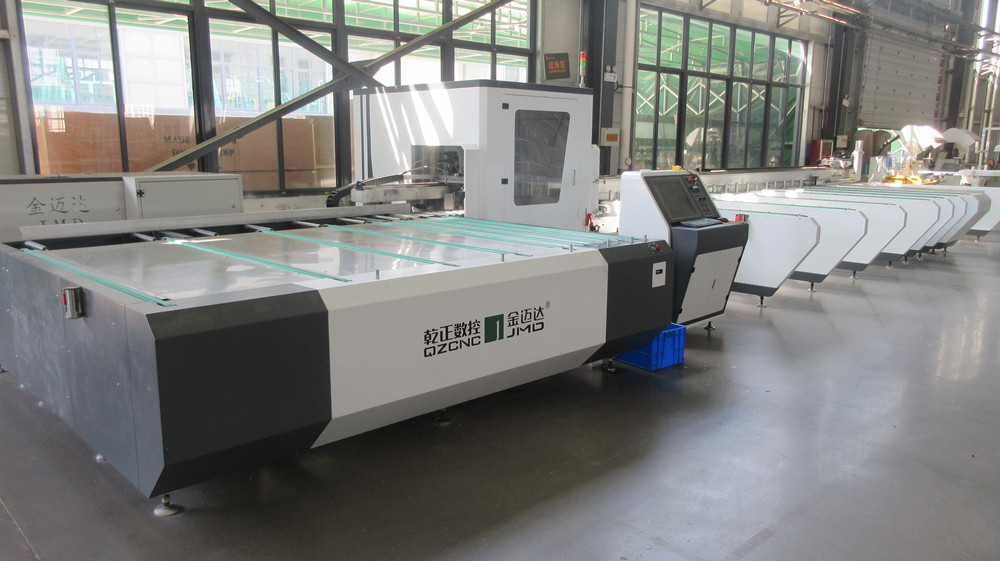 CNC Cutting Machine
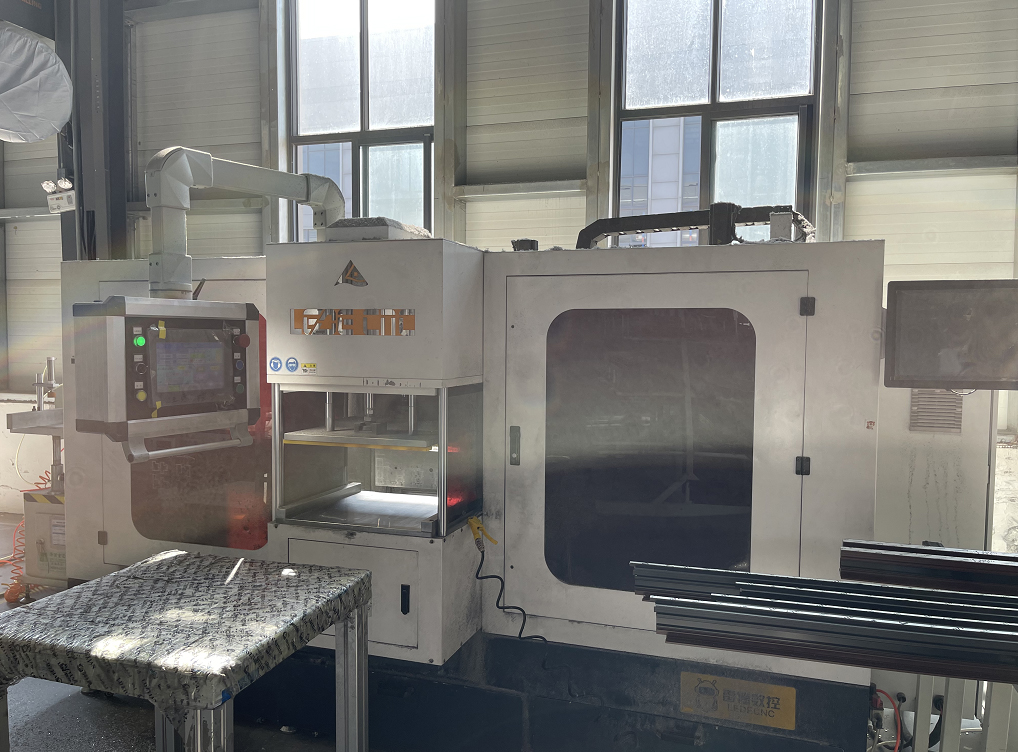 CNC Drilling Machine
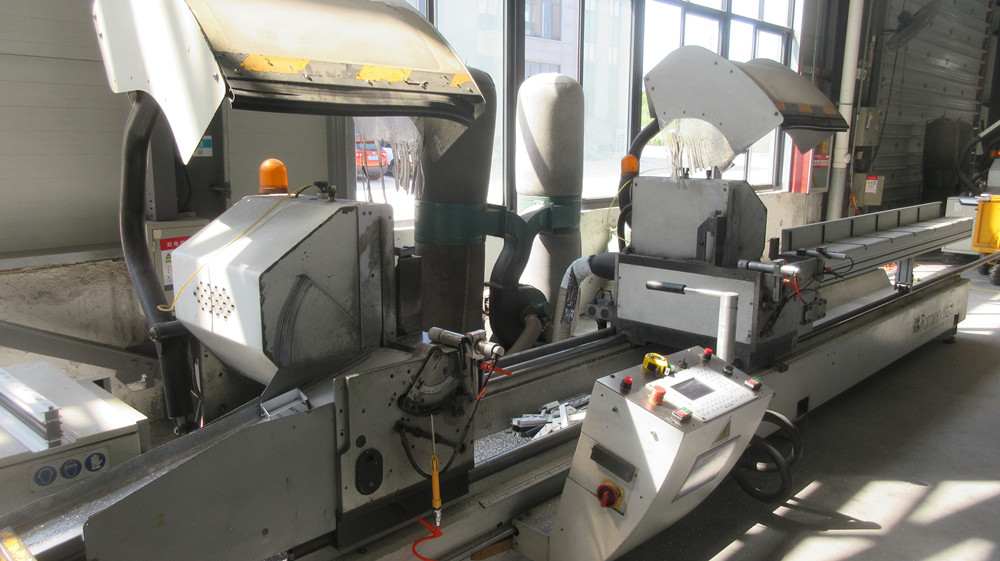 Cutting Machine
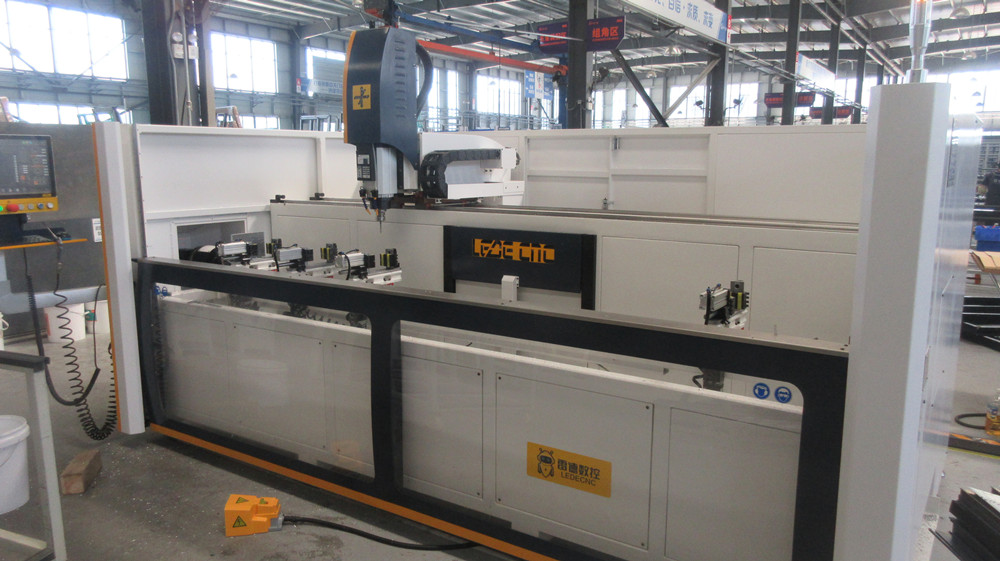 Machining Center
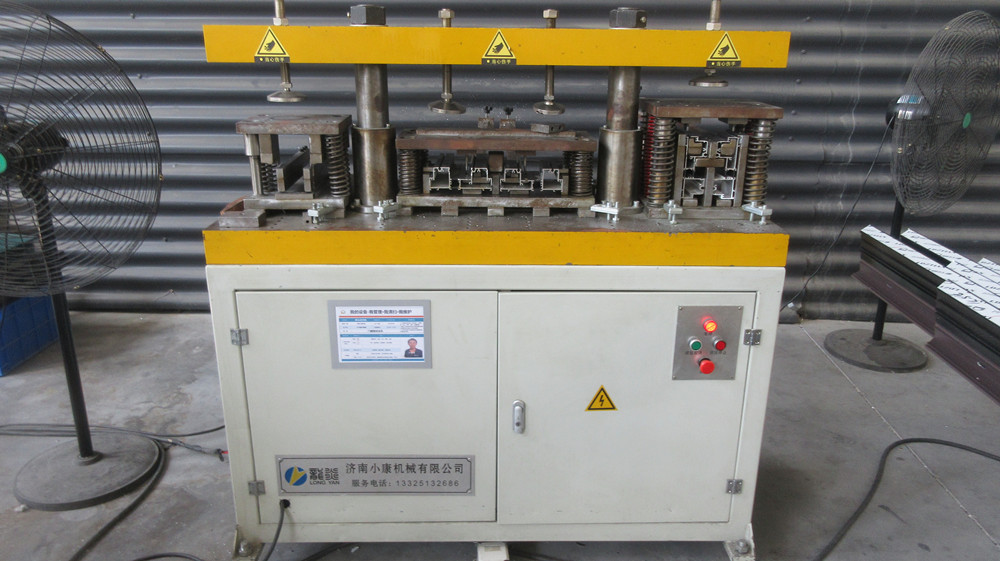 Multi head press
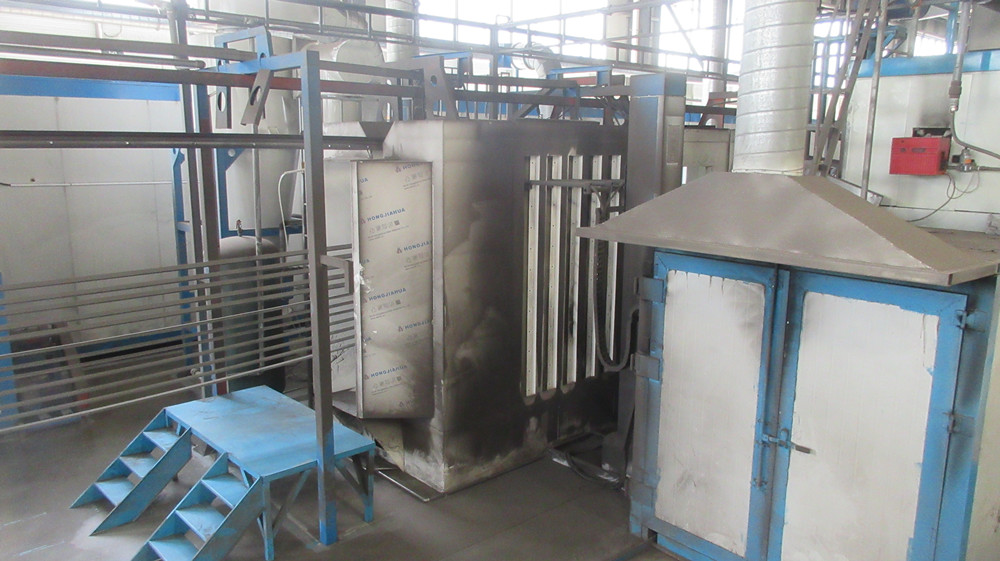 Painting Line
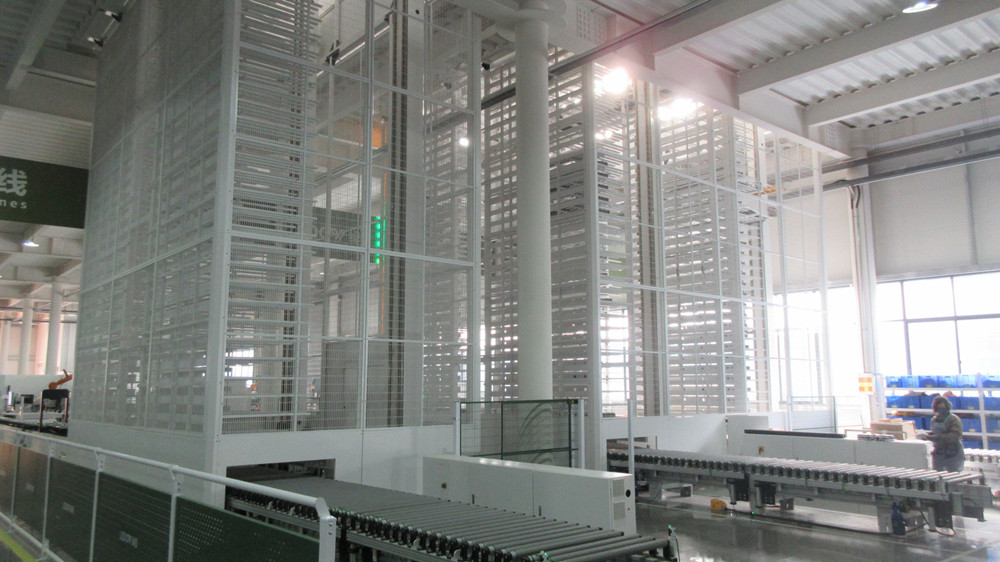 Aluminum Alloy Intelligent Production Line
Technical performance evaluation under international structural, thermal, and acoustic testing protocols.
Architectural entry door systems produced for global projects undergo extensive finite element analysis (FEA) and laboratory testing to ensure long-term durability across diverse climate zones. Below is the standard baseline engineering parameters of our premium OEM modern aluminum entry door series:
| Performance Indicator | Testing Protocol / Standard | Achieved Rating / Parameter |
|---|---|---|
| Structural Wind Load Resistance | ASTM E330 / EN 12210 | Design Pressure up to ±5000 Pa (Class E5000) |
| Air Infiltration Rating | ASTM E283 / EN 12207 | < 0.1 ft³/min per sq ft (Class 4 Air Tightness) |
| Water Penetration Resistance | ASTM E547 / EN 12208 | Static Water Pressure 750 Pa (Class 9A Watertightness) |
| Thermal Insulation (U-Factor) | NFRC 100 / EN ISO 10077-2 | U-Factor 0.18 - 0.28 BTU/h·ft²·°F (PA66 Thermal Break) |
| Acoustic Attenuation (STC) | ASTM E90 / ISO 140-3 | STC 38 - STC 45 (Triple Sealed IGU with Laminated Glass) |
| Impact Certification | Miami-Dade NOA / ASTM E1886/E1996 | Large Missile Impact Level D (9-lb 2x4 lumber at 50 ft/s) |
| Surface Coating Salt Spray Test | AAMA 2605 / ASTM B117 | 3,000 Hours Continuous Exposure (PVDF Coating) |
Tailoring entrance door specifications to meet localized building codes, climate extremities, and regional aesthetics.
Projects along the U.S. East Coast, Florida, and the Caribbean demand severe weather authorization. Doors are customized with heavy-duty extrusion wall thicknesses (up to 3.0mm), continuous heavy-duty stainless steel hinges, ultra-clear low-iron laminated safety glass, and Miami-Dade NOA approved locking hardware to withstand hurricane-force wind loads and flying debris.
In regions facing intense solar radiation and ambient temperatures exceeding 50°C, entry doors feature wide polyamide PA66 thermal barrier strips, sun-reflective Low-E coatings (Low SHGC < 0.22), and PVDF fluorocarbon coatings designed to resist color degradation and micro-cracking caused by extreme ultraviolet exposure.
Focus shifts toward maximum thermal retention and snow-load resistance. Custom designs incorporate triple-pane insulated glass assemblies filled with 90% Argon gas, warm-edge TGI spacers, and continuous EPDM multi-seal weatherstripping to eliminate thermal bridging and prevent interior condensation down to -30°C.
Architects specifying entrances for luxury villas and boutique hotels demand oversized pivot doors and flush-fit double French entrance doors. Integrated features include hidden hydraulic floor pivots, smart keyless access (facial recognition, fingerprint, keypad, IoT integration), and invisible LED perimeter highlight lighting.
Analyzing industry breakthroughs that will define next-generation architectural entrance systems over the next decade.
The entrance door sector is undergoing rapid technological convergence, blending mechanical engineering, material chemistry, and smart electronics:
A systematic operational roadmap for importers, commercial contractors, and brand distributors purchasing custom aluminum entry doors from Chinese factories.
Submission of CAD/BIM drawings, wind load calculations, thermal performance specifications, and hardware selection.
Fabrication of physical sample units for air-water-structural laboratory testing, lock cycle testing, and customer sign-off.
Extrusion cutting, multi-axis CNC drilling, thermal break assembly, surface painting, glass unit sealing, and quality checks.
Protective film application, corner guards, fully enclosed wooden crate packaging, container loading, and global shipping logistics.
Expert insights into common engineering inquiries, compliance certifications, customization options, and factory capabilities.
Aluminum 6063-T6 offers a superior strength-to-weight ratio, preventing warping, rotting, or expanding under changing weather conditions. Unlike steel, high-grade treated aluminum will not rust or corrode, even in coastal marine environments. Additionally, precise extrusion techniques allow for sleek, ultra-slim sightlines and seamless integration of thermal break technology.
A thermal break consists of a continuous structural polyamide strip (such as PA66 reinforced with 25% glass fiber) placed between the interior and exterior aluminum profiles. Because aluminum is a conductive metal, the polyamide barrier stops heat transmission, significantly improving energy efficiency, eliminating internal thermal conduction, and stopping glass condensation in freezing climates.
Yes. ShieldCraft manufactures specialized hurricane impact-rated entry door series that comply with Florida Building Code (FBC) and Miami-Dade NOA standards. These doors utilize reinforced structural extrusion profiles, multi-point heavy-duty locking systems, and PVB/SGP laminated safety glass engineered to withstand severe wind pressure and high-velocity missile impacts.
We provide full customization including profile thickness, door sash dimensions up to giant pivot sizes, full spectrum RAL color powder coating, PVDF finishes, wood-grain heat transfers, smart lock system integration (biometric, keyless, smart phone access), glass types (Low-E, double/triple glazed, frosted, bulletproof), and hardware configurations.
ShieldCraft employs 95 dedicated QC technicians conducting multi-stage quality checks: raw profile chemical composition checks, automated optical dimension inspections, powder coating thickness and cross-hatch adhesion testing, air-water pressure chamber testing, and 100% pre-shipment assembly dry runs.
Standard OEM production lead time is 20 to 30 days after shop drawing approval and deposit receipt. For complex custom structural profiles or specialized custom hardware, prototyping takes approximately 10 to 15 days prior to mass production runs.
Each door sash and frame is wrapped in scratch-resistant protective film, fitted with heavy-duty corner guards, sealed in moisture-barrier plastic wrap, and encased inside fully enclosed plywood crates. This ensures maximum protection against moisture, vibration, and handling damage during long-distance maritime transport.
Yes. Our engineering team routinely integrates smart access solutions, including hidden motorized multi-point locks, biometric fingerprint scanners, keypad systems, facial recognition cameras, and home automation control units (compatible with Zigbee, Z-Wave, or WiFi protocols) directly into the door sash during production.
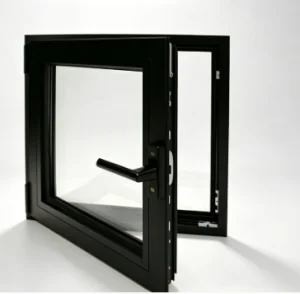
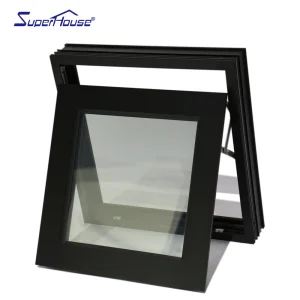
Select from our comprehensive portfolio of NFRC certified casement windows, hurricane awning systems, double French doors, and thermal break sliding doors.
 ShieldCraft Doors