Explore our NFRC-rated, AS2047-certified, and Miami-Dade NOA-compliant reinforced aluminum frame solutions engineered for extreme structural endurance.
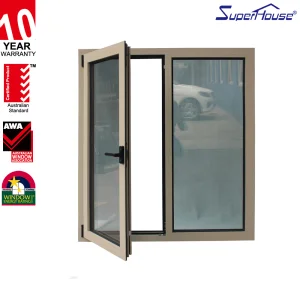
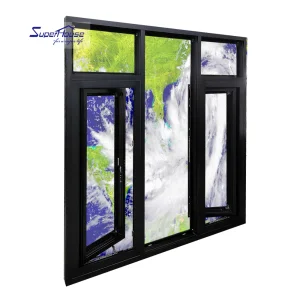
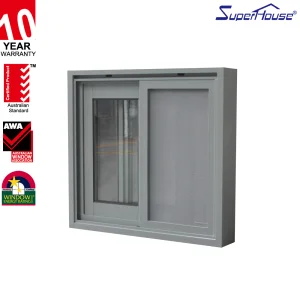
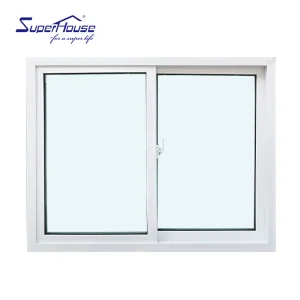
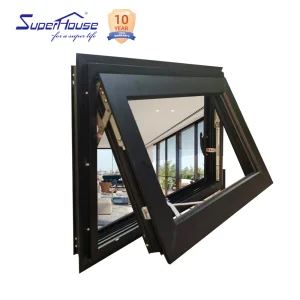
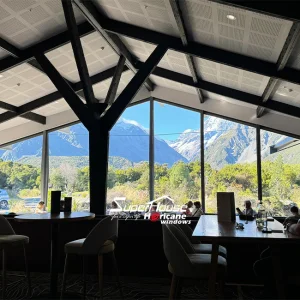
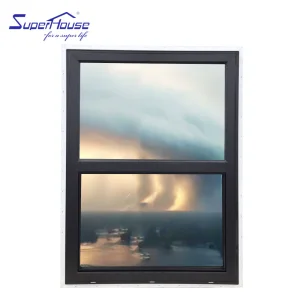
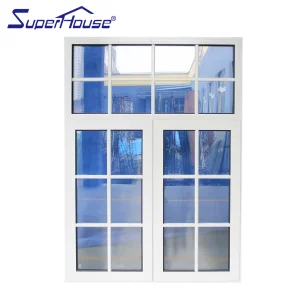
Modern architectural engineering demands structural envelope materials capable of withstanding extreme cyclic wind fatigue, structural deflection, thermal migration, and shear stresses. Standard aluminum door extrusions often fail under severe environmental loading due to structural yielding or thermal bridge deformation. As a leading OEM/ODM Reinforced Aluminum Door Frame Supplier & Exporter, ShieldCraft Door Industries Co., Ltd. addresses these micro-structural vulnerabilities by leveraging advanced 6063-T6 and 6061-T6 aluminum-magnesium-silicon alloy formulations.
The structural advantage of reinforced aluminum door frames over conventional unreinforced frames lies in the integrated wall thickness variations, internal webbing geometry, and specialized steel/carbon-composite core reinforcements. Finite Element Analysis (FEA) models indicate that strategically placing internal stiffeners within the primary aluminum extrusion chambers increases the moment of inertia ($I_x$) by up to 340%, effectively neutralizing torsional strain under high wind-load conditions exceeding 9,000 Pascals (Pa).
Furthermore, structural thermal isolation is accomplished using 25% glass-fiber reinforced Polyamide (PA66-GF25) thermal break strips. These non-conductive barriers physically separate the exterior and interior extruded aluminum profiles, breaking the continuous thermal path. This process reduces profile U-factors down to $1.2 \text{ W/m}^2\text{K}$, eliminating condensation risk in frigid climates and radically decreasing HVAC operational requirements in high-solar-radiation zones.
The global demand for high-performance architectural door frames is undergoing a systemic transition driven by stringent energy efficiency directives, rising severe weather phenomena, and urban expansion. Across North America, Europe, Central Asia, and the Middle East, structural building codes have evolved from recommendations to non-negotiable statutory standards.
In regions such as Florida, Texas, and the Caribbean basin, fenestration products must adhere to stringent High-Velocity Hurricane Zone (HVHZ) requirements. Compliance with Miami-Dade Notice of Acceptance (NOA) and NFRC (National Fenestration Rating Council) certifications requires door frames to maintain structural bond under continuous Cyclic Wind Pressure Testing (+/- 100 PSF) and Large Missile Impact tests (9-lb 2x4 timber fired at 50 ft/s).
The European construction ecosystem mandates compliance with Eurocode 9 (BS EN 1999) for aluminum structural design, alongside strict CE mark insulation metrics. Thermal break precision, circular economy recyclability, and low embedded carbon footprints represent key procurement metrics for institutional real estate developers across Western and Eastern Europe.
Projects across Central Asia experience continental thermal swings ranging from -35°C in winter to +45°C in summer. Metal frame profiles must withstand thermal expansion and contraction cycles without compromising structural seals, corner joint shear strength, or air/water tightness ratings (ASTM E283 / ASTM E331).
Founded in 2014, ShieldCraft Door Industries Co., Ltd. combines 12 years of industry experience with 4 years of rapid international export growth. Operating from a massive 50,000 sq ft industrial park, we generate over $45 million in annual export sales. Supported by strong international trade capabilities and over 1,800 supply chain partners, we supply leading Home Improvement Chains, Commercial Builders, and Brand Wholesalers across Eastern Europe, Central Asia, and North America. Quality is safeguarded by 95 QC technicians conducting automated optical inspections, impact endurance tests, and multi-point lock alignment checks. With top-tier R&D strength, our team of 210 skilled engineers developed over 600 new models last year, offering full customization options including smart entry system integration, custom RAL colors, and specialized thermal insulation cores.
| Operational Metric | ShieldCraft Infrastructure Specification | Industry Standard Benchmark |
|---|---|---|
| Industrial Footprint | 50,000 Sq. Ft. Integrated Facility | 15,000 - 25,000 Sq. Ft. Average |
| Annual Export Volume | USD $45 Million+ Global Distribution | USD $5 - $10 Million Average |
| Supply Chain Integration | 1,800+ Certified Tier-1 Partners | Fragmented Local Sourcing |
| Engineering R&D Team | 210 Dedicated Structural & CAD Engineers | 10 - 25 Engineers |
| Quality Control Protocol | 95 Techs + AOI (Automated Optical Inspection) | Manual Spot Checking |
| Annual Model R&D Yield | 600+ Fully Certified New Profiles/Year | 20 - 50 Profiles/Year |
Our intelligent production matrix integrates 5-axis CNC machining centers, automated corner-crimping units, and electrostatic powder coating lines to maintain structural tolerances within ±0.05mm across all profile runs.
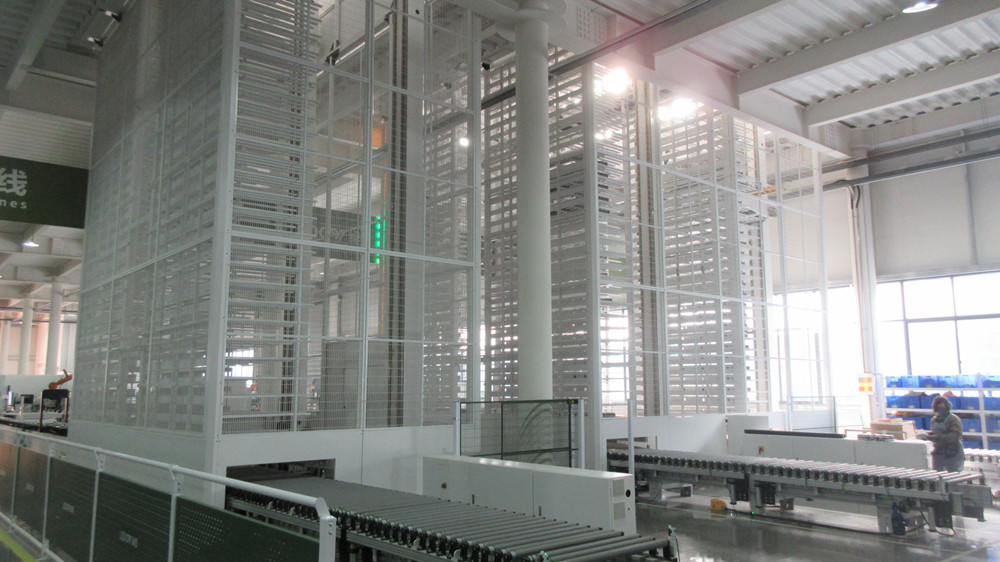
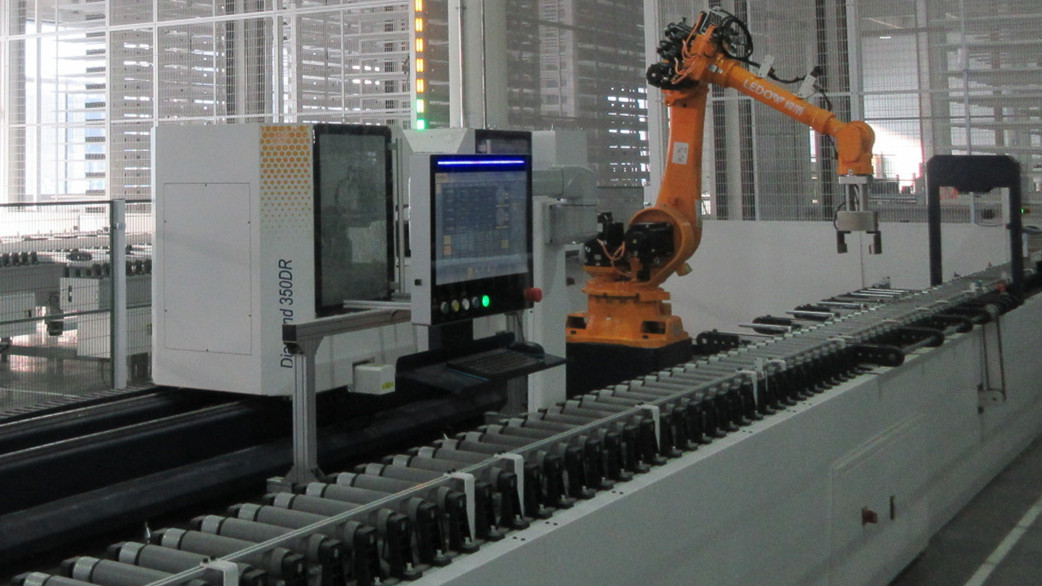
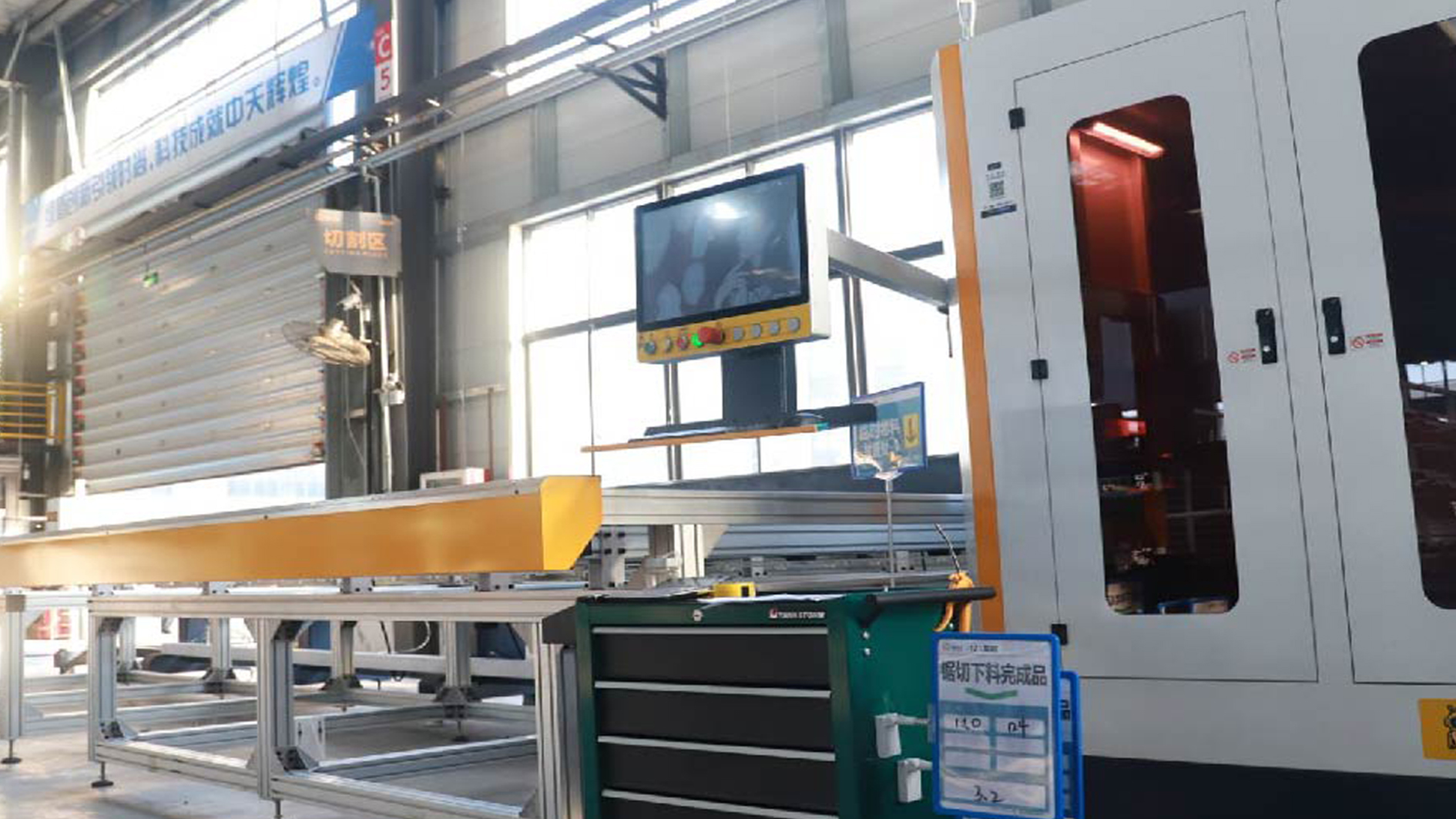
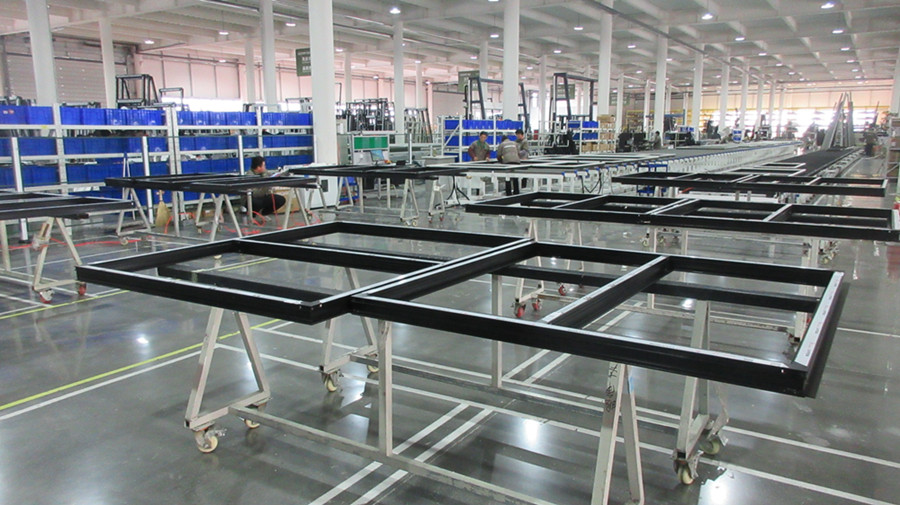
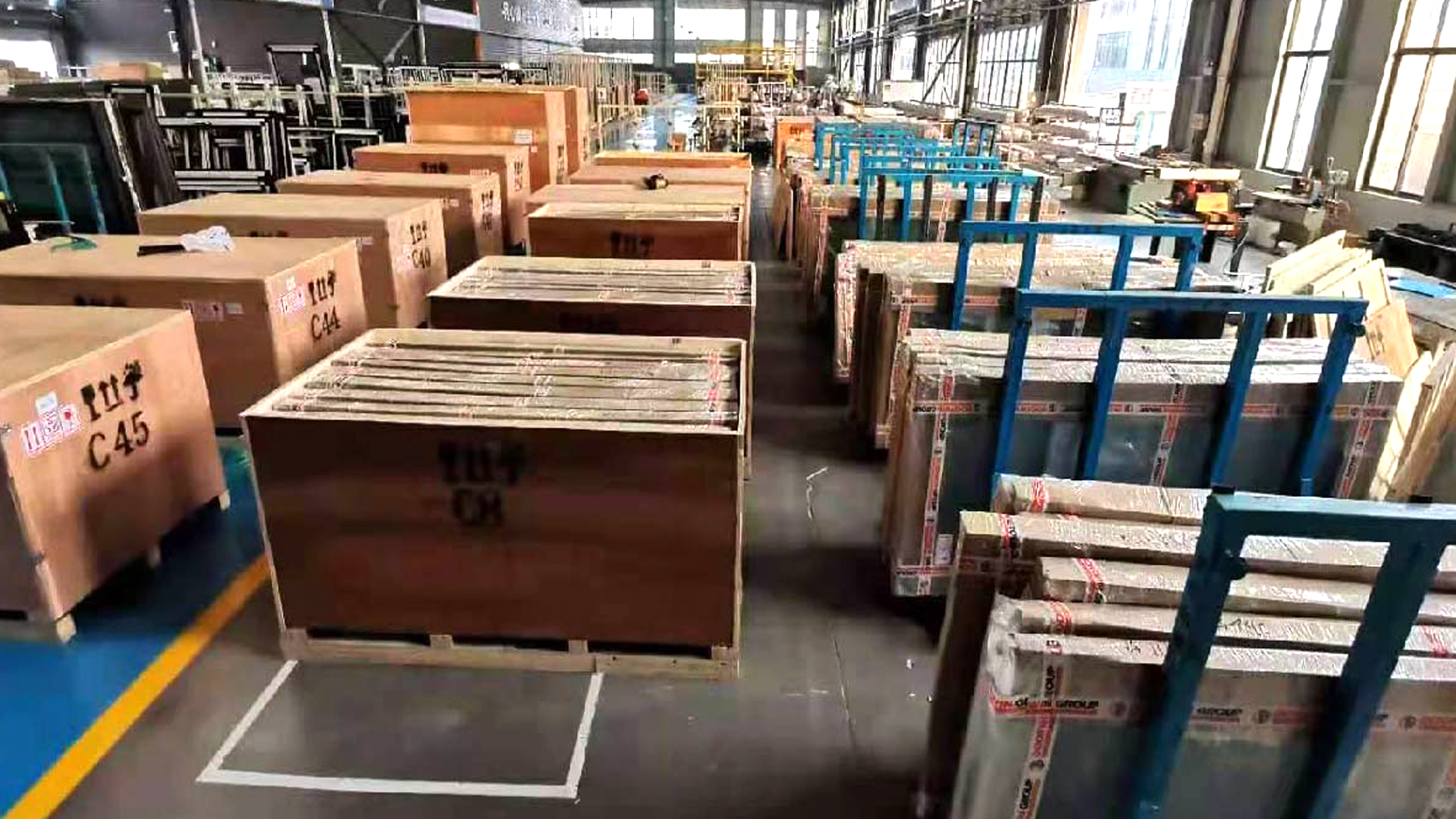
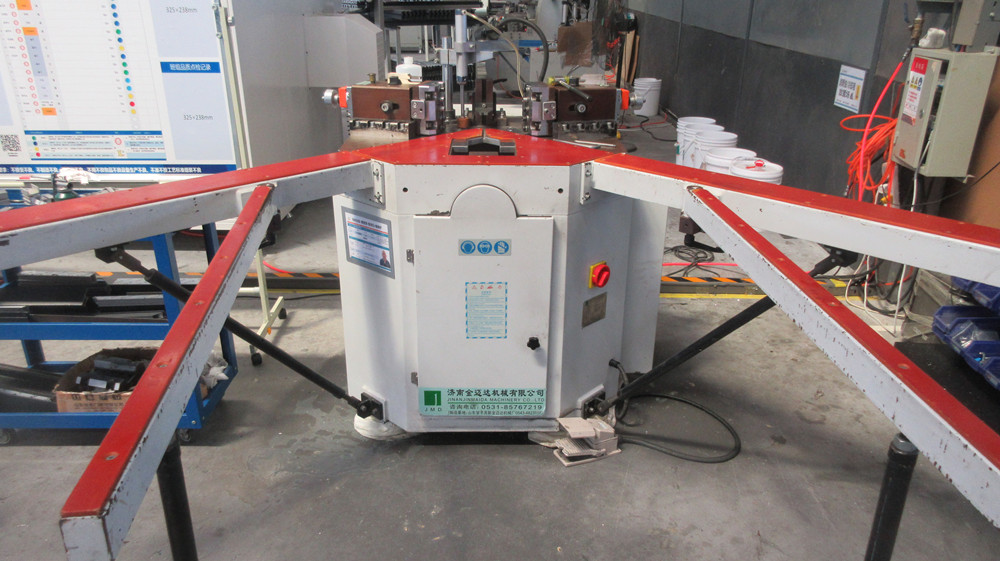
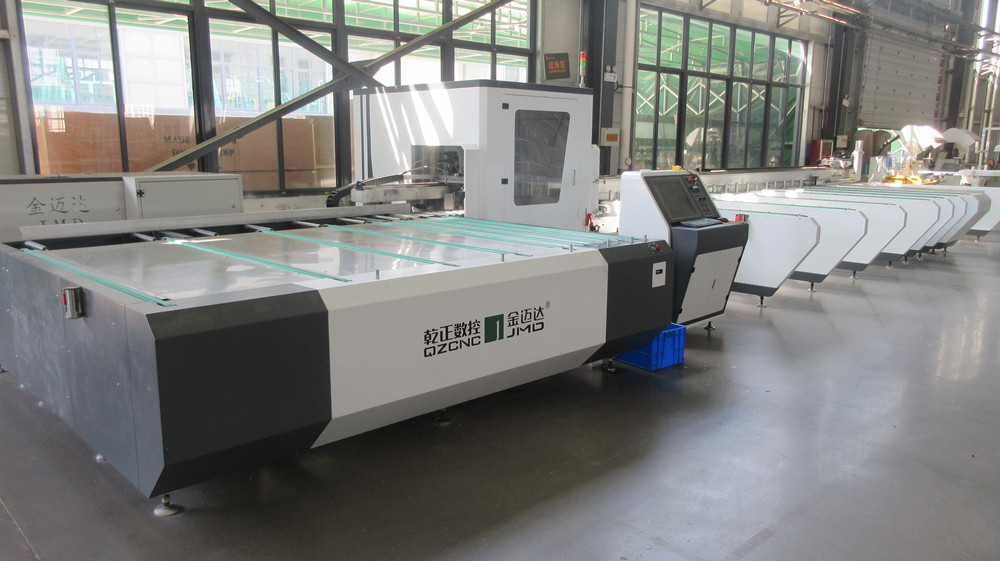
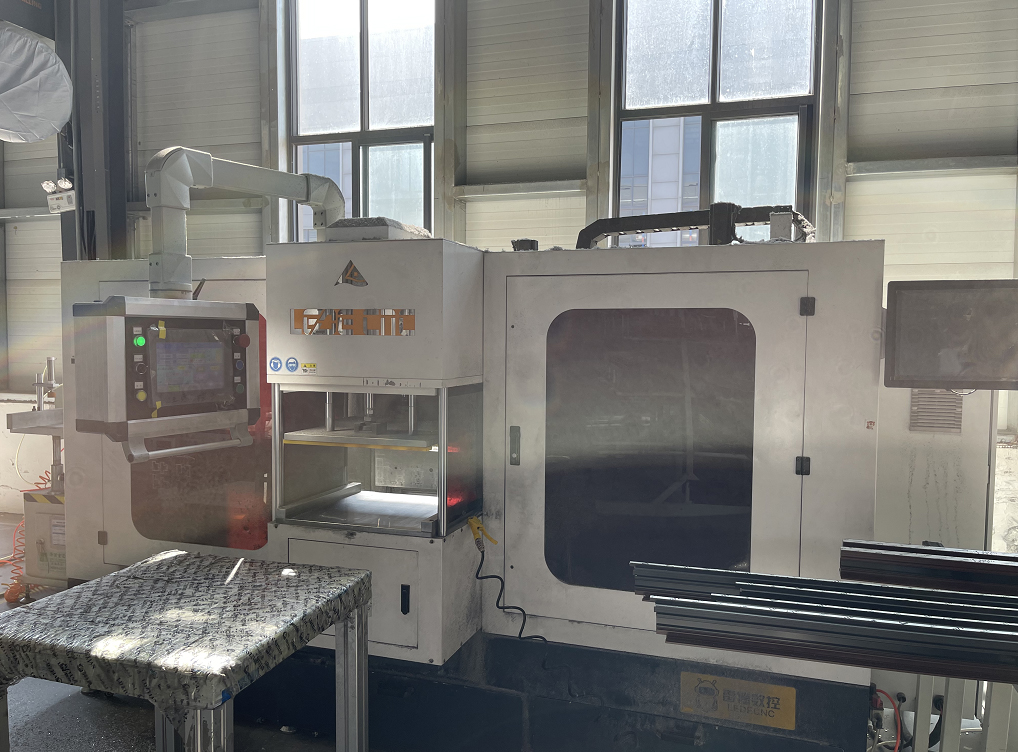
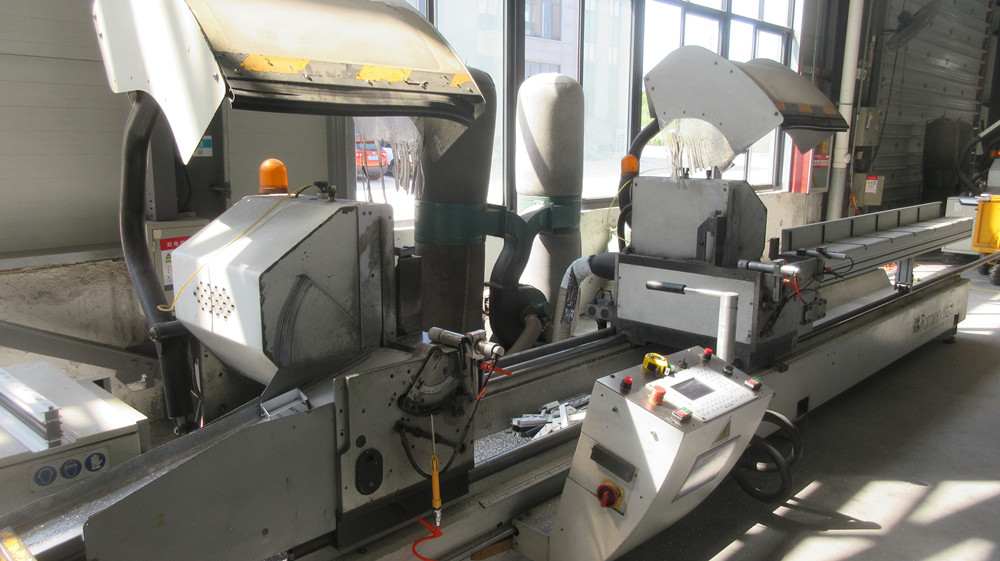
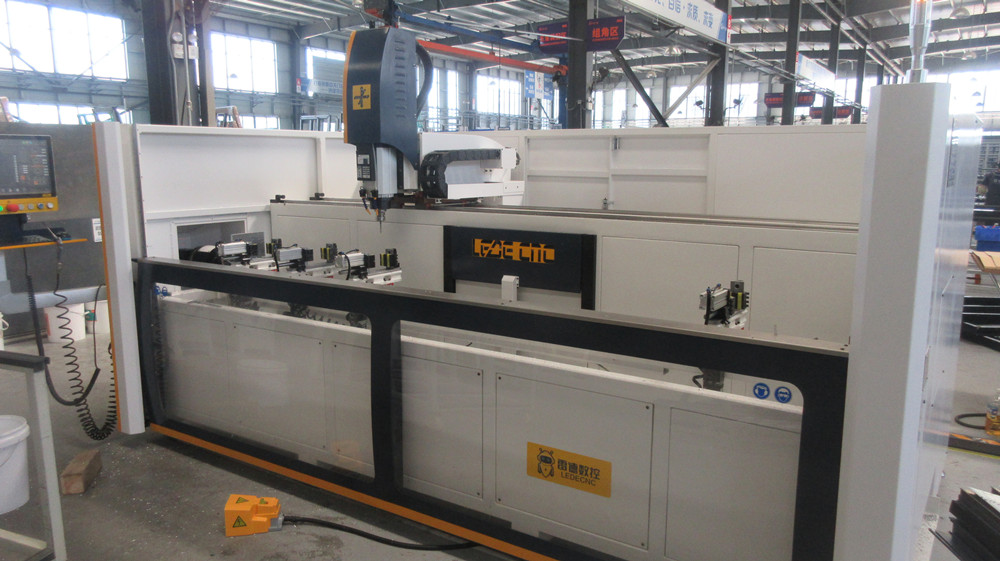
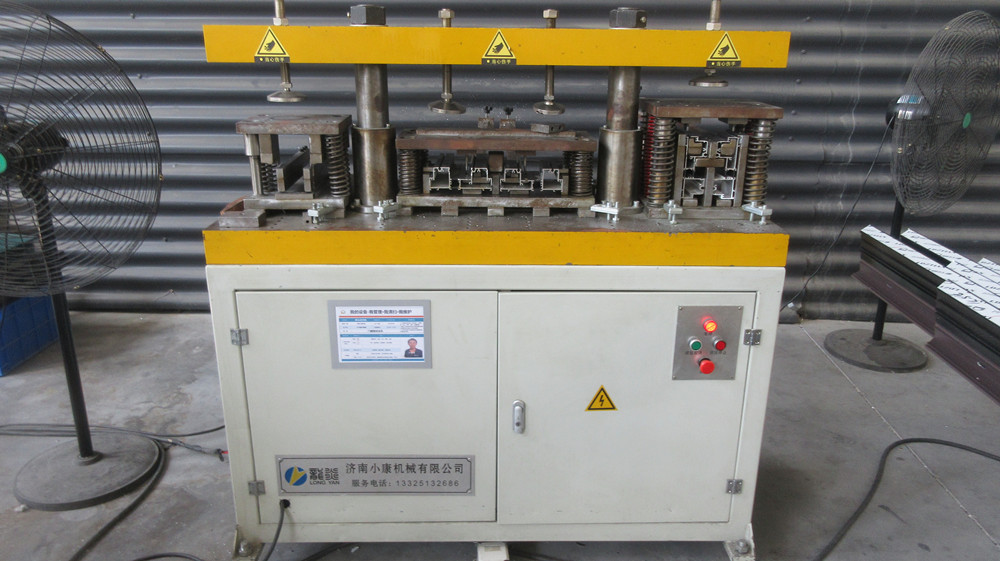
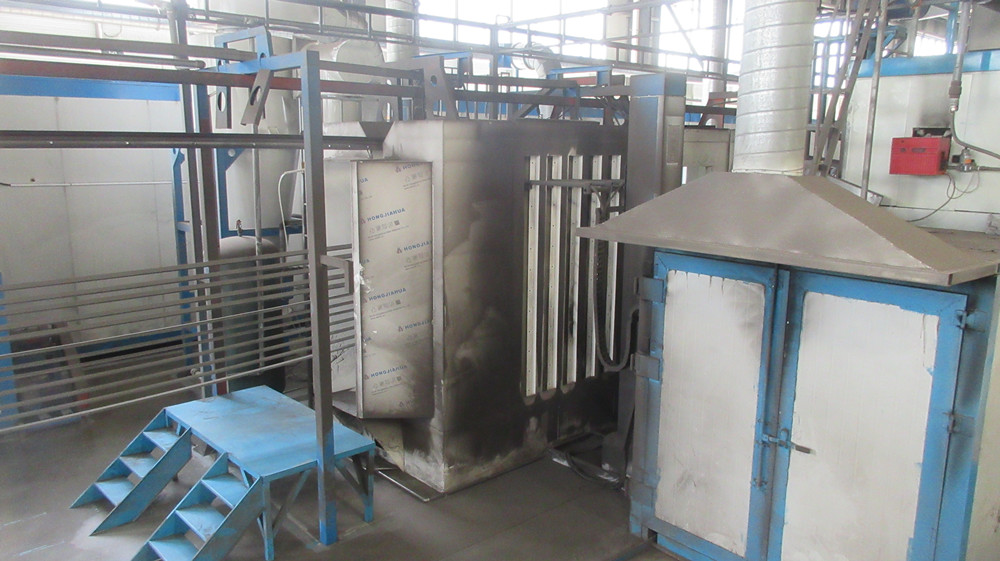
As a global B2B supplier, ShieldCraft provides customized frame extrusions tailored to exact architectural specifications. Our R&D team works with project managers, structural engineers, and developers to transform architectural drawings into fully certified commercial door systems.
We apply high-performance surface treatments engineered for coastal corrosion protection (C5-M rating). Options include Fluorocarbon PVDF coating compliant with AAMA 2605 specifications (20-year non-fading guarantee), 25-micron anodic oxidation, and Qualicoat-certified powder coating in over 200 custom RAL colors.
Profiles can be pre-milled and routed to receive motorized multipoint lock systems, biometric access controllers, hidden magnetic reed switches, motorized automatic opening actuators, and embedded wiring channels for modern smart building ecosystems.
For zero-energy building designs, profile internal cavities are injected with high-density Polyurethane (PU) foam or Aerogel insulation matrices. This configuration achieves structural rigidity alongside thermal isolation values suitable for Passive House certifications.
Reinforced aluminum door frames provide long-term durability across diverse environmental challenges and architectural typologies.
Exposure to extreme positive and negative wind pressures requires heavy-gauge aluminum structural frames. Our reinforced profiles prevent deflection, protecting glass seals and maintaining weatherproofing integrity under hurricane conditions.
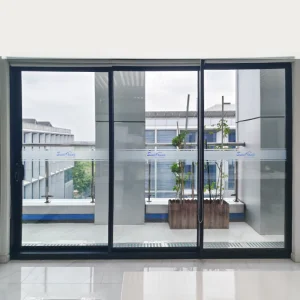
Ultra-narrow sightline sliding doors require extreme structural strength within compact frame profiles. By reinforcing the aluminum sub-frame with internal alloy web plates, we provide ultra-slim sightlines without sacrificing structural stability or load-bearing performance.
Hospitality, educational, and healthcare facilities require door frames capable of resisting millions of mechanical operational cycles. Corner joints feature heavy-duty cast aluminum corner cleats locked with stainless steel pins and two-component structural epoxy adhesives.
Procuring structural door profiles requires evaluating total cost of ownership (TCO), material compliance, packaging safety, and production lead times. Partnering with an established Chinese manufacturing partner offers distinct operational advantages:
Comprehensive engineering and procurement answers for structural architects, hardware specifiers, and global B2B buyers.
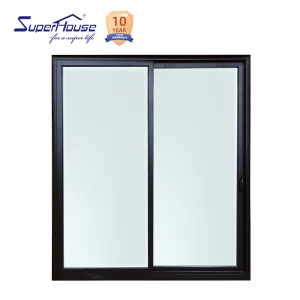
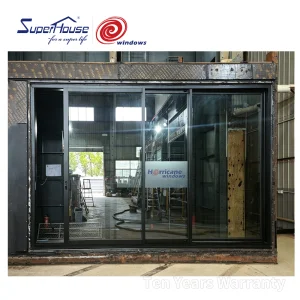
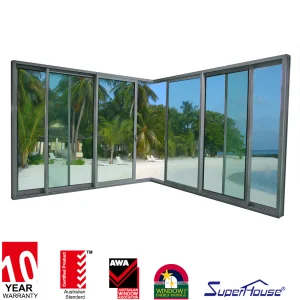
Browse our ultra-narrow patio doors, modern entry doors, and heavy-duty sliding structural systems engineered for residential and commercial projects.
 ShieldCraft Doors