Explore high-performance commercial and residential custom aluminum entrance solutions certified for international building codes.
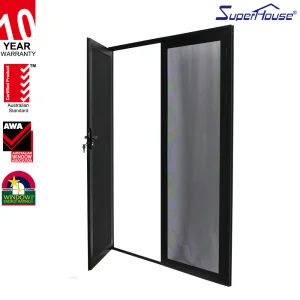
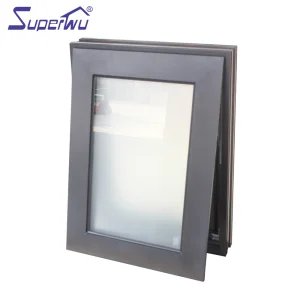
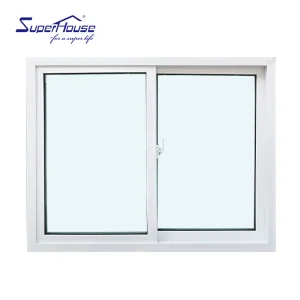
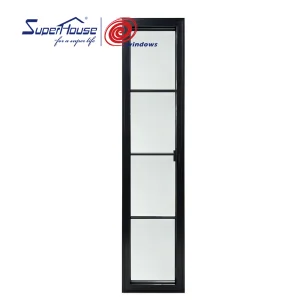
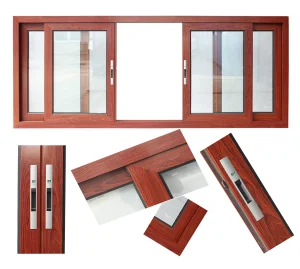
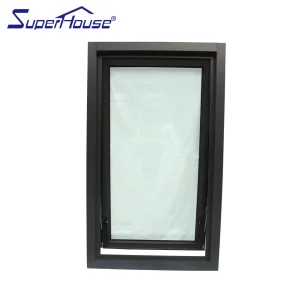
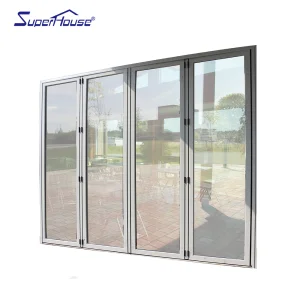
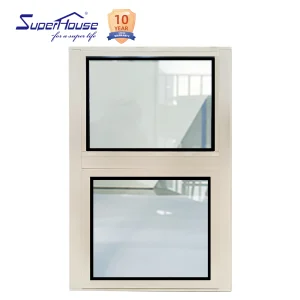
The architectural hardware and structural fenestration market has experienced a profound shift over the past five years. Custom aluminum entry doors have transformed from simple structural access barriers into highly engineered, energy-efficient, and security-integrated architectural facades. Driven by stringent global carbon-neutrality mandates, updated building envelope thermal codes (such as ASHRAE 90.1 in North America and EU EPBD directives), and consumer demand for minimalistic, luxury entrance aesthetics, the global market for high-performance architectural entry systems is projected to exceed $58.4 Billion by 2030.
Transitioning from monolithic aluminum extrusions to multi-chambered Polyamide (PA66GF25) thermal barriers, dramatically reducing U-factors down to passive house standards (≤ 0.8 W/m²K).
Demand for severe weather resilience has skyrocketed. Modern aluminum entry doors feature High Velocity Hurricane Zone (HVHZ) engineering, passing rigorous missile impact tests (Miami-Dade NOA standard).
Seamless embedding of biometric 3D facial recognition, hidden motorized multi-point locks, and IoT home automation controllers directly within the thermal door profile frame.
SEO & Sourcing Insight: B2B buyers, general contractors, and real estate developers are no longer evaluating suppliers purely on base price per square meter. Intent mining reveals an urgent search shift toward overall thermal performance certificates (NFRC, CE, AS2047), structural DP (Design Pressure) ratings, raw material traceability, and automated supply chain guarantees.
Selecting the right manufacturing partner requires evaluating industrial capacity, precision automation, material alloy grades, and global compliance certifications. Below is an authoritative evaluation matrix of the industry's leading manufacturers based on engineering capabilities, annual output, custom flexibility, and quality assurance mechanisms.
| Supplier / Manufacturer | Primary Specialty | Thermal Performance | Quality & Testing Standard | OEM/ODM Customization Capability |
|---|---|---|---|---|
| ShieldCraft Door Industries Co., Ltd. | Smart Entry Systems, Ultra-Tall Pivot Doors, Insulated Hinged Doors | U-Factor ≤ 0.18 (Ultra-Low E) | ISO9001, NOA Florida, NFRC, AS2047 | Full 3D CAD/BIM customization, 600+ new models/yr |
| Schüco International (Germany) | High-end Architectural Systems, Micro-slim profiles | U-Factor ≤ 0.75 W/m²K | EN 14351-1, Passive House Institute | Modular system customization, strict spec guidelines |
| Superhouse Building System | Glazed Patio & Sliding Impact Doors | NFRC / AAMA Certified | AS2047, Miami-Dade NOA | Standard & customized architectural configurations |
| Reynaers Aluminium (Belgium) | Sustainable Aluminum Solutions, Luxury Entrances | High-Insulation Thermal Break | Qualicoat, Cradle to Cradle Certified | Extensive bespoke profile extrusion designs |
| YKK AP Inc. (Japan/USA) | Commercial Storefront & Security Entry Doors | Standard Thermal Barrier | ASTM E330, AAMA Standards | Commercial project-driven specifications |
| Kawneer (Arconic Architectural) | Heavy Commercial Entrance Systems | IsoLock® Thermal Technology | LEED Compliant, U.S. National Code | Standard architectural metal engineering |
| Aluk Group (Luxembourg) | Residential & Commercial Fenestration | Multi-chamber Thermal Strips | CE Mark, PAS 24 Security | Regionalized profile adaptations |
| Jeld-Wen Windows & Doors | Residential Composite & Aluminum Clad Entry | Energy Star Certified | NFRC Rated | Standard consumer sizes & custom colors |
| Andersen Windows & Doors | Contemporary Aluminum Exterior Doors | Low-E Glass Integration | AAMA/WDMA Certified | Architectural collection tailoring |
| CORTIZO (Spain) | Minimalist Aluminum Systems & Large Openings | Ultra-high Thermal Efficiency | Qualicoat, CE Standards | Bespoke system designs for European market |
Achieving superior strength, acoustic attenuation, and zero structural deflection over decades of operation demands rigorous material selection and process control. A premium custom aluminum entry door relies on three foundational engineering pillars:
High-tier factories exclusively utilize 6063-T6 or 6060-T6 structural aluminum extrusions. With a wall thickness ranging from 2.0mm to 3.0mm for heavy-duty entry doors, these alloys provide superior tensile strength (> 205 MPa) and yield strength (> 170 MPa), resisting wind load pressure up to 5000 Pa without plastic deformation.
Aluminum is naturally conductive. To eliminate thermal bridging, top factories press Polyamide PA66GF25 (25% Glass Fiber reinforced) insulation strips into extruded slots. Advanced designs incorporate multi-cavity insulation foam insert cores (Aerogel or High-Density Polyurethane) within the door leaf.
To resist harsh marine atmospheres (C5-M corrosion class) and UV degradation, advanced coating processes are critical:
Founded in 2014, ShieldCraft Door Industries Co., Ltd. combines 12 years of industry experience with 4 years of rapid international export growth. Operating from a massive 50,000 sq ft industrial park, we generate over $45 million in annual export sales. Supported by strong international trade capabilities and over 1,800 supply chain partners, we supply leading Home Improvement Chains, Commercial Builders, and Brand Wholesalers across Eastern Europe, Central Asia, and North America. Quality is safeguarded by 95 QC technicians conducting automated optical inspections, impact endurance tests, and multi-point lock alignment checks. With top-tier R&D strength, our team of 210 skilled engineers developed over 600 new models last year, offering full customization options including smart entry system integration, custom RAL colors, and specialized thermal insulation cores.
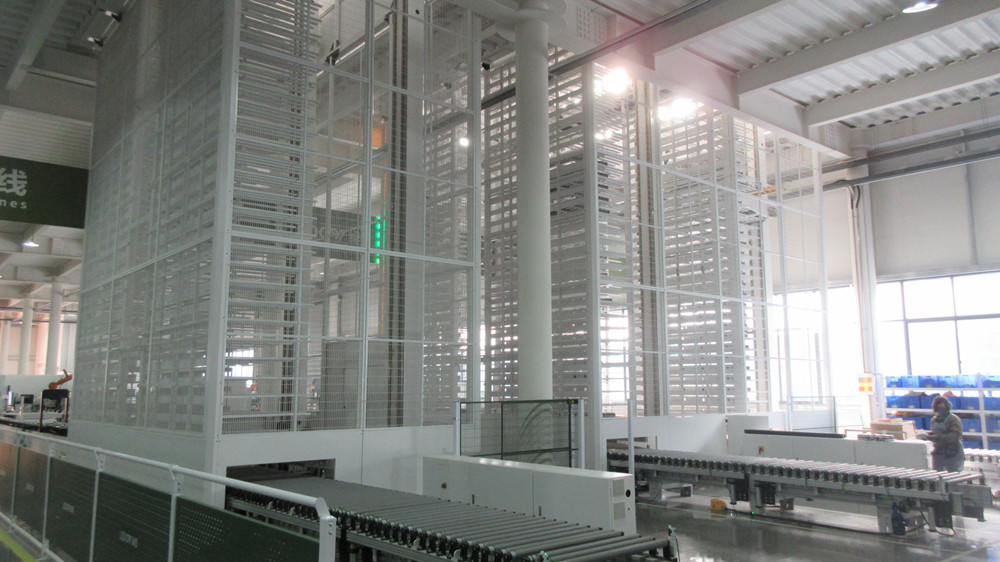
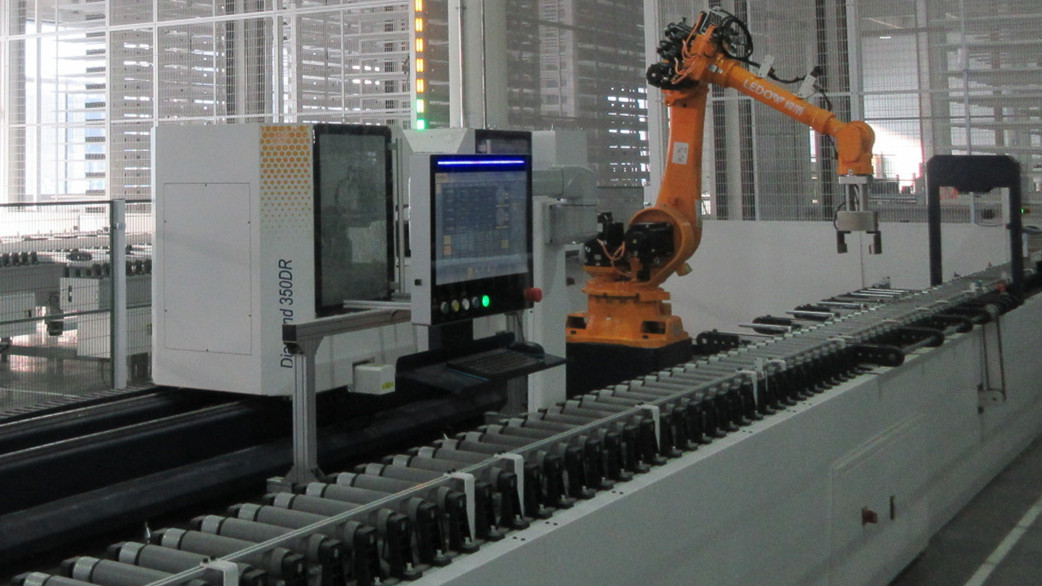
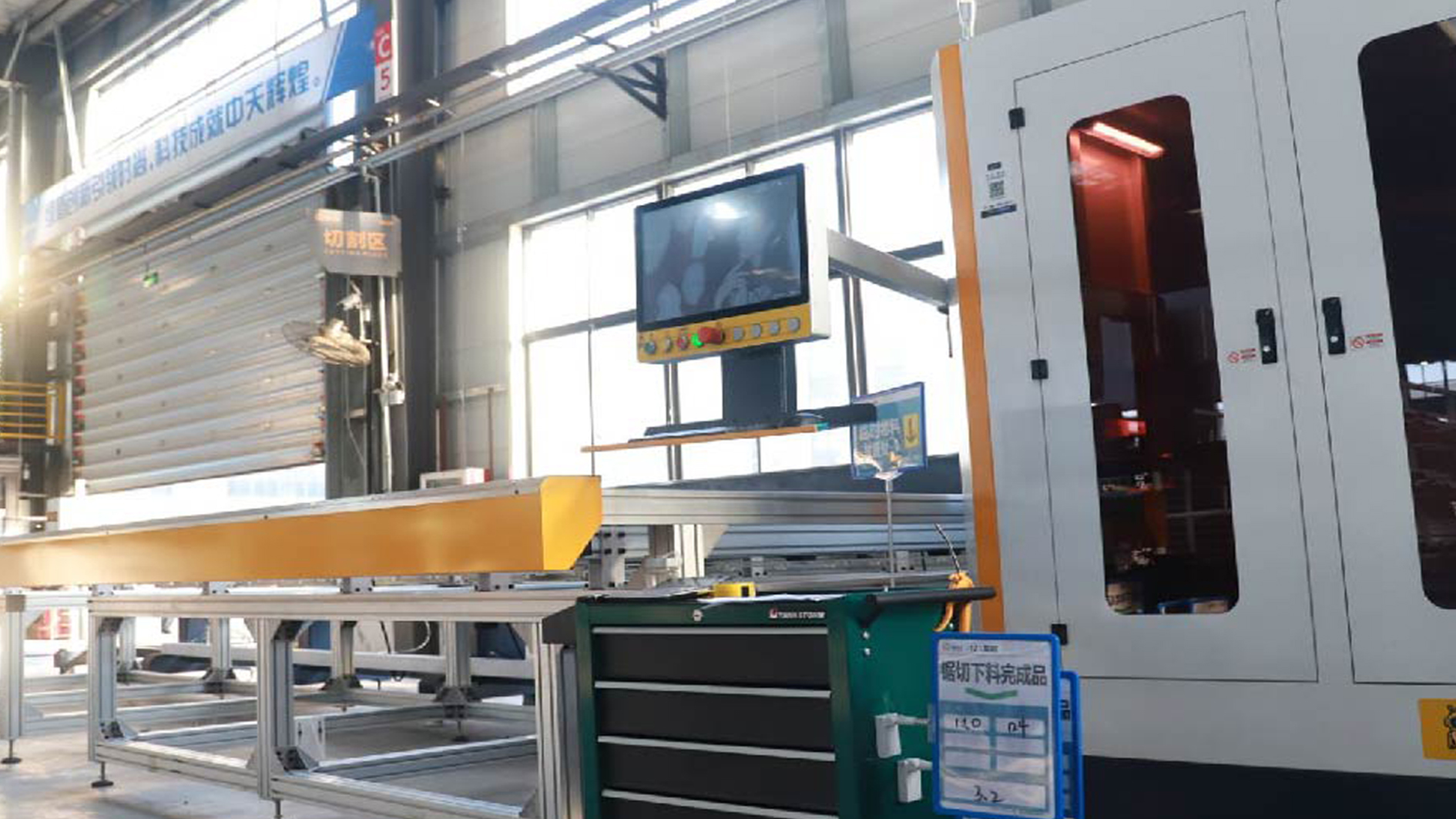
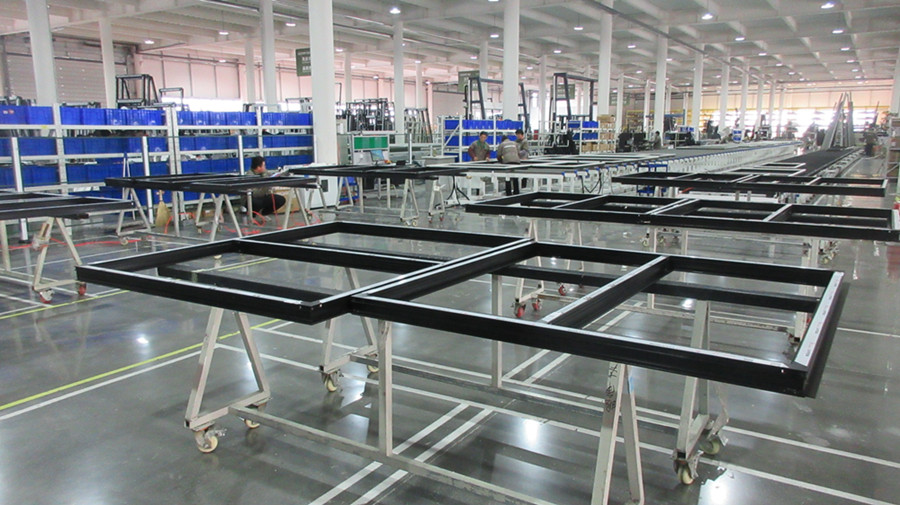
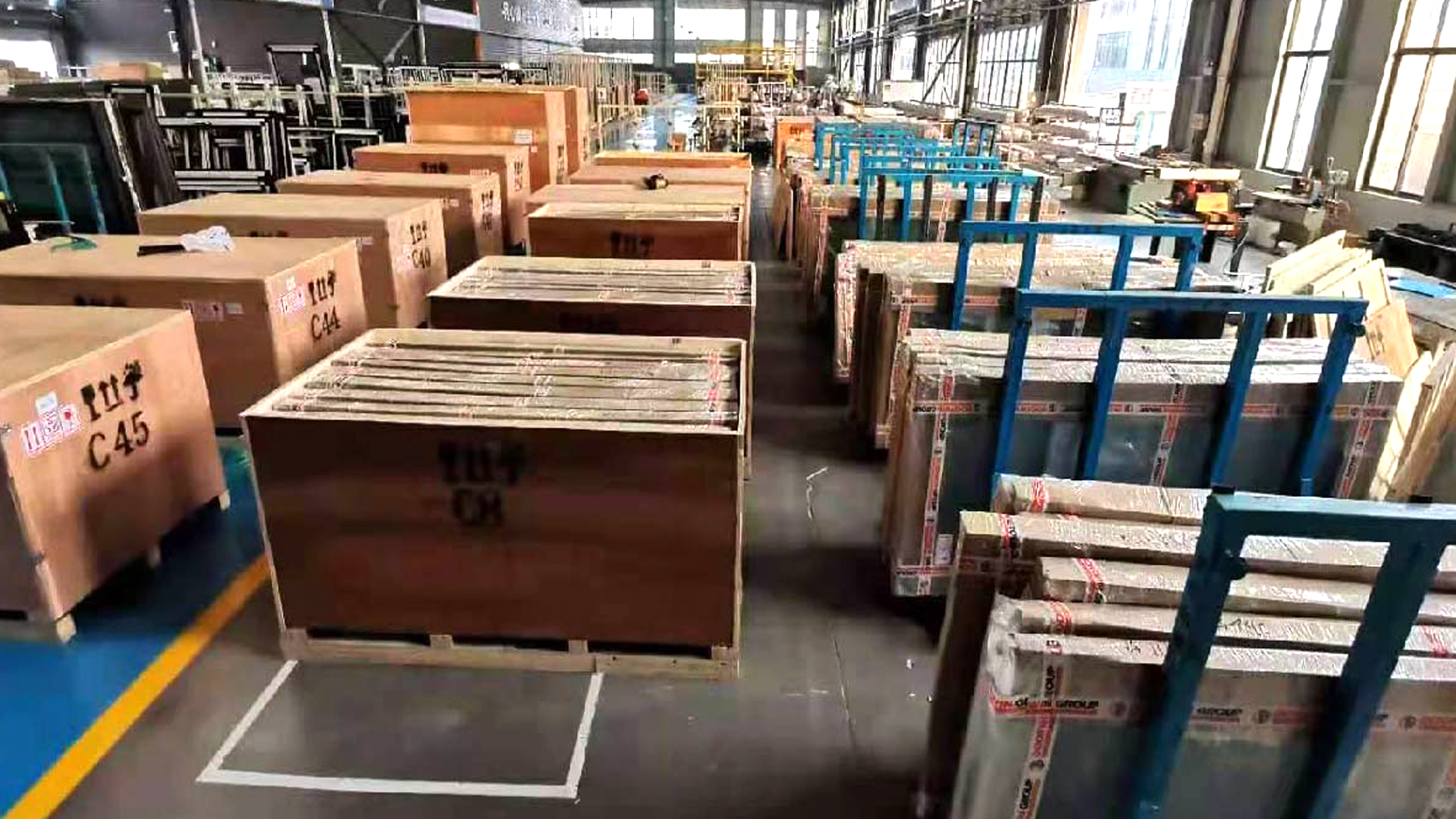
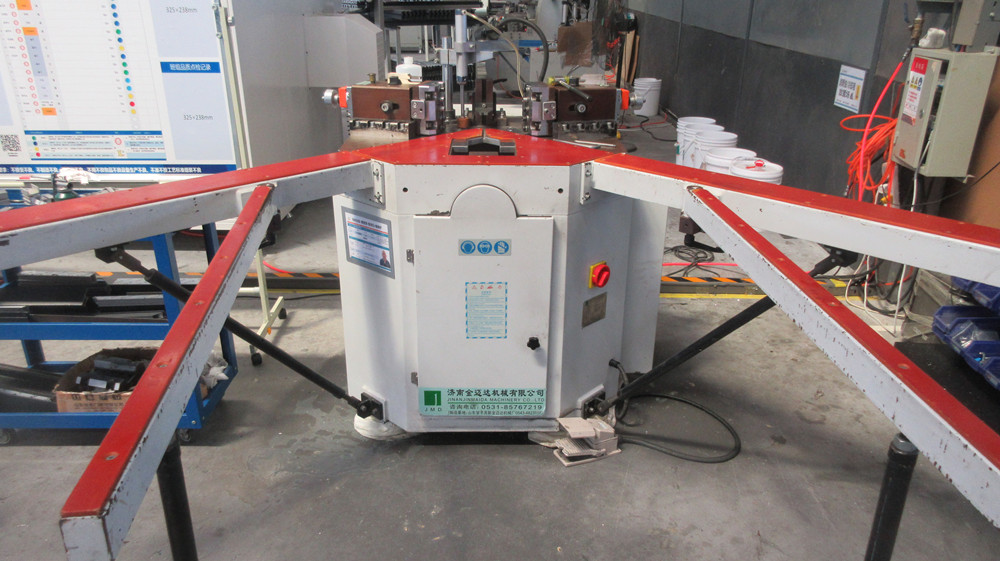
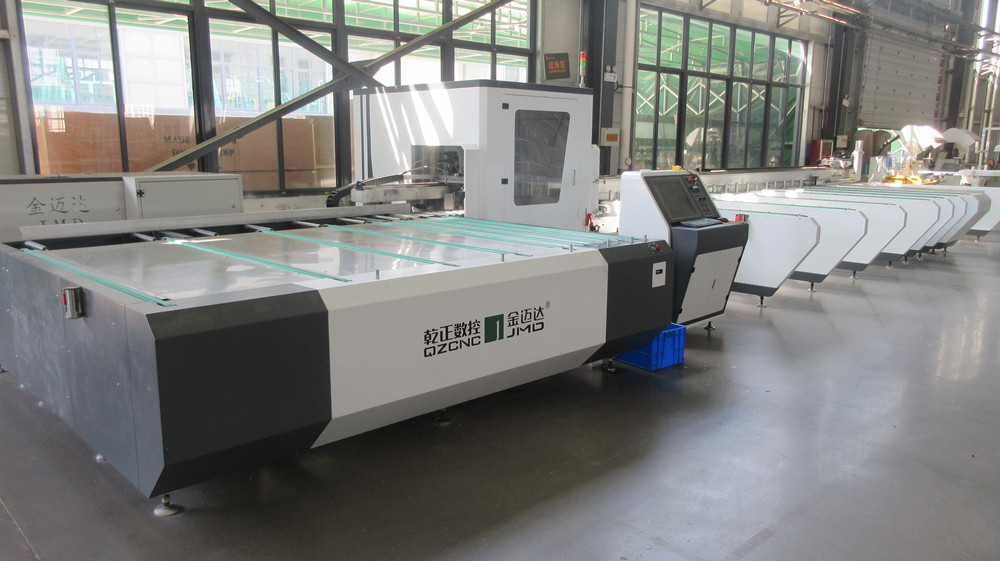
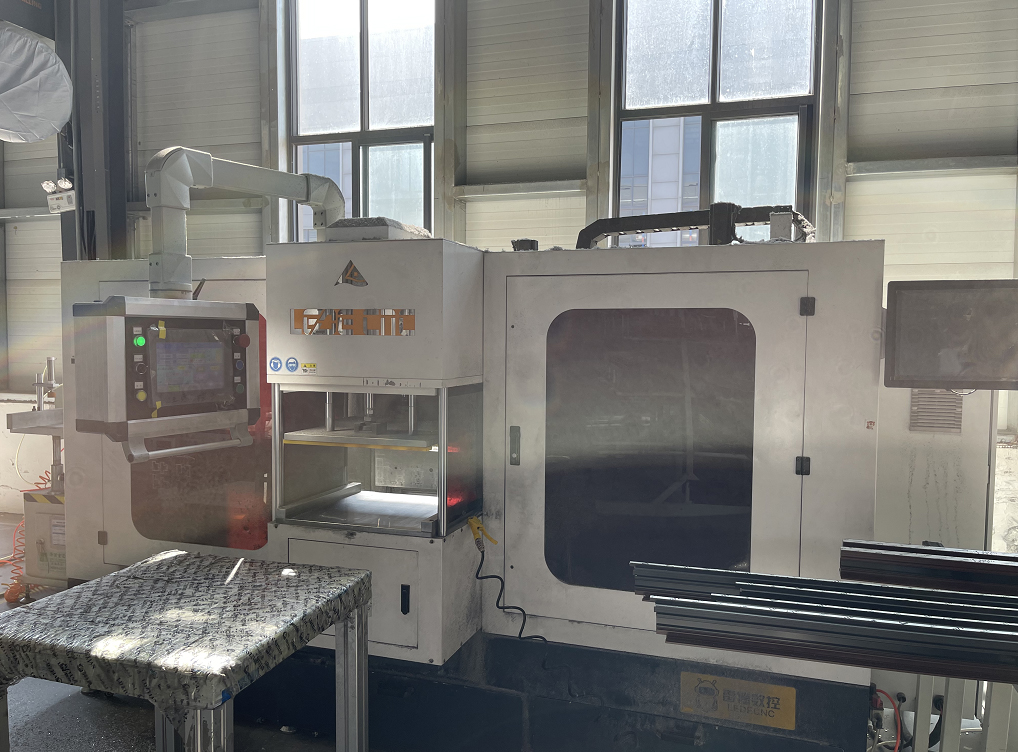
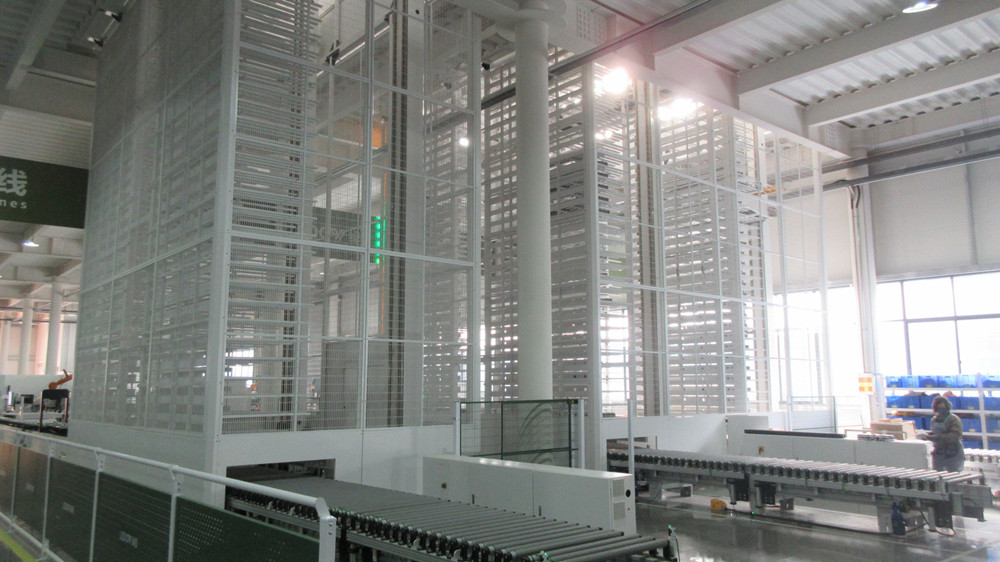
Our facility houses high-precision CNC machineries, automated robotic welding, and intelligent surface processing lines to ensure micrometer-level manufacturing tolerances across every batch.
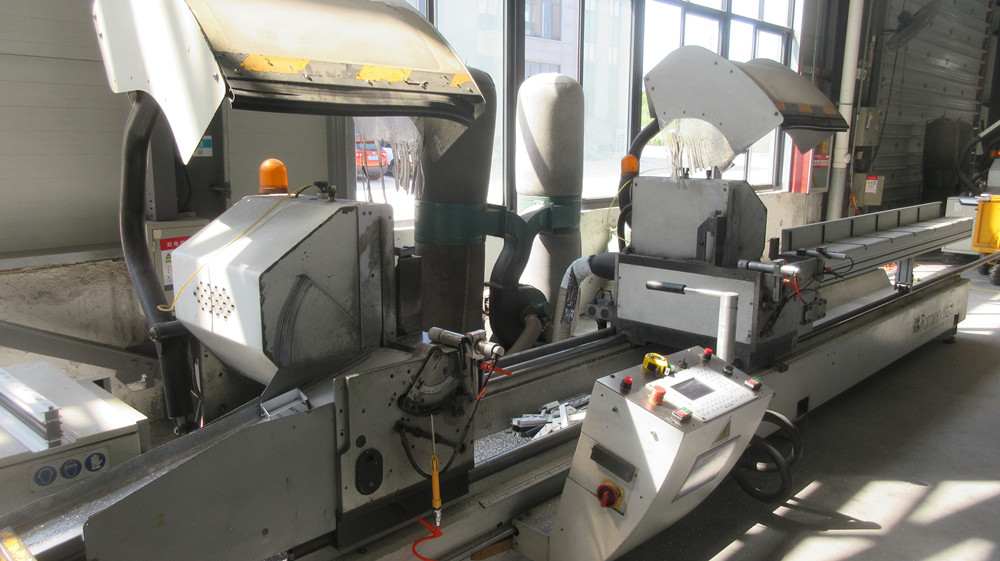
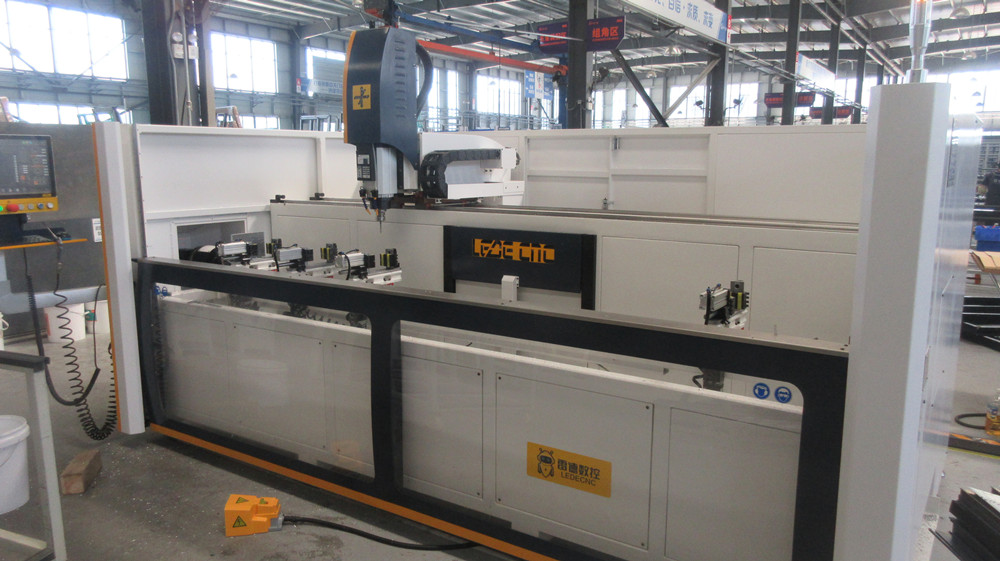
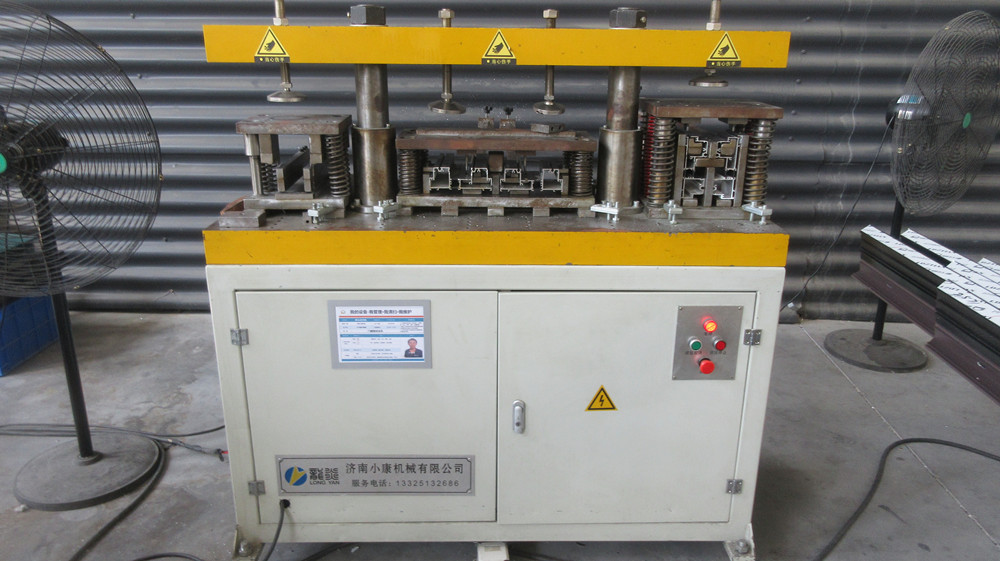
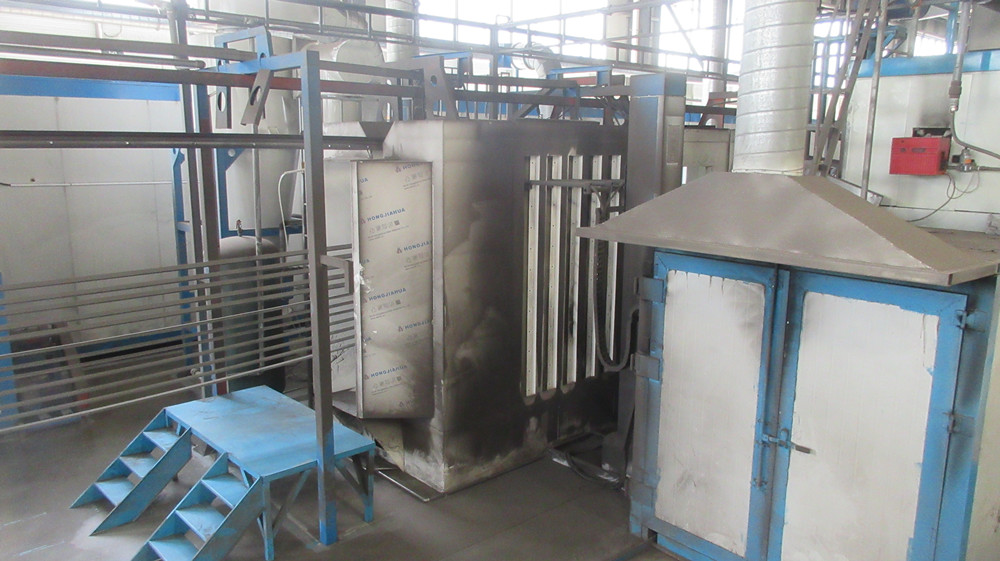
Architectural door specifications vary drastically based on geographic environmental loads, solar exposure, and municipal regulatory enforcement. Custom aluminum entry door engineering must adapt to localized demands:
Focuses heavily on Florida High Velocity Hurricane Zone (HVHZ) / Miami-Dade NOA approval and NFRC energy certification. Doors must resist large missile impacts (9lb 2x4 lumber fired at 50 ft/s) and possess structural Design Pressure ratings over DP-65 for coastal villa and high-rise applications.
Requires strict adherence to AS2047 and AS1288 codes. Entrances must handle extreme acoustic isolation, bushfire ember protection (BAL ratings), and high water penetration resistance up to 600 Pa under tropical storm conditions.
Emphasizes EN 14351-1 standards, CE marking, and Passive House compliance. Entry doors utilize 3-stage weather gaskets (EPDM rubber) and ultra-deep polyamides to reach U-values down to 0.7 W/m²K, pairing minimalist flush panels with embedded smart access controls.
Demands thermal break systems capable of resisting extreme exterior heat (> 50°C) without delamination. Finishes require high-grade PVDF or anodized powder coating to resist intense sand abrasion and solar UV degradation.
When sourcing custom aluminum entry doors internationally, architectural developers and wholesalers must enforce a multi-tier quality control methodology to prevent project delays and structural failures:
Mandate mill test certificates (MTC) for raw 6063-T6 aluminum alloys. Verify glass specs (tempered, PVB laminated Low-E, Argon gas filled) and thermal strip material composition (ensure PA66GF25, not PVC substitutions).
Heavy custom doors (especially oversized pivot systems weighing over 250 kg) require heavy-duty floor springs or German 3D adjustable hinges (e.g., SIMONSWERK, GU, Siegenia, or Hoppe multipoint locking hardware) tested for 200,000+ opening cycles.
Aluminum profiles are sensitive to scratches and salt moisture during transoceanic shipping. Ensure the manufacturer uses multi-layer wrapping: protective PE film, EPE foam edge wrap, and fully enclosed IPPC-stamped wooden crate packaging.
Answers to key technical, engineering, and OEM sourcing questions searched by architects, contractors, and door distributors worldwide.
Aluminum offers unmatched structural strength-to-weight ratio, ensuring non-warping performance across extreme moisture and temperature fluctuations. Unlike wood, aluminum will not rot, swell, or splinter. Unlike steel, premium anodized or PVDF-coated 6063-T6 aluminum will not rust or corrode over time. When combined with modern Polyamide (PA66GF25) thermal breaks, aluminum doors achieve energy efficiency identical to high-end composite materials while allowing much larger, modern structural spans and slimmer sightlines.
Yes. Leading OEMs seamlessly integrate concealed electronic multi-point lock hardware into the aluminum extrusions. Options include biometric fingerprint scanners embedded in the pull handles, keypad access, 3D facial recognition cameras, Bluetooth/Zigbee smart gateway access, and automated motorized swing actuators compatible with modern smart home automation protocols.
For the North American market, ensure products possess NFRC (National Fenestration Rating Council) ratings for thermal U-factor/SHGC compliance, AAMA performance certification, and Florida Miami-Dade NOA (Notice of Acceptance) if installing in hurricane-prone zones. For the Australian market, compliance with AS2047 (windows and doors in buildings) and AS1288 (glass in buildings) with verified test lab reports is mandatory.
Monolithic aluminum profiles typically exhibit poor U-factors (> 5.0 W/m²K). Injecting multi-chambered polyamide thermal breaks reduces heat transfer through conduction, bringing the frame U-factor down to 1.2 - 1.8 W/m²K. When paired with double or triple-glazed Low-E insulated glass filled with Argon gas, the overall entrance assembly can achieve U-factors below 0.18 BTU/h·ft²·°F (0.9 W/m²K), significantly lowering building HVAC energy consumption.
Leading factories like ShieldCraft Door Industries typically maintain a lead time of 25 to 35 days from technical shop drawing approval to container loading. For custom architectural projects, MOQs can range from a single custom pivot entry door for luxury villa projects to full 20ft/40ft container shipments for large commercial developments and regional distributors.
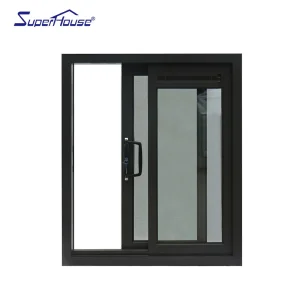
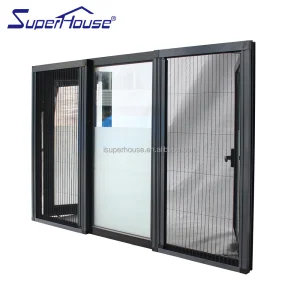
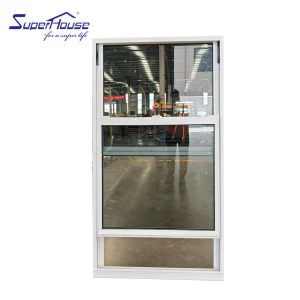
Explore our full line of high-durability thermal break casement, sliding, awning, and fixed picture window systems.
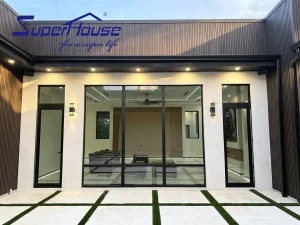
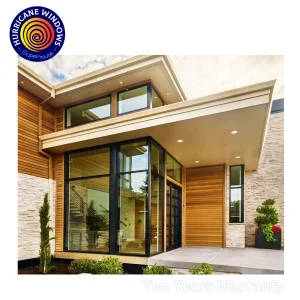
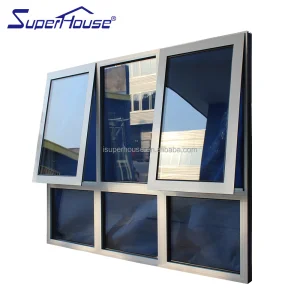
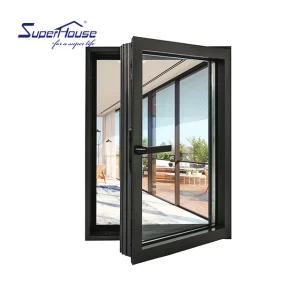
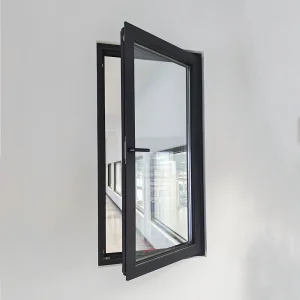
 ShieldCraft Doors