Explore our engineered product portfolio featuring thermal breaks, impact ratings, smart access systems, and customizable aesthetic finishes.
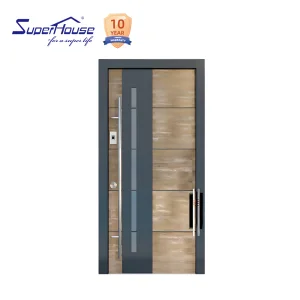
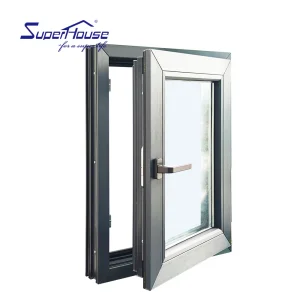
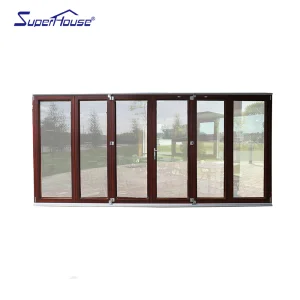
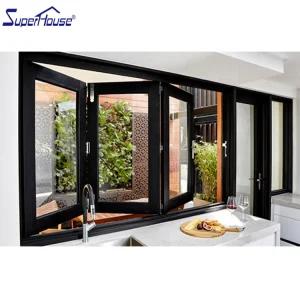
The international architectural landscape is undergoing a monumental paradigm shift. As municipal energy codes tighten across North America, Europe, and the Middle East, the entry door is no longer viewed merely as an aesthetic barrier or basic security threshold. Modern fenestration engineering classifies the main entry as a critical envelope component governing a building’s thermal performance rating, envelope air tightness, and structural resilience against climate anomalies.
For commercial procurement directors, real estate project developers, and brand wholesalers, selecting a tier-one insulated aluminum front door manufacturer in China represents a strategic optimization of cost efficiency, structural integrity, and customized scalability. China’s advanced aluminum extrusion ecosystem, paired with state-of-the-art thermal break technologies, empowers global buyers to achieve ultra-low U-factors without sacrificing structural rigidity or visual elegance.
B2B procurement requirements vary drastically by geographical climate zone. A one-size-fits-all manufacturing approach inevitably fails under rigorous local building code audits:
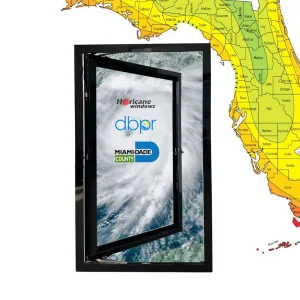
Projects within Florida, Texas, and the Eastern Seaboard mandate Miami-Dade NOA or FPA hurricane impact certification. Structural door panels require heavy-gauge extruded aluminum sub-frames, laminated shatter-proof tempered glass (PVB/SGP interlayers), and high-wind load pressure resistance exceeding DP70 to DP100.
Driven by the EU Green Deal and Zero-Emission Building Directives (EPBD), European importers prioritize thermal conductivity limits. Front door assemblies must feature multi-chamber polyamide thermal break strips (such as Technoform PA66 GF25) filled with high-density polyisocyanurate (PIR) foam to maintain low U-values (≤ 0.8 W/m²K).
In high ambient temperature zones (GCC region), front entry systems suffer extreme exterior skin expansion. Premium aluminum doors utilize specialized anti-bi-metal thermal strips, UV-resistant AkzoNobel powder coatings, and fluoropolymer finishes (PVDF) to prevent thermal warping and surface degradation under intense solar radiation.
Achieving superior structural stability and thermal isolation in aluminum front doors requires precise material selection and multi-layered composite construction. Below is the technical roadmap detailing the engineering layers inside our manufactured entry systems:
We utilize primary architectural aluminum alloy 6063-T6 with a wall thickness ranging from 2.0mm to 3.0mm. This provides exceptional yield strength, wind load deflection resistance, and structural anchor security without adding unnecessary structural weight to building foundations.
To break the thermal bridge inherently created by conductive aluminum, precision-engineered Technoform polyamide struts reinforced with 25% glass fiber are crimped into profile chambers. This reduces thermal conductivity (K-value) significantly compared to un-broken profiles.
Inside the door leaf cavity, high-density closed-cell Polyurethane (PU) or advanced Nanometer Aerogel panels are injected under high pressure. This acoustic and thermal core suppresses heat transfer through radiation and convection while dampening external noise by over 40 dB.
Continuous co-extruded EPDM rubber gaskets are implemented along triple-seal perimeter tracks. These weatherstrips remain resilient under extreme temperature fluctuations (-40°C to +120°C), eliminating air filtration (ASTM E283) and water penetration (ASTM E331).
Modern architectural front entry doors demand seamless integration between physical perimeter defense and electronic access control. Our custom aluminum door leaves feature pre-engineered recessed channels designed for commercial-grade smart locking systems:
Founded in 2014, ShieldCraft Door Industries Co., Ltd. combines 12 years of core industry manufacturing experience with 4 years of rapid international export growth. Operating from a massive 50,000 sq ft state-of-the-art industrial park, we generate over $45 million in annual export sales, cementing our position as a leading global manufacturer of residential and commercial insulated aluminum doors and high-performance windows.
Supported by robust international trade logistics infrastructure and an expansive network of over 1,800 global supply chain partners, ShieldCraft reliably supplies major Home Improvement Chains, Commercial Builders, EPC Project Developers, and Architectural Brand Wholesalers across Eastern Europe, Central Asia, the Middle East, and North America.
Quality assurance is rigorously safeguarded at every stage of fabrication. Our 95 QC technicians conduct automated optical inspections, impact endurance stress tests, weather-chamber air leakage analysis, and multi-point lock alignment checks prior to packaging. Driven by market-leading R&D capabilities, our team of 210 skilled engineers developed over 600 new customizable models last year alone, giving global clients complete freedom over custom RAL color matching, surface wood-grain sublimation, smart entry lock integration, and specialized thermal core densities.
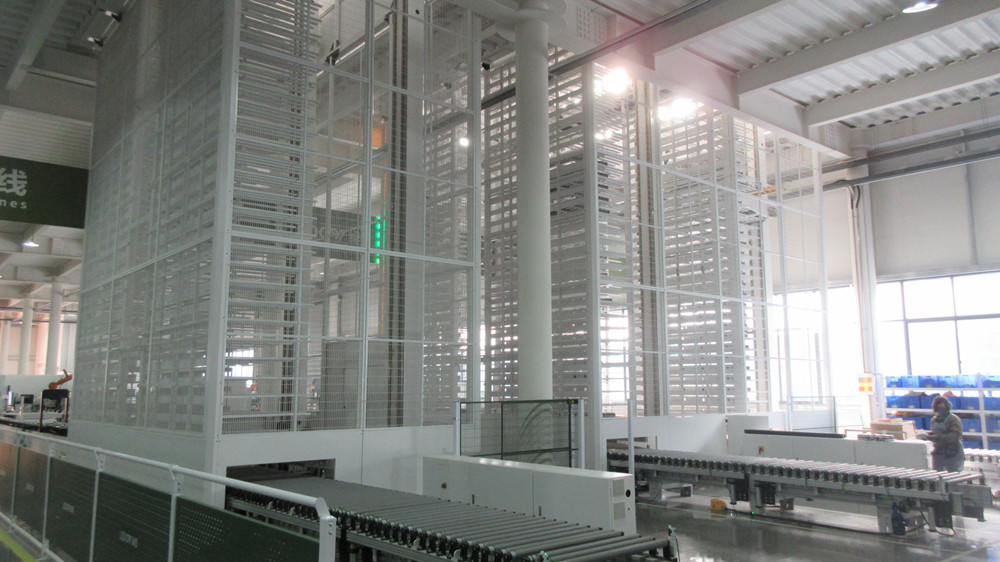
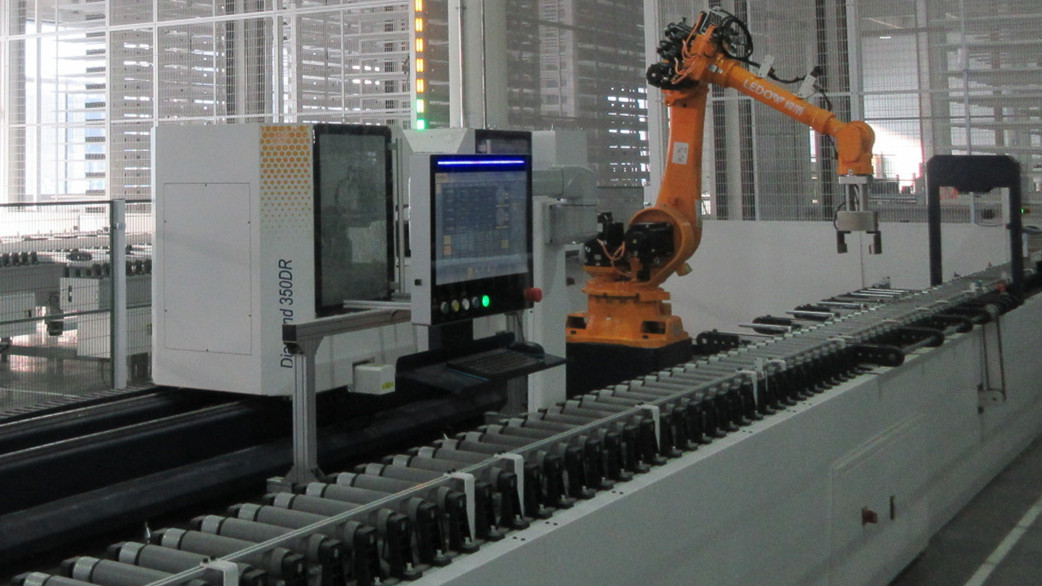
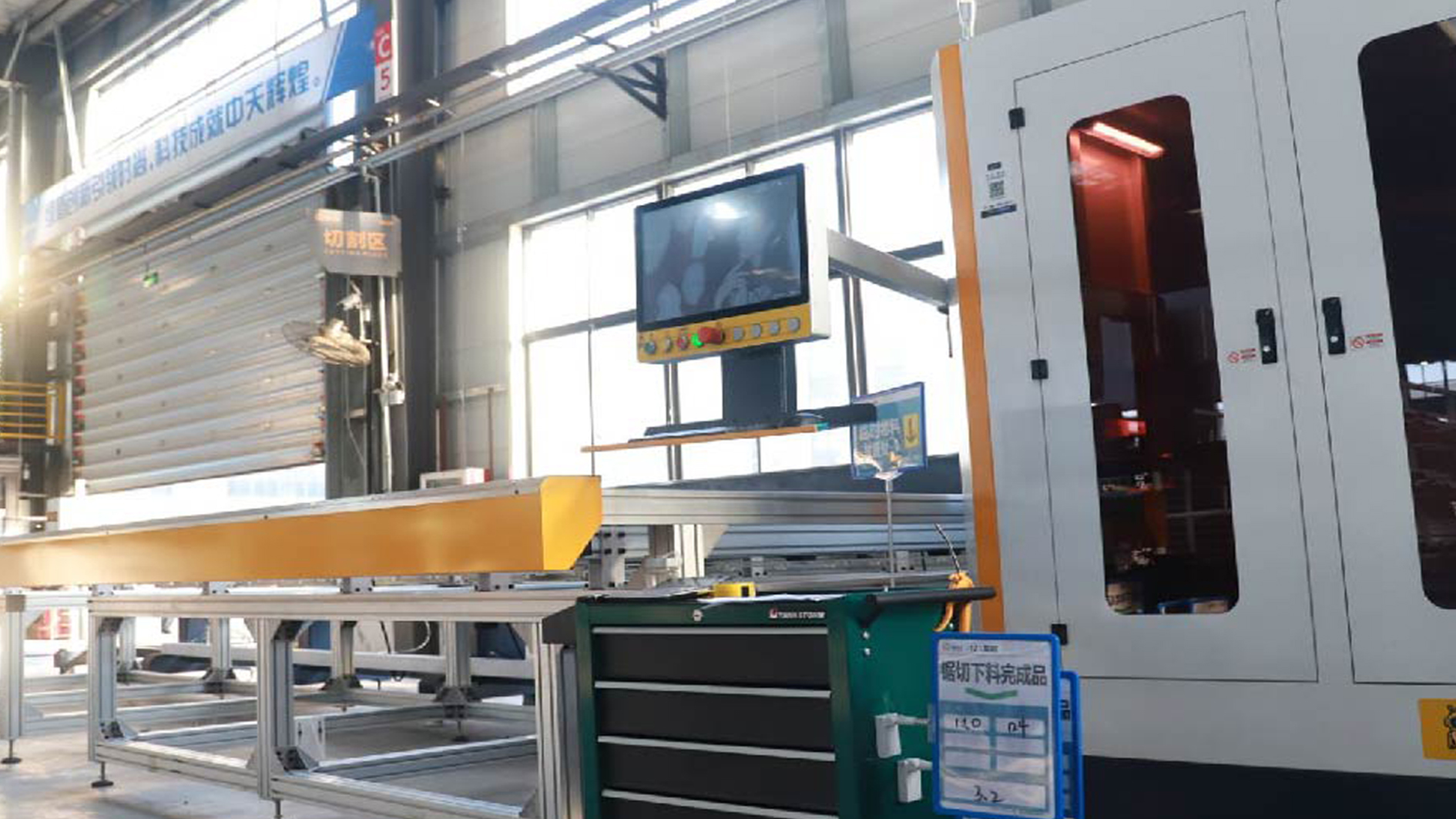
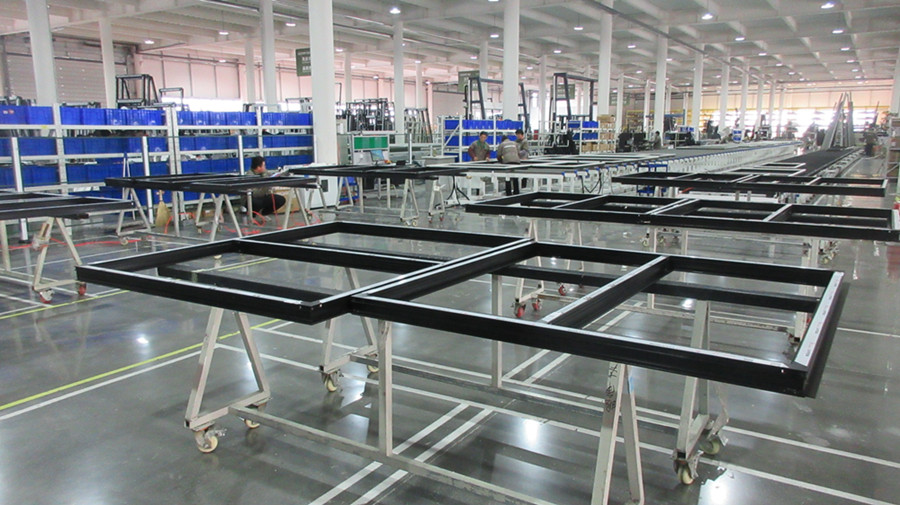
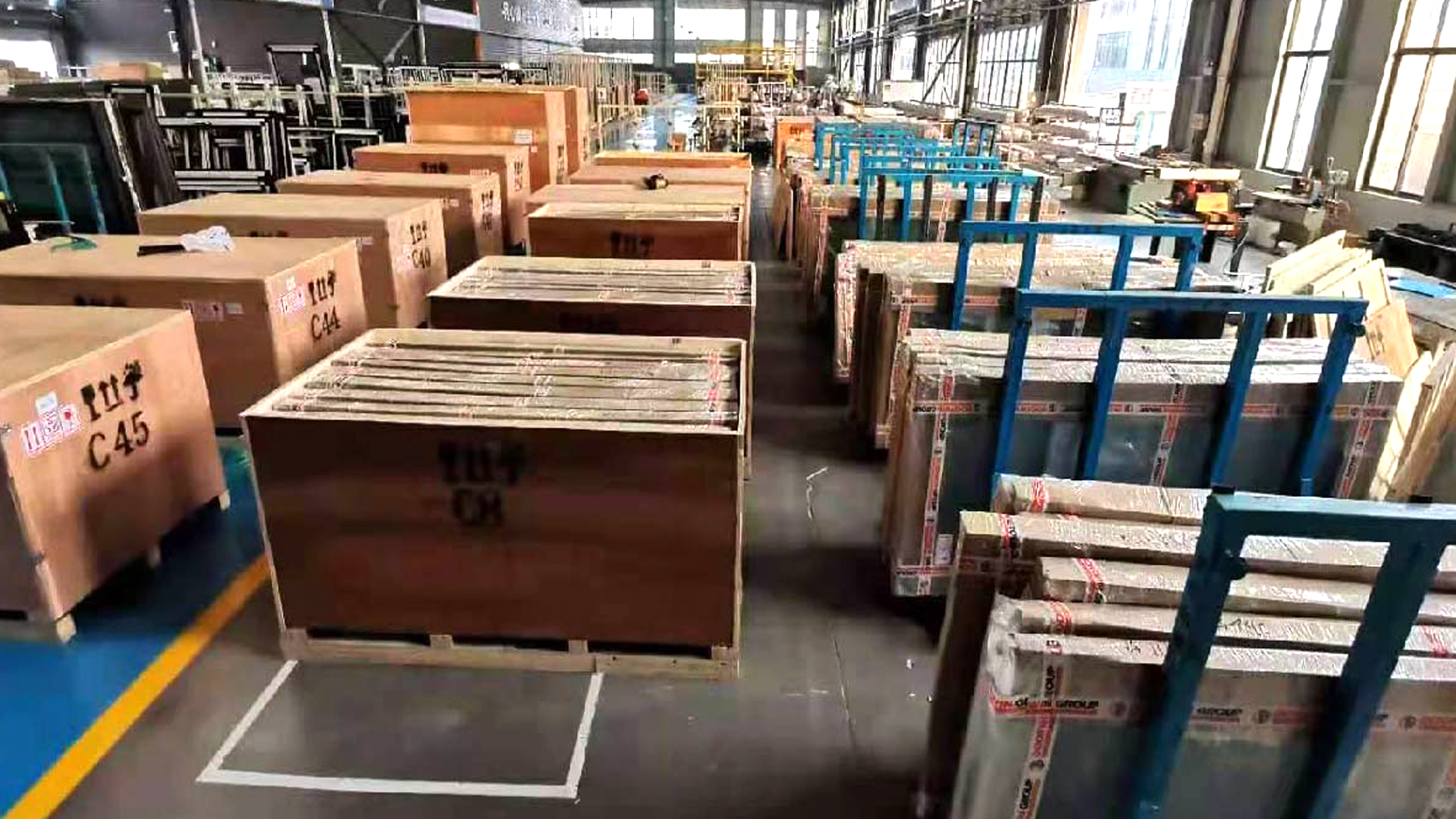
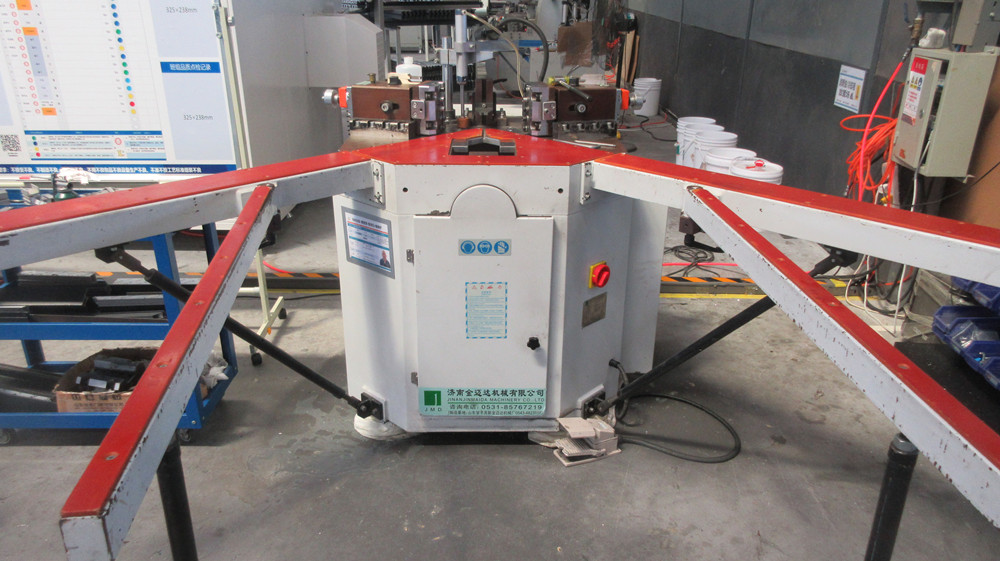
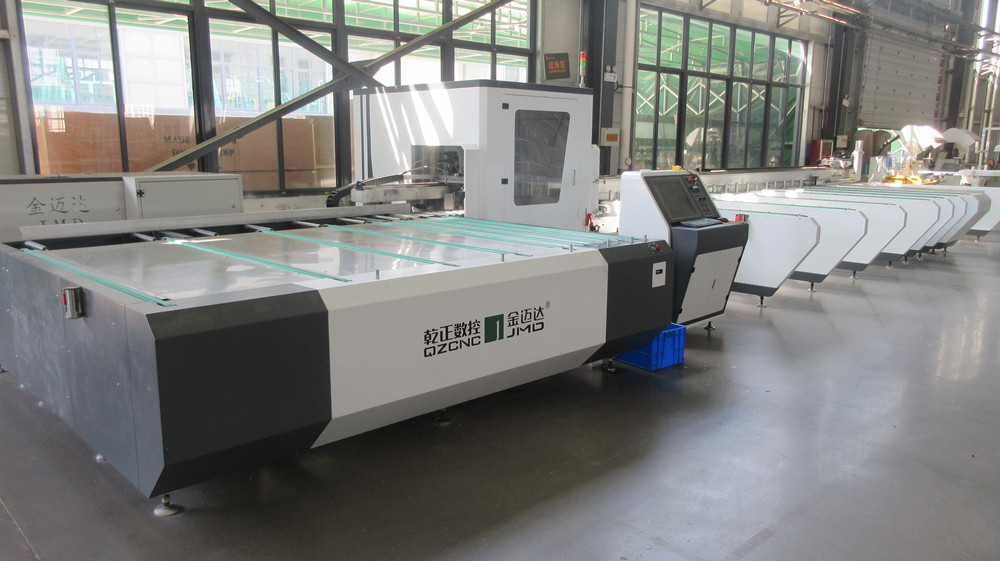
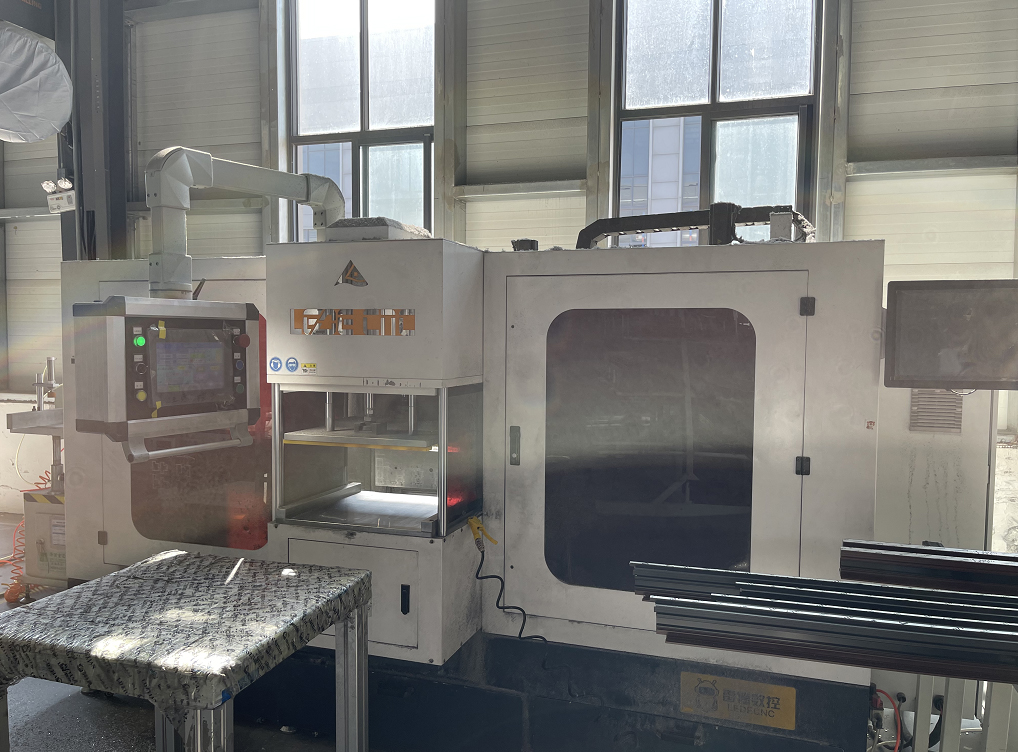
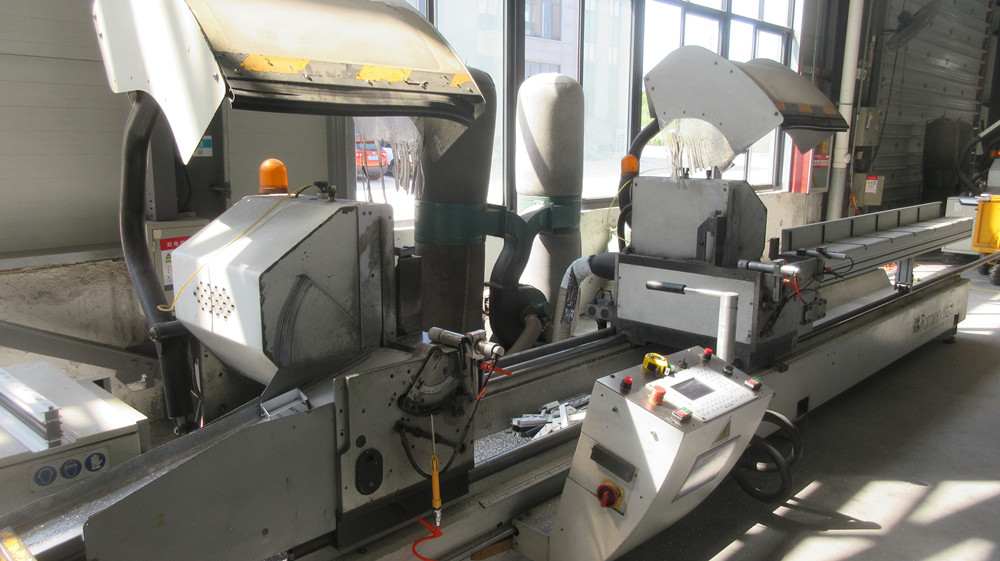
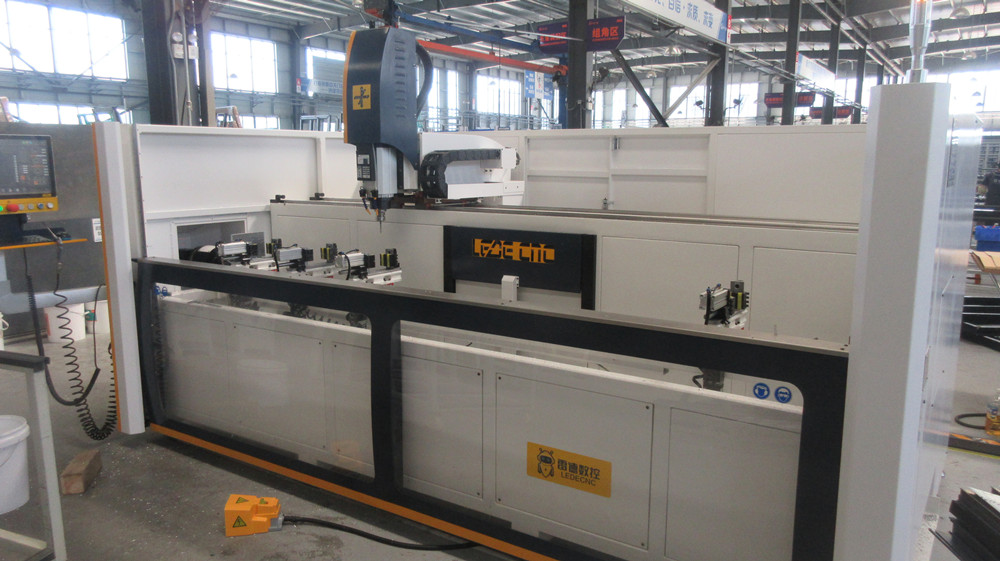
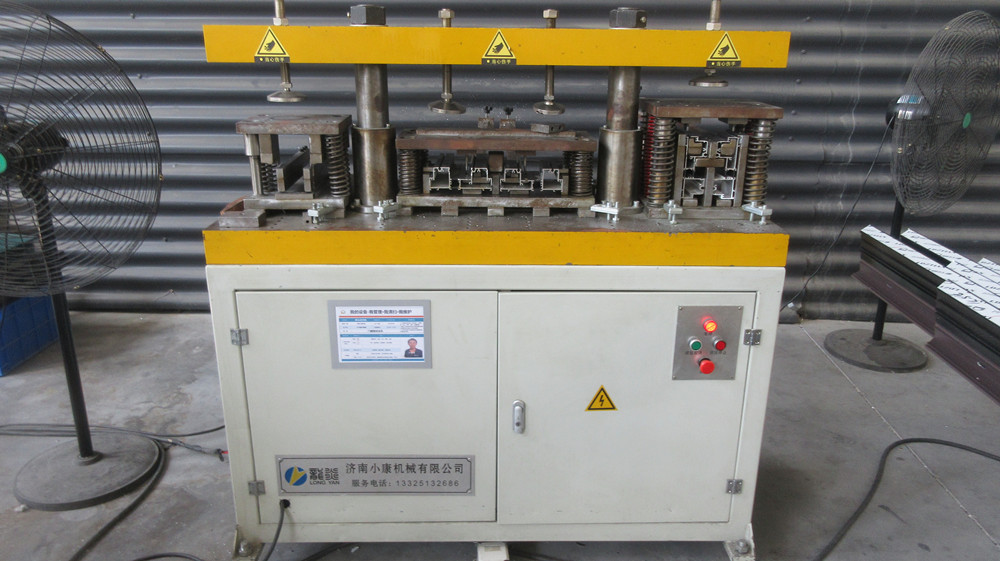
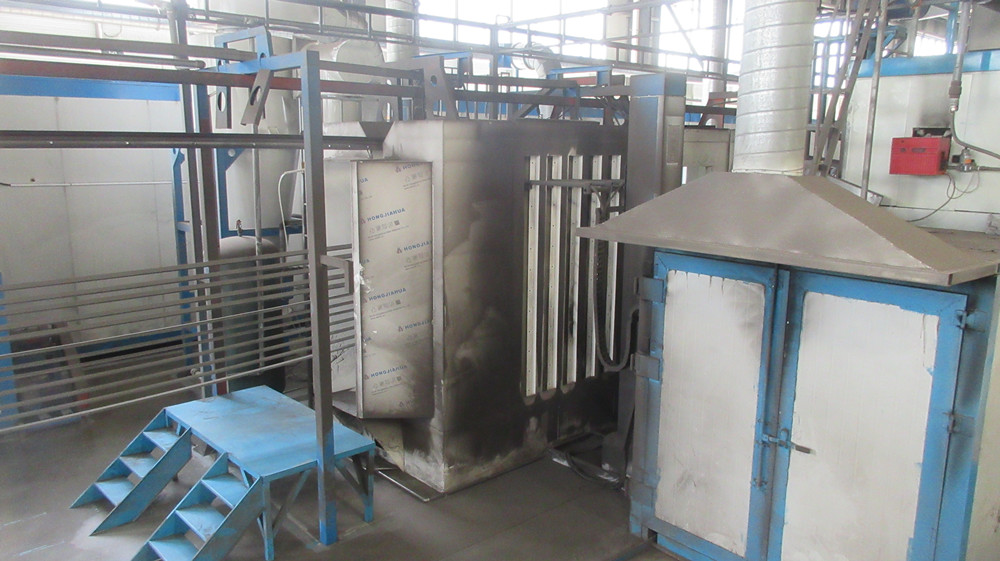
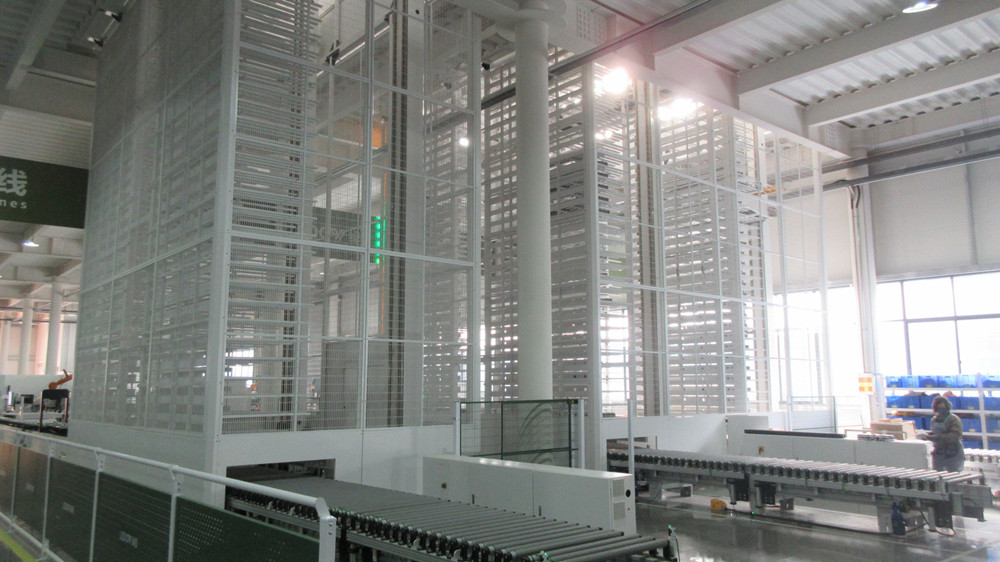
Take an inside look at ShieldCraft’s automated production lines, CNC machining centers, and high-precision assembly facilities designed for maximum throughput and zero-defect quality control.
Navigating international trade laws and regional building codes requires strict certification compliance. Every door series leaving the ShieldCraft factory is subjected to third-party laboratory verification to satisfy regional regulatory frameworks:
Full compliance with NFRC (National Fenestration Rating Council) protocols for U-factor, Solar Heat Gain Coefficient (SHGC), and Visible Transmittance (VT). Certified under Florida Product Approval (FPA) and Miami-Dade NOA for High-Velocity Hurricane Zones (HVHZ).
Engineered to meet CE Marking (EN 14351-1) directives. Products feature certified thermal performance matching EN ISO 10077-2 specs and air permeability ratings up to Class 4 (EN 12207), water tightness up to Class E900 (EN 12208).
Tested in accordance with AS2047 (Windows and External Glazed Doors in Buildings) and AS1288 (Glass in Buildings), validating structural deflection, water resistance, and ultimate strength under high acoustic and thermal stress.
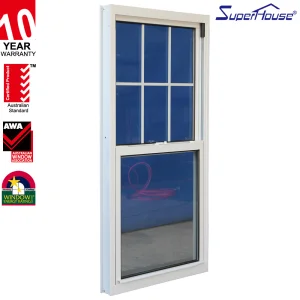
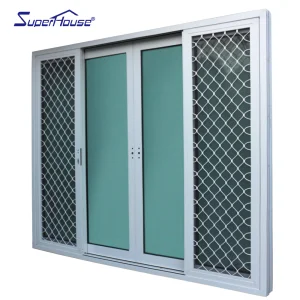
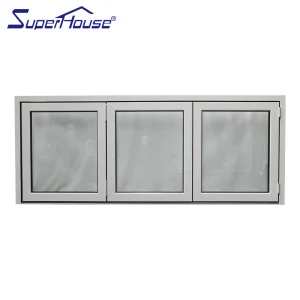
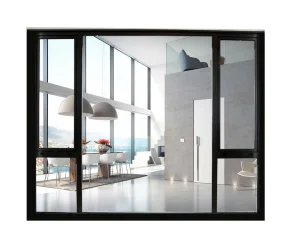
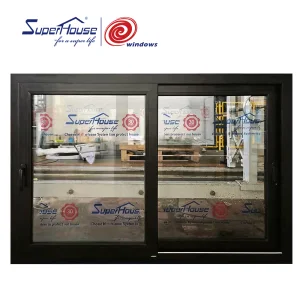
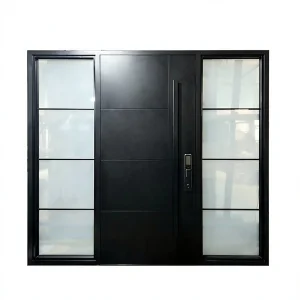
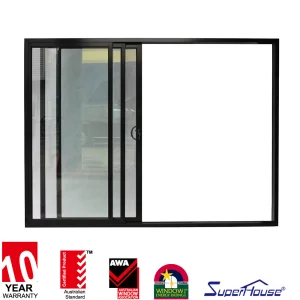
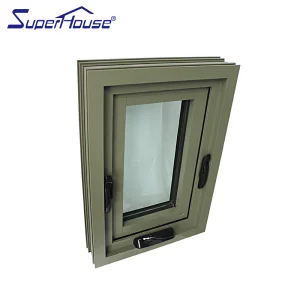
Complete your architectural envelope package with our certified sliding windows, awning units, and smart entry access doors.
Addressing critical technical, OEM/ODM customization, shipping, and quality assurance queries for international buyers.
Insulated aluminum doors offer an unparalleled combination of structural strength, dimensional stability, and zero maintenance. Unlike solid wood, aluminum will never rot, warp, expand, or crack under moisture or extreme UV exposure. Compared to standard steel, thermally broken aluminum profiles completely prevent thermal bridging, offering significantly lower U-factors, superior anti-corrosion properties (especially in coastal environments), and flexible architectural powder-coating or real wood sublimation finishes.
We engineer door assemblies using structural Technoform polyamide thermal breaks (PA66 GF25) that physically separate the outer and inner aluminum skins. In addition, the internal door cavities are injected with high-density polyurethane (PU) or aerogel cores. Combined with triple-pane Low-E insulated glass units (IGU) filled with Argon gas and perimeter warm-edge spacers, our systems achieve U-values as low as 0.8 to 1.2 W/m²K (U-factor 0.14 - 0.21 BTU/h·ft²·°F).
With a dedicated R&D team of 210 engineers, we offer 100% full customization. This includes custom door dimensions (up to 4-meter high oversized pivot doors), custom profile extrusion dies, architectural RAL colors, anodized metallic finishes, 3D wood-grain sublimation, integration of smart biometric locks (fingerprint, keypad, mobile app, facial recognition), custom glass frosting/tinting, and integrated LED light strips along the pull handles.
Our products undergo rigorous testing and maintain global compliance certifications including NFRC (USA), Florida Product Approval (FPA) & Miami-Dade NOA (Hurricane Impact), AS2047 / AS1288 (Australia), CE Marking (Europe), and ISO9001 / ISO14001 factory management standards. Quality control is verified by 95 internal QC technicians conducting automated optical and physical stress inspections.
Standard production lead time for custom OEM orders ranges between 25 to 35 days from technical CAD shop drawing approval. For export shipping, doors and glass units are individually wrapped with protective PE film, corner guards, shock-absorbing EPE foam, and sealed inside fully-enclosed fumigation-free plywood crates to ensure 100% protection during long-distance maritime transit.
 ShieldCraft Doors