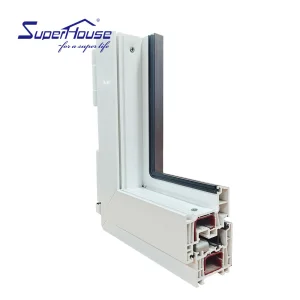
High-performance architectural entry doors and window solutions precision-engineered for commercial developers and residential mega-projects.
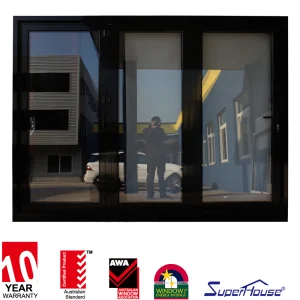
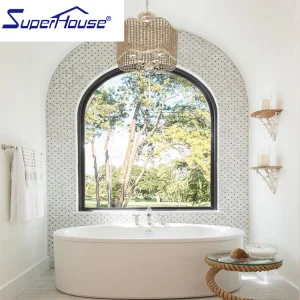
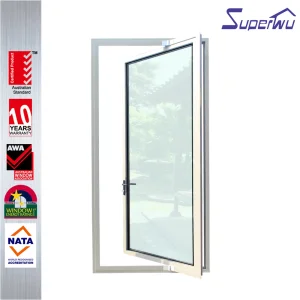
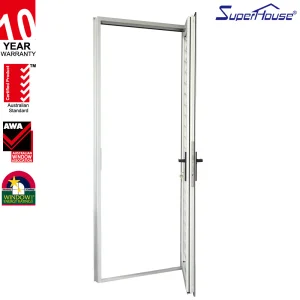
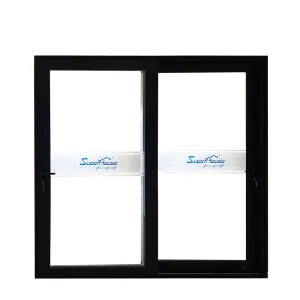
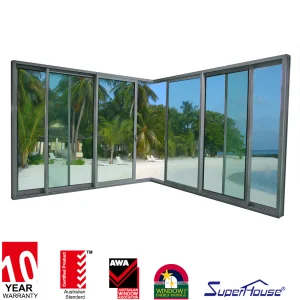
Navigating modern architectural envelope requirements: From basic access barriers to complex energy-efficient, hurricane-resistant entry systems.
In contemporary architectural design and commercial construction, the main entry door has evolved far beyond a basic security boundary. It now acts as a high-performance structural nexus integrating advanced thermal insulation, multi-point electronic access control, wind-load resistance, acoustic dampening, and aesthetic brand identity. For global real estate developers, general contractors, and hardware import enterprises, identifying top-tier, trusted main door factories requires evaluating precise engineering metrics rather than relying on surface-level marketing claims.
The international fenestration and entrance system market is currently undergoing a structural transformation driven by stringent regional energy codes (such as IECC in North America and EPBD in Europe) and extreme weather resilience imperatives. Sourcing professionals must differentiate between basic assembly shops and true OEM/ODM manufacturing conglomerates capable of managing the full life-cycle of door system engineering—from metallurgical alloy selection and extrusions to glass lamination, thermal strip crimping, and automated quality assurance.
Core Procurement Insight: Evaluating a main door factory's true capabilities requires auditing its structural testing parameters (Design Pressure ratings), thermal break assembly methods (PA66GF25 polyamide vs. poured polyurethane), hardware multi-point locking alignment systems, and certification authenticity (NFRC, Miami-Dade NOA, AS2047).
Modern entry doors utilize multi-cavity thermally broken profiles combined with double or triple argon-filled tempered glass systems to achieve U-factors below 0.22 BTU/h·ft²·°F and sound transmission class (STC) ratings exceeding 42 dB.
High-Velocity Hurricane Zone (HVHZ) compliance demands entrance systems engineered to withstand continuous wind load cycles and missile impact tests (ASTM E1886/E1996), featuring heavy-duty SentryGlas® interlayers.
Leading factories seamlessly embed hidden motorized multi-point lock actuators, biometric sensors, facial recognition modules, and smart home bus connectivity (KNX/Zigbee) directly within aluminum frame extrusions.
Comparative technical evaluation across core entry door manufacturing substrates and glazing configurations.
Selecting the ideal material profile for large-scale main door procurement requires a balanced evaluation of structural performance, weight-to-strength ratios, maintenance cycles, and thermal resistance. Below is a comprehensive engineering comparison executed by Senior Architectural Glazing Consultants:
| Material / Profile Category | U-Factor Range (W/m²K) | Acoustic Isolation (STC Rating) | Structural Wind Load (Pa) | Corrosion Resistance | Maintenance Cycle |
|---|---|---|---|---|---|
| Thermally Broken Aluminum (6063-T6) | 1.2 - 1.8 | 38 - 45 dB | Up to 6000 Pa (HVHZ) | Exceptional (Powder/PVDF) | Low (25+ Years) |
| Steel Reinforced System Entry | 1.5 - 2.2 | 35 - 42 dB | Up to 7500 Pa | Moderate (Galvanized/E-coat) | Medium (15+ Years) |
| European System UPVC Profile | 0.9 - 1.4 | 32 - 40 dB | Up to 3500 Pa | High (UV-Stabilized) | Low (20+ Years) |
| Solid Hardwood Core Entry | 1.8 - 2.5 | 30 - 36 dB | Up to 2500 Pa | Low (Requires Sealing) | High (5-10 Years) |
Thermal Breaking Technology: High-end main door factories utilize 24mm to 34mm glass-fiber reinforced Polyamide (PA66GF25) strips. This mechanical barrier prevents thermal bridging, ensuring that internal ambient temperatures remain stable despite extreme external freezing or scorching conditions. Furthermore, double-glazed units (IGUs) are assembled using dual-seal technology: primary butyl sealant to eliminate moisture vapor transmission, backed by secondary structural silicone for high structural shear strength.
Why global commercial builders and retail chains leverage China’s integrated manufacturing hubs for large-scale entry door procurement.
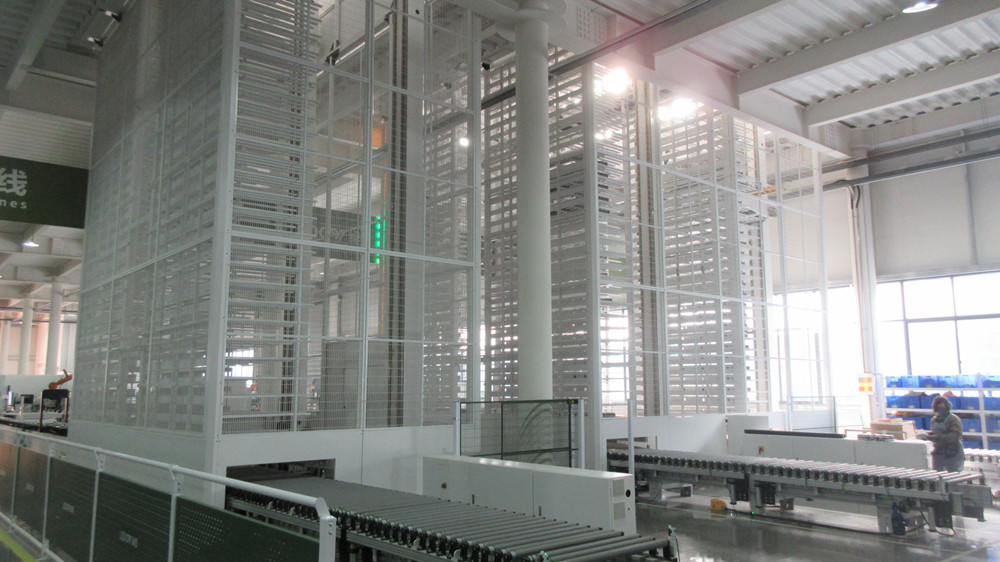
China’s fenestration and door manufacturing cluster represents the world's most vertically integrated industrial ecosystem. Unlike decentralized assembly operations found in smaller manufacturing regions, tier-1 Chinese main door factories operate within immediate physical proximity to raw bauxite refineries, advanced aluminum extrusion mills, chemical coating giants, hardware casting foundries, and automated glass processing lines.
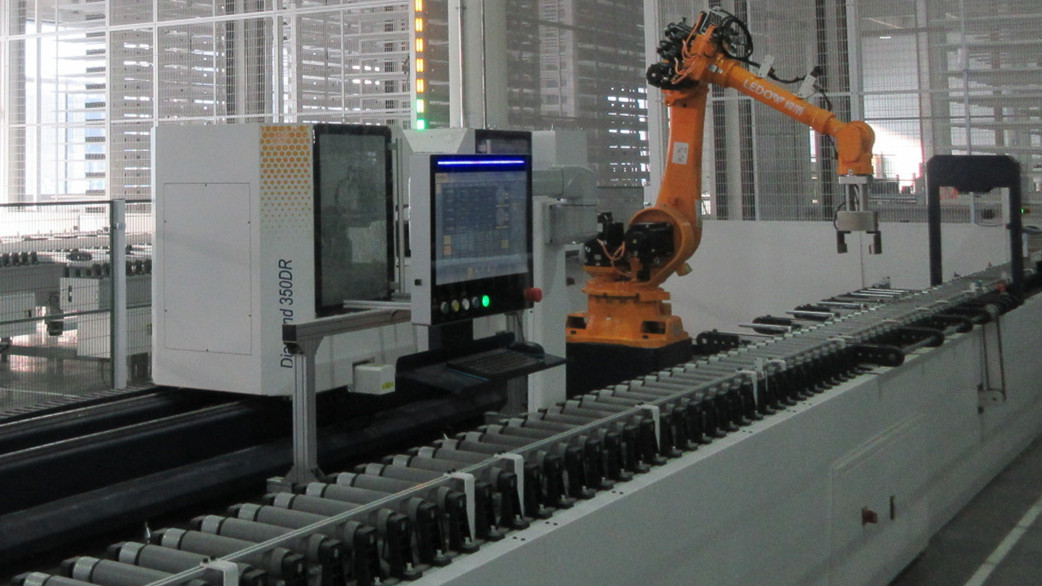
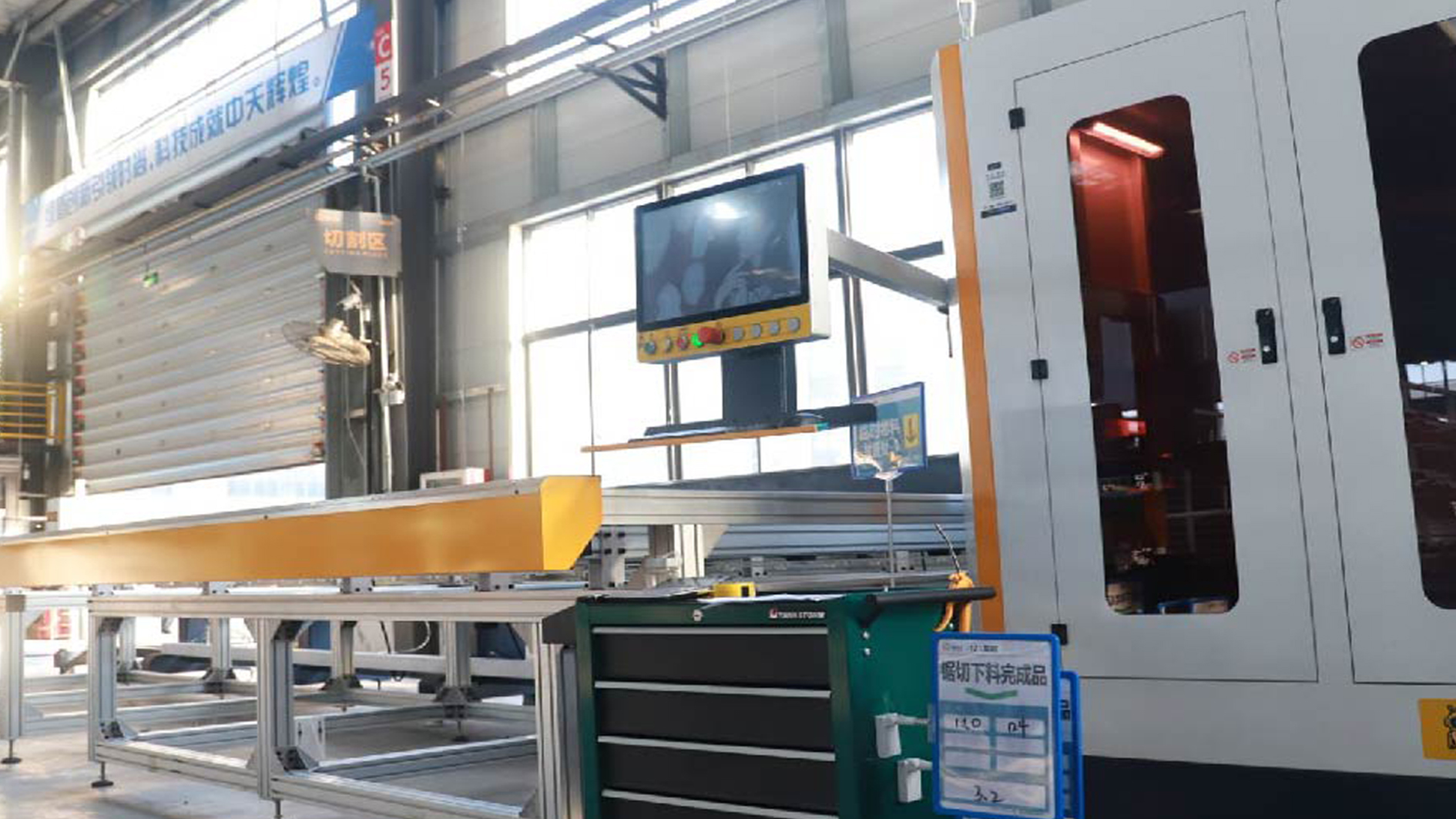
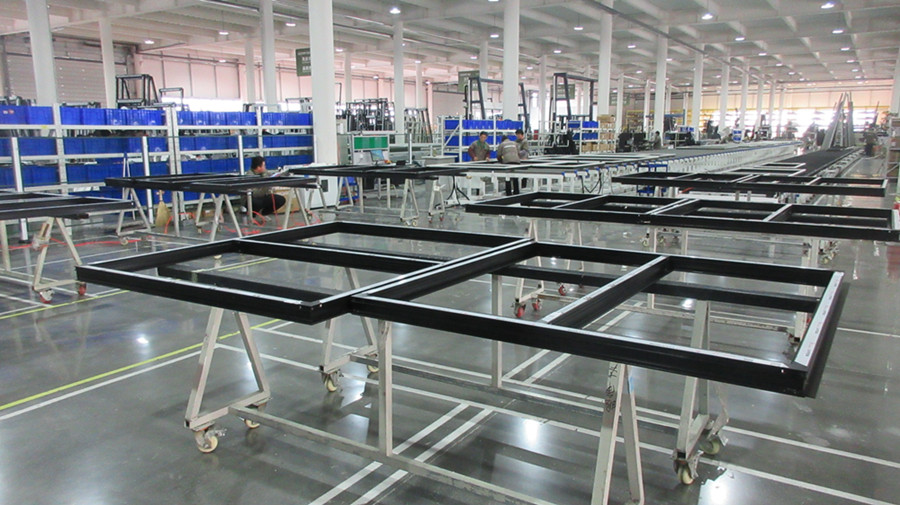
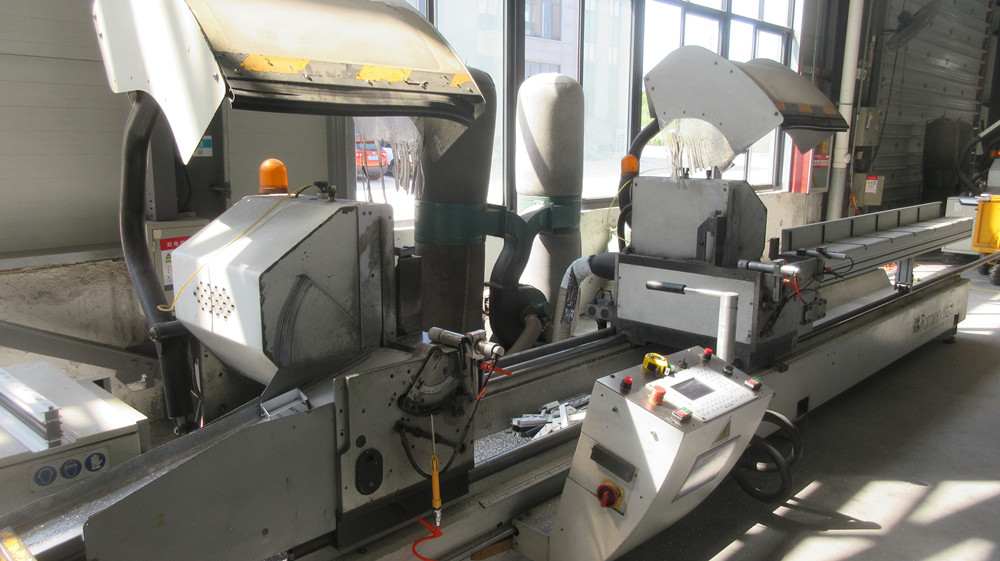
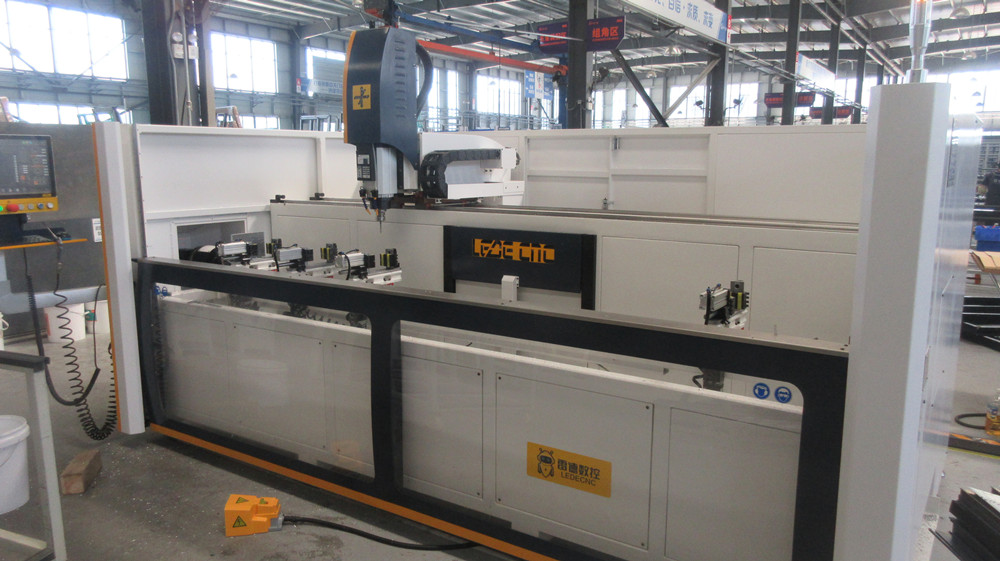
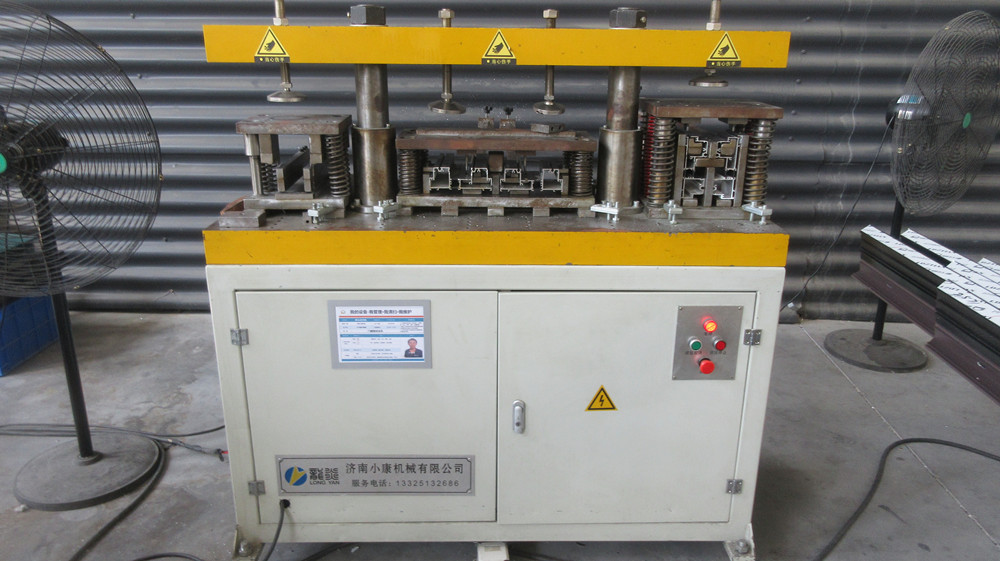
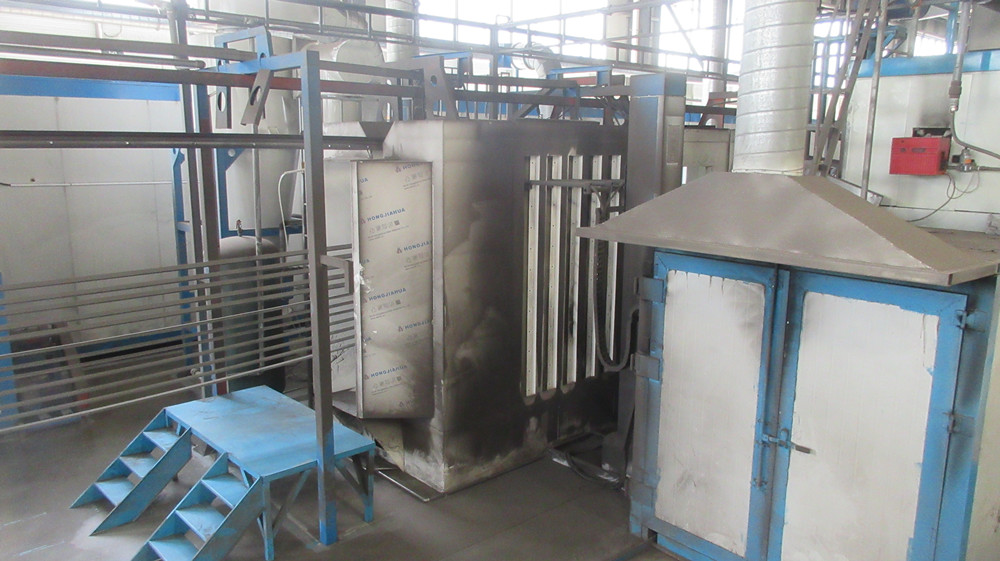
From billet heating and die extrusion to anodizing, thermal break insertion, CNC machining, and automated glazing assembly, every step occurs in-house under strict ISO quality control protocols.
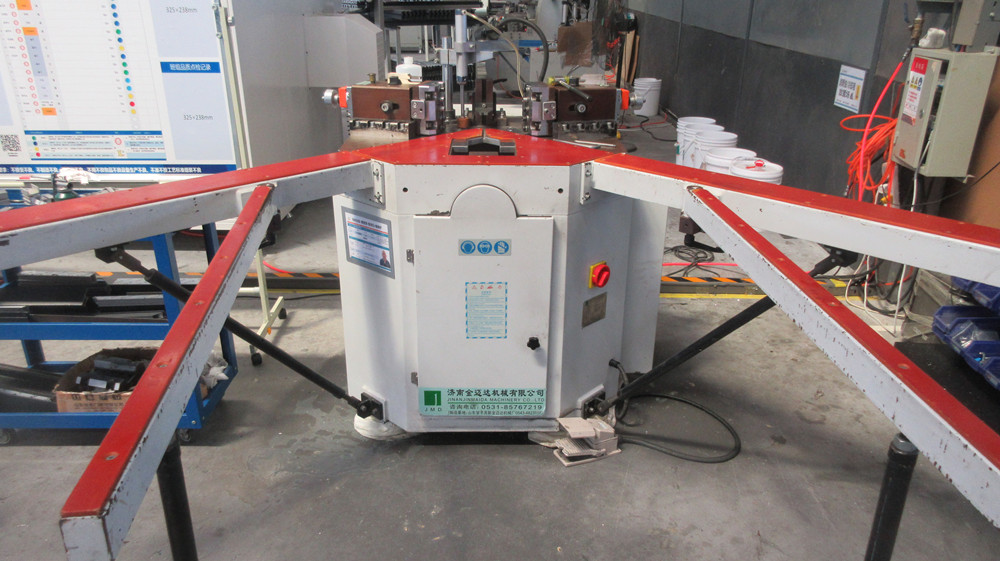
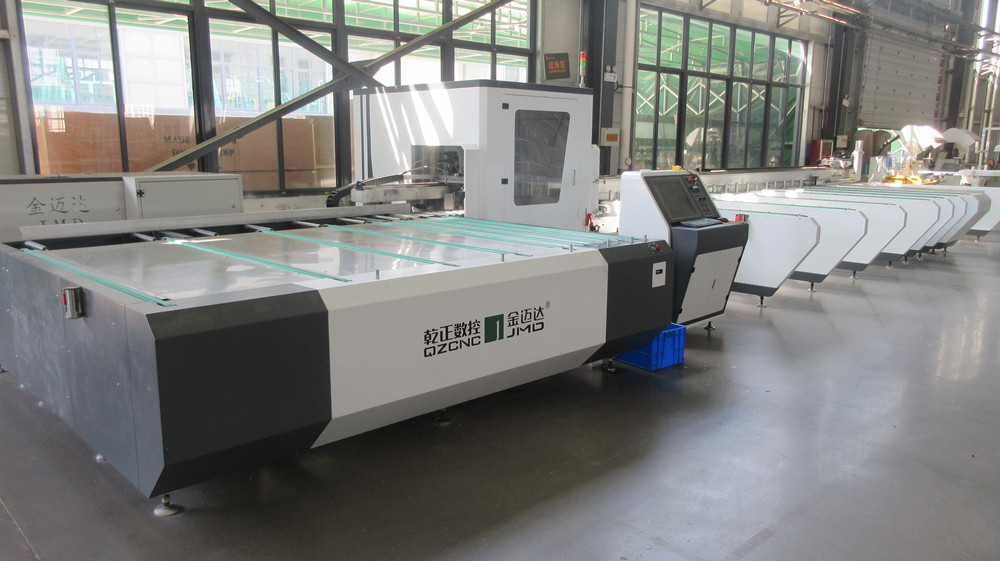
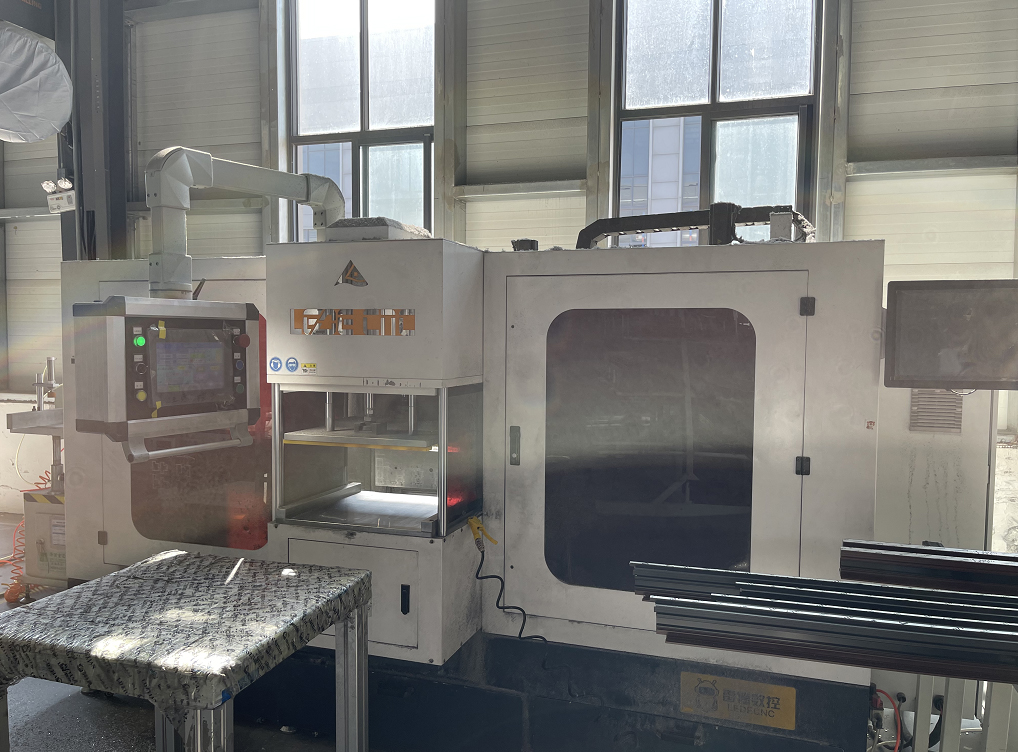
State-of-the-art 5-axis CNC machining centers perform milling, drilling, keyhole routing, and corner crimping with sub-millimeter tolerances, eliminating manual assembly error.
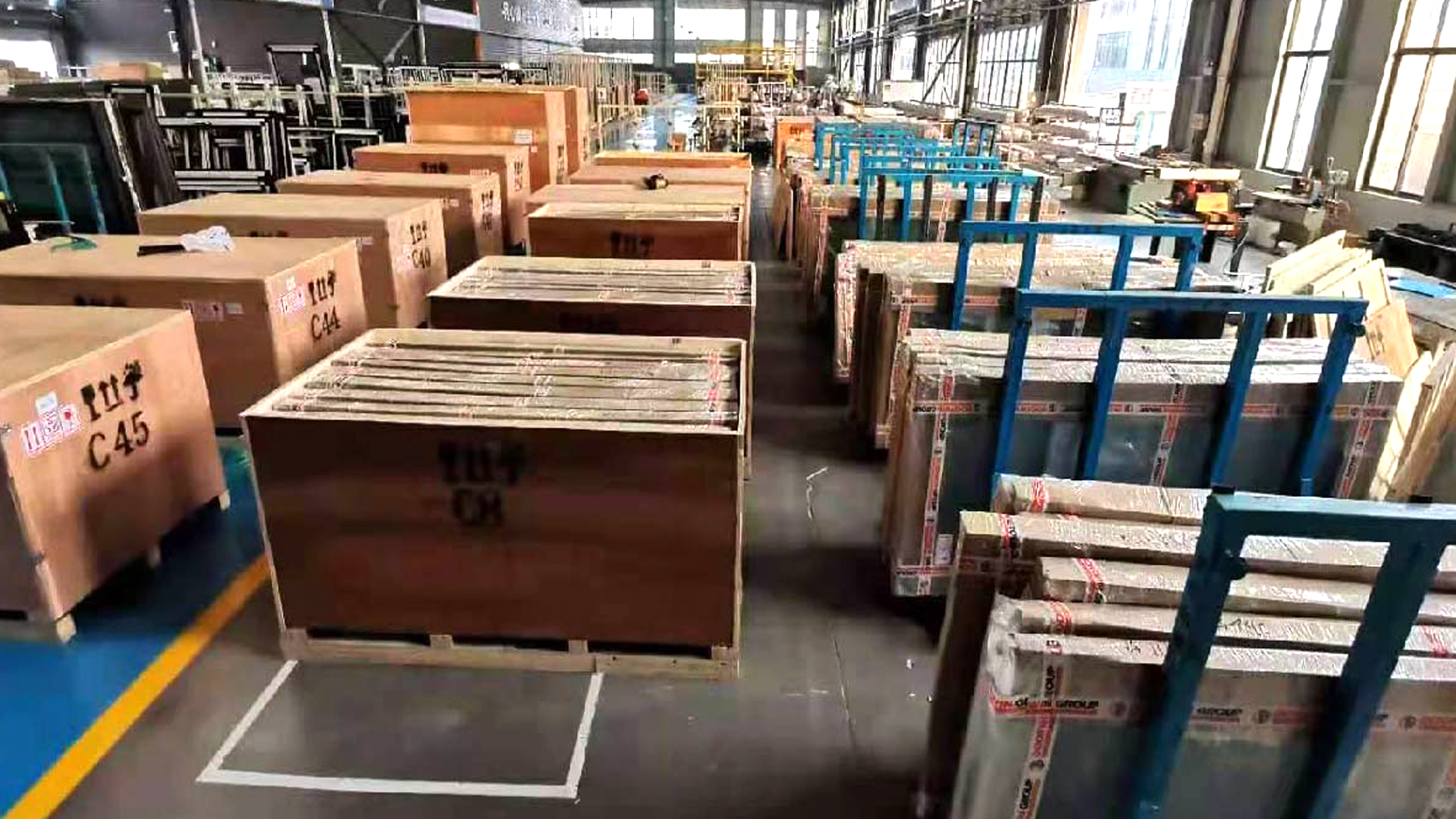
Equipped with automated film wrap lines, customized wooden crate crating, and ISPM-15 compliant heat-treated pallets to guarantee zero damage during trans-oceanic shipping.
Over a decade of manufacturing mastery, powering major B2B supply chains across North America, Eastern Europe, and Central Asia.
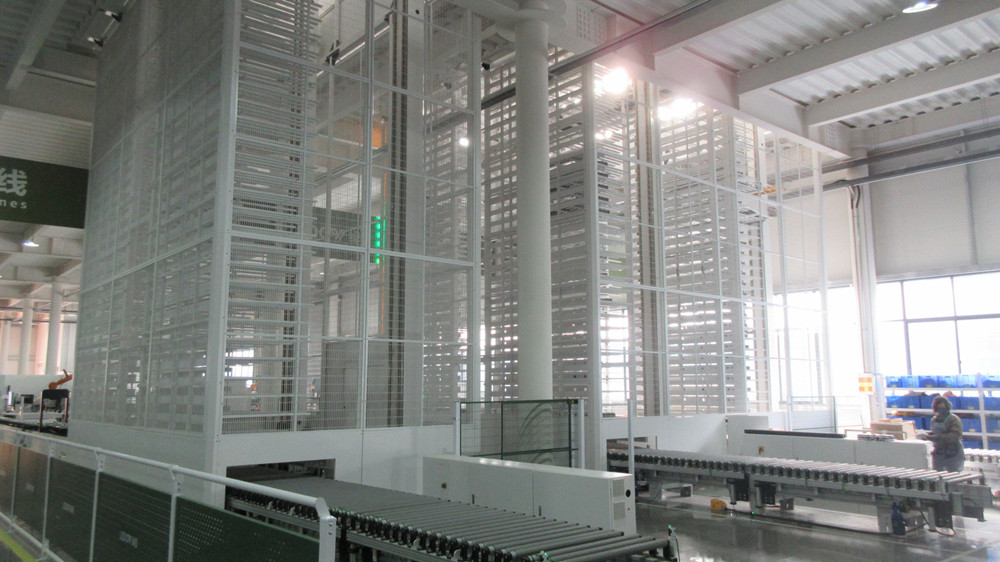
Founded in 2014, ShieldCraft Door Industries Co., Ltd. combines 12 years of industry experience with 4 years of rapid international export growth. Operating from a massive 50,000 sq ft industrial park, we generate over $45 million in annual export sales. Supported by strong international trade capabilities and over 1,800 supply chain partners, we supply leading Home Improvement Chains, Commercial Builders, and Brand Wholesalers across Eastern Europe, Central Asia, and North America. Quality is safeguarded by 95 QC technicians conducting automated optical inspections, impact endurance tests, and multi-point lock alignment checks. With top-tier R&D strength, our team of 210 skilled engineers developed over 600 new models last year, offering full customization options including smart entry system integration, custom RAL colors, and specialized thermal insulation cores.
Ensuring seamless import clearance, building code compliance, and safety certification across targeted international jurisdictions.
Exporting heavy-duty main doors and architectural entry glazing requires navigating strict regulatory frameworks. Trusted factories maintain rigorous pre-testing protocols to ensure products comply with regional fenestration mandates:
NFRC (National Fenestration Rating Council): Standardized testing for U-factor, Solar Heat Gain Coefficient (SHGC), and Visible Transmittance (VT).
Miami-Dade NOA & Florida Product Approval: Required for High-Velocity Hurricane Zones (HVHZ), proving resistance to large missile impacts and static water pressure up to +100/-100 psf.
NAFS (North American Fenestration Standard): Audits structural performance, air infiltration, and water penetration.
AS2047 Standard: Mandatory certification for windows and external glazed doors in buildings, governing structural deflection, air infiltration, water penetration resistance, and ultimate strength tests.
AS1288 Glass in Buildings: Mandates human impact safety glass compliance across all low-level door panels.
CE Marking & EN 14351-1: Mandates declarations of performance regarding load-bearing capacity of safety devices, dangerous substances, acoustic performance, and thermal transmittance.
Passive House Standard (PHI): Certification for door systems reaching total U-values under 0.80 W/(m²K) for ultra-low energy construction.
Tailored engineering configurations designed for diverse global environmental conditions and architectural aesthetics.
Main door systems must be custom-engineered to overcome localized environmental stressors. Below are primary deployment blueprints utilized by global developers:
Key Threat: Salt spray corrosion, high humidity, and tropical storm wind pressure.
Engineering Solution: Heavy-duty 6063-T6 aluminum profiles with 50-micron PVDF fluorocarbon paint coatings (resisting 3,000+ hours of salt spray exposure). Double-glazed laminated glass with SentryGlas® interlayers prevents saltwater corrosion of interior seals.
Key Threat: Extreme traffic volume, structural flex, and continuous cycling fatigue.
Engineering Solution: Extra-wide oversized aluminum pivot doors featuring German Dormakaba or Geze concealed floor pivots capable of supporting 500kg leaf weights, rated for 500,000+ cycle open/close testing.
Key Threat: Sub-zero frost formation, thermal bridging, and heat energy loss.
Engineering Solution: Triple-glazed low-E system with 34mm multi-chamber Polyamide thermal breaks, warm-edge silicone spacers, and argon gas filling, maintaining zero interior frame condensation at -30°C.
A practical checklist for procurement executives to mitigate supply chain risks and ensure product compliance.
Procuring main doors directly from overseas factories offers significant cost efficiencies, but requires a structured quality assurance protocol. Enterprise procurement teams should execute the following 4-stage vetting model:
Demand Mill Test Certificates (MTC) verifying aluminum alloy chemical composition (6063-T6 vs 6061-T6) and wall thickness compliance (minimum 2.0mm for commercial entrance profiles per AAMA standards).
Commission pre-production sample mockups for laboratory air, water, and structural chamber testing. Verify corner crimping strength and epoxied joint sealant uniformity.
Utilize automated optical inspection or 3rd party auditors (SGS/TÜV) to verify dimensional tolerances, glass seal integrity, hardware key cylinder operation, and surface coating film thickness (DFT gauge).
Expert technical answers to common queries raised by general contractors, architects, and international importers.
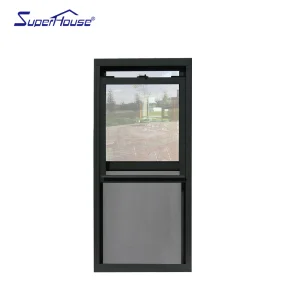
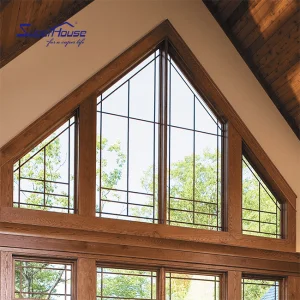
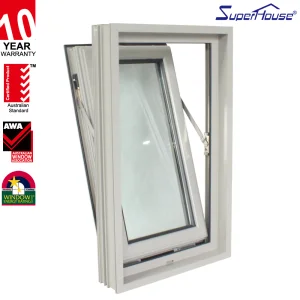
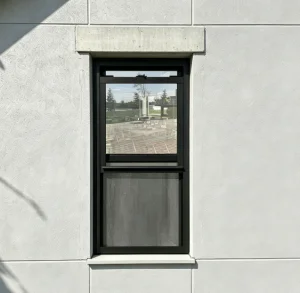
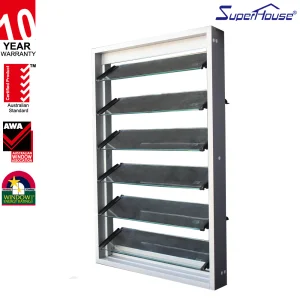
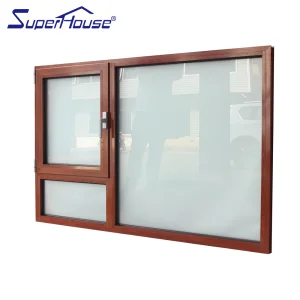
Explore our complete range of certified residential, commercial, and hurricane-rated door and window systems.
 ShieldCraft Doors