Explore our top-tier OEM architectural fenestration lineup designed for high-density residential towers, luxury commercial complexes, and coastal extreme-weather projects.
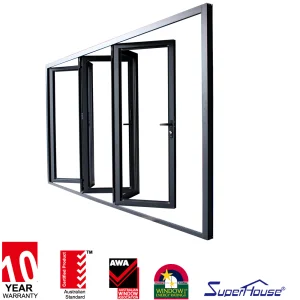
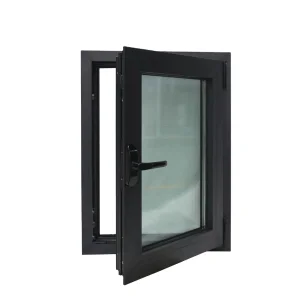
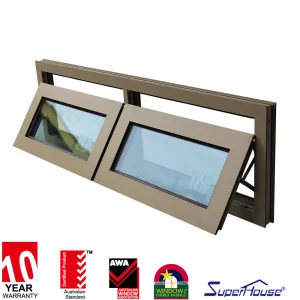
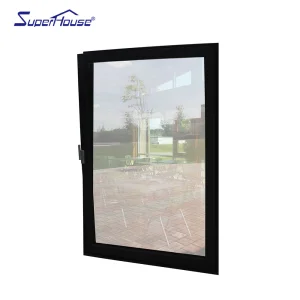
Understanding the macro drivers, environmental compliance mandates, and advanced engineering requirements reshaping the global market for custom OEM tempered glass entry doors.
In modern architectural design, entry door systems have evolved from simple security barriers into sophisticated, high-performance building envelope components. Global demand for high-grade custom OEM tempered glass entry doors is surging across North America, Europe, Central Asia, and the Asia-Pacific region. Driven by stringent municipal energy codes, extreme weather adaptation requirements, and aesthetic preferences toward expansive structural glazing, architectural specifications demand superior mechanical strength, high thermal resistance, sound insulation, and long-term durability.
Commercial developers, general contractors, and fenestration importers face unprecedented structural challenges. Modern entry systems must withstand intense dynamic wind loads (such as those encountered in Florida High-Velocity Hurricane Zones), mitigate urban acoustics, and deliver thermal transmittance values (U-factors) compliant with NFRC, California Title 24, and European Passive House benchmarks. Meeting these multi-variable performance metrics while maintaining scalable production requires sophisticated OEM mass-customization workflows backed by industrial vertical integration.
Fully tempered safety glass provides 4 to 5 times the flexural and impact strength of standard annealed glass, engineered to absorb localized impact energies exceeding 10,000 psi surface compression without structural failure.
Integration of multi-chamber polyamide (PA66 GF25) thermal barrier strips within extruded 6063-T5 aluminum framing effectively eliminates thermal bridging, optimizing HVAC energy retention in severe climates.
Custom laminated double and triple insulated glass units (IGUs) combined with multi-point hardware locks drop sound transmission by up to 42 dB (STC rating), delivering enhanced forced-entry protection.
From thermal tempering chemistry to Low-E vacuum sputtering, explore the precision engineering steps that guarantee maximum structural stability and optical clarity.
The manufacture of commercial-grade tempered glass entry doors is governed by precise thermal dynamics and structural mechanics. Premium float glass undergoes controlled heating to approximately 620°C–680°C inside state-of-the-art horizontal tempering furnaces, followed immediately by high-pressure differential quenching. This rapid cooling process freezes the outer glass surfaces in intense compression while keeping the central core in tension.
This stress distribution profile provides tempered entry doors with extreme resilience. When shattered under extreme overload, the stress differential causes the glass to break into small, blunt-edged dice-like fragments rather than sharp, dangerous shards—meeting global safety glass mandates under ANSI Z97.1, ASTM C1048, and EN 12150 standards.
| Performance Characteristic | Standard Annealed Glass | Heat-Strengthened Glass | ShieldCraft Fully Tempered Glass |
|---|---|---|---|
| Surface Compression Range | < 24 MPa (3,500 psi) | 24 – 52 MPa (3,500 – 7,500 psi) | ≥ 69 to 100+ MPa (≥ 10,000 psi) |
| Bending / Flexural Strength | 40 N/mm² | 70 N/mm² | 120 to 150 N/mm² |
| Thermal Shock Resistance (ΔT) | 40 K | 100 K | 200 K to 300 K |
| Breakage Pattern | Large, sharp fragments | Medium radial fractures | Small, harmless blunt dice (EN 12150) |
| Structural Application | Low-risk interior framing | Spandrel & high solar-load zones | Heavy entry doors, curtain walls, HVHZ impact doors |
Spontaneous glass breakage due to Nickel Sulfide (NiS) inclusions represents a major risk factor in commercial architectural glazing. ShieldCraft subjects 100% of architectural tempered entry glass to accelerated Heat Soak Testing (HST) per EN 14179 standards. By holding tempered glass at 290°C (±10°C) for a minimum of two hours inside calibrated HST chambers, any defective panels containing NiS particles are safely fractured prior to job-site shipping, ensuring near-zero field failure rates for global projects.
How advanced cluster dynamics, automated CNC machinery, and complete vertical supply chain integration deliver superior speed, cost efficiency, and bespoke flexibility.
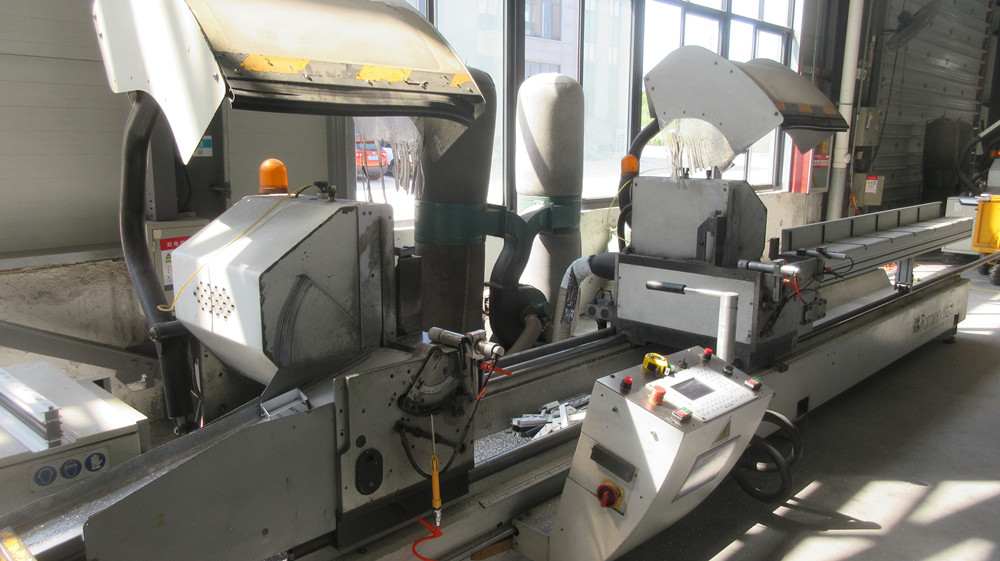
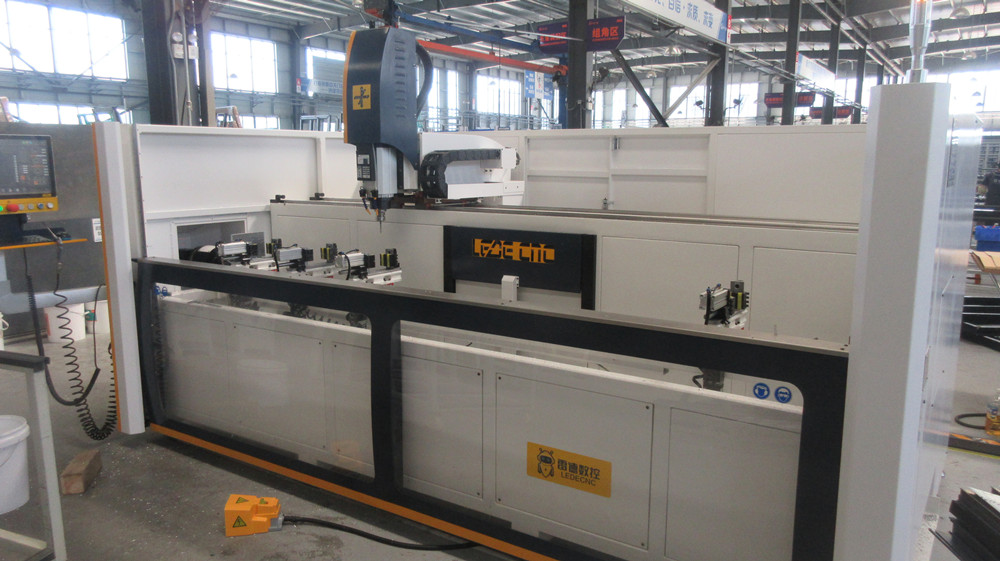
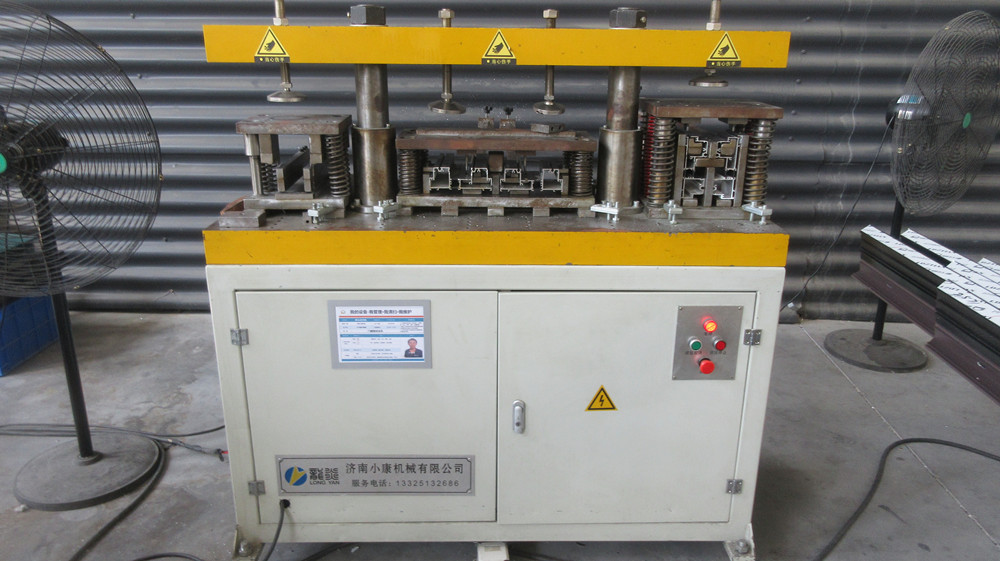
The global construction industry operates on tight delivery schedules and strict cost budgets. China’s advanced fenestration manufacturing ecosystem provides an unbeatable combination of scale economies, precision engineering, and rapid tooling adaptability. Unlike traditional regional manufacturers burdened by fragmented supply chains, Chinese door and window mega-factories aggregate raw material processing, precision aluminum extrusion, glass toughening, anodizing, hardware engineering, and packaging under unified quality systems.
For international buyers—including building product distributors, luxury home developers, and commercial project contractors—sourcing direct from specialized OEM factories provides major competitive benefits:
Rapid engineering turnaround allows custom profile design, specialized thermal breaks, and bespoke glass configurations (ceramic fritting, smart electrochromic glass, triple IGUs) to move from CAD drawing to prototype in under 7 days.
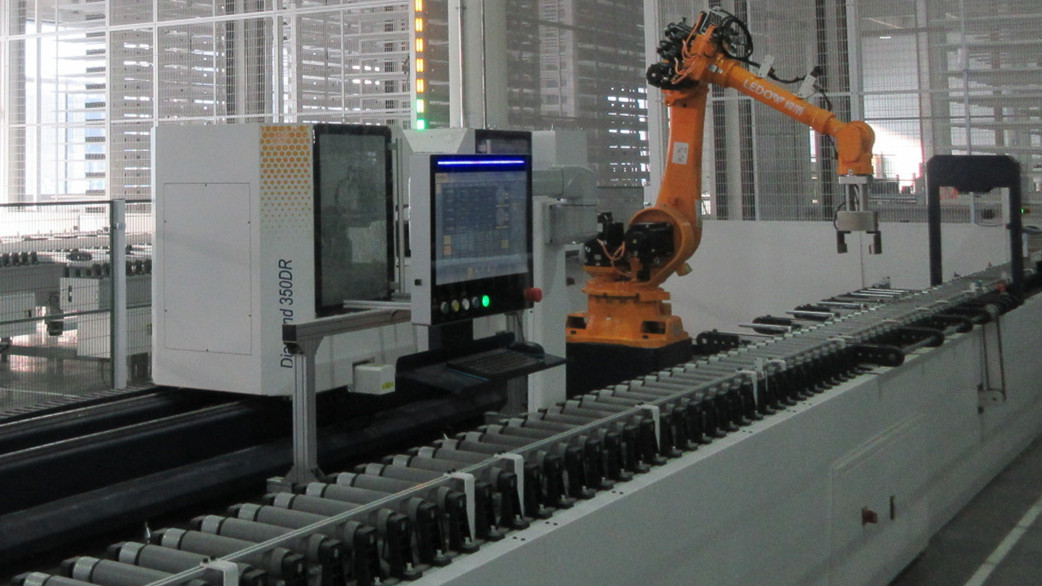
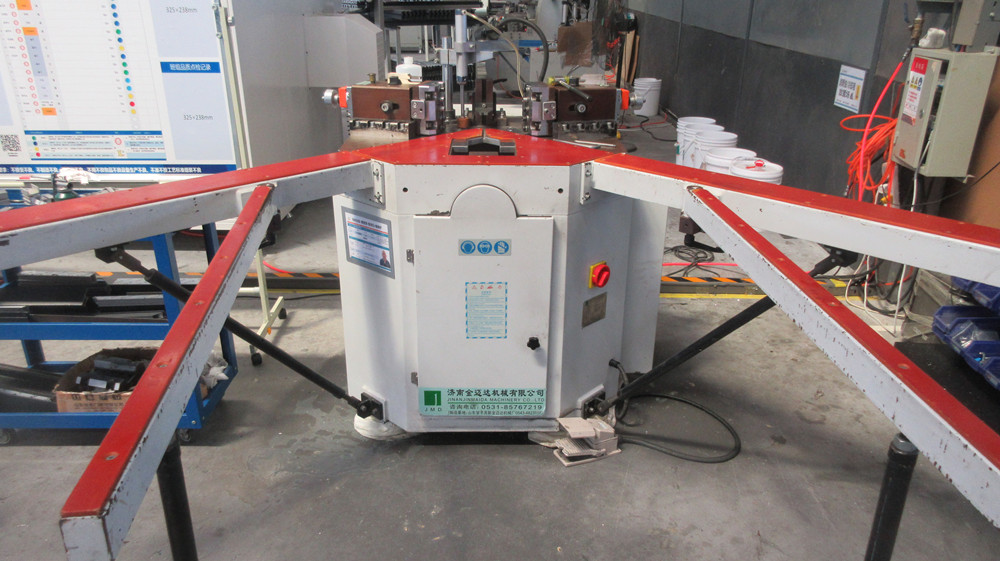
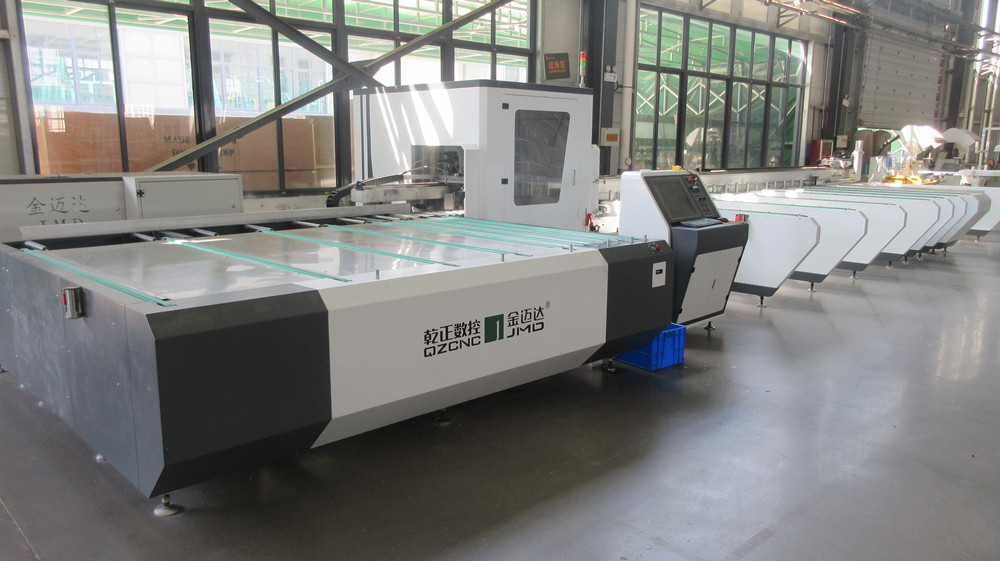
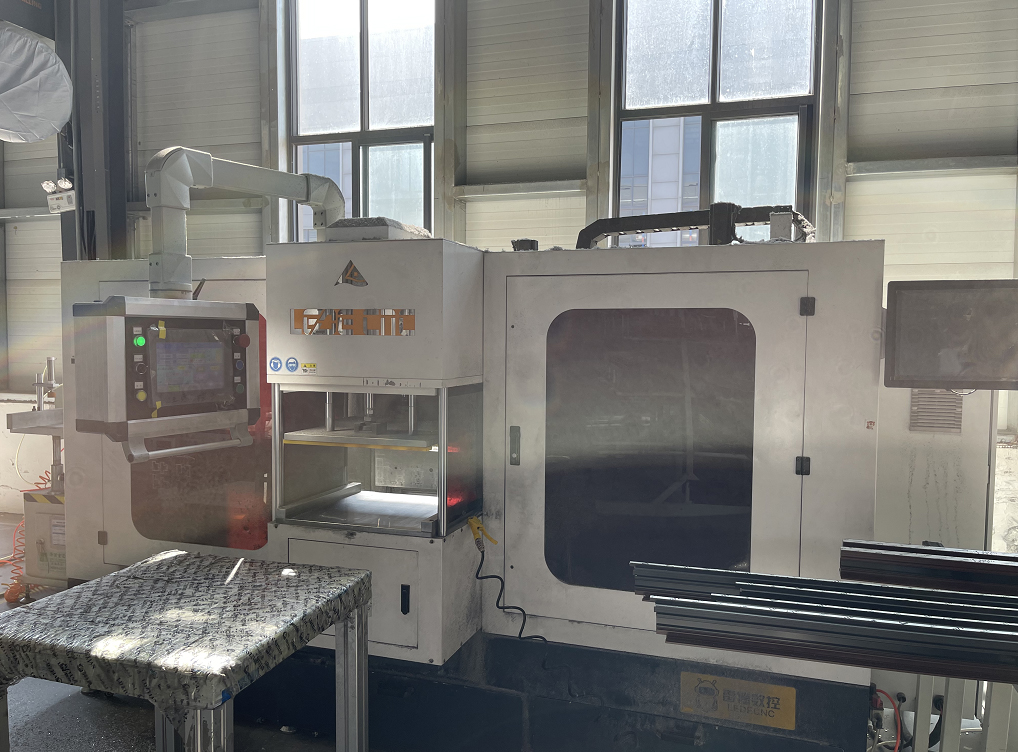
Automated optical inspection (AOI) scanners, multi-axis CNC machining centers, and laser alignment tools guarantee dimensional tolerances within ±0.5mm, eliminating job-site installation friction.
Raw material scale procurement and multi-line automated production reduce unit production costs by 25% to 40% compared to domestic Western fabrication, without compromising performance certifications.
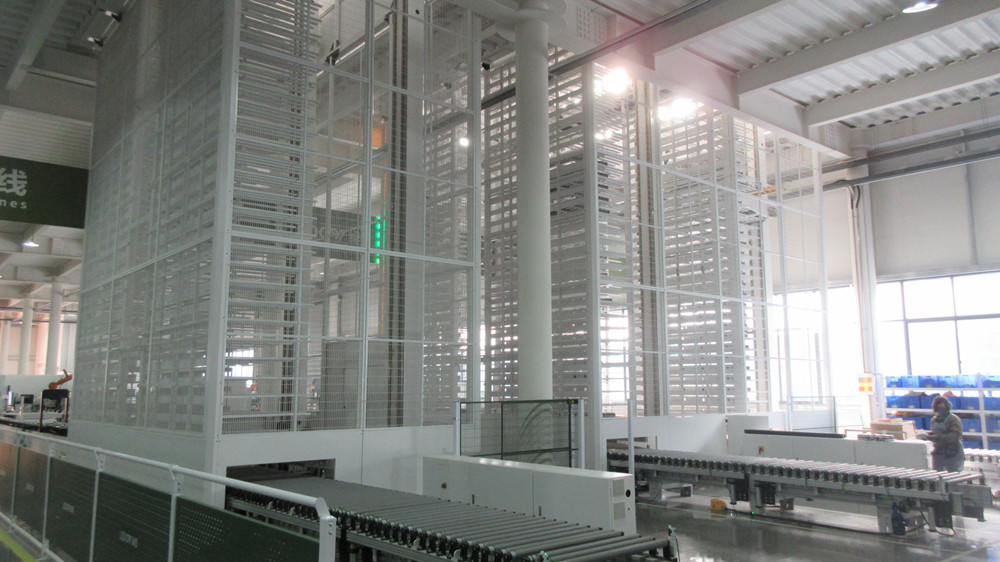
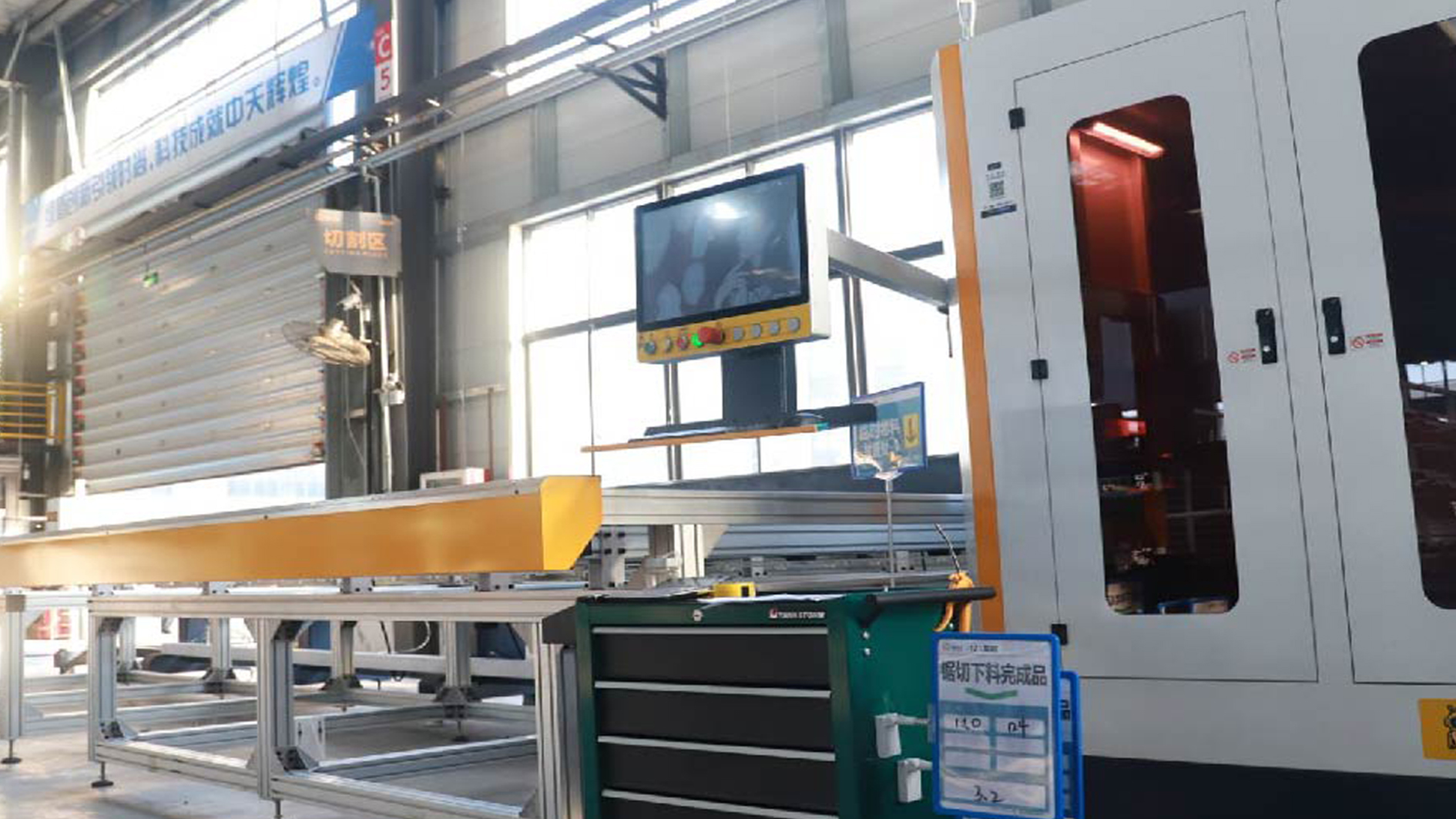
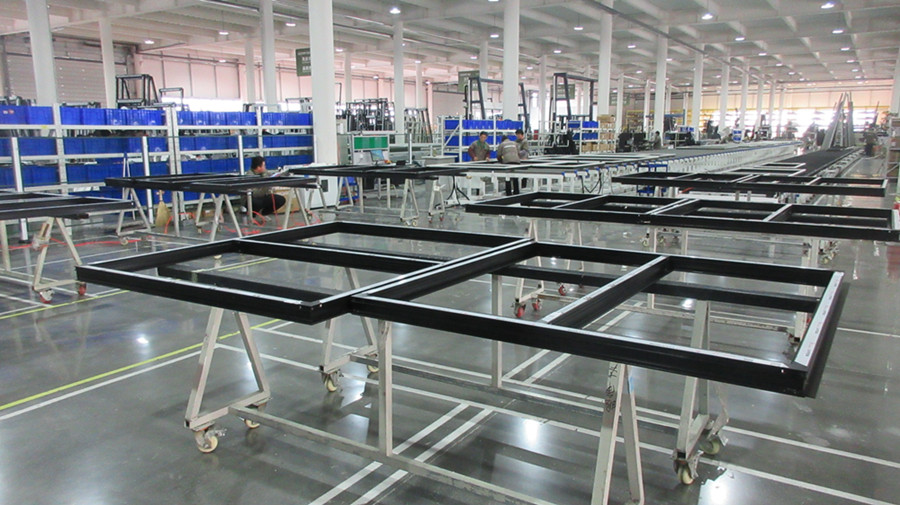
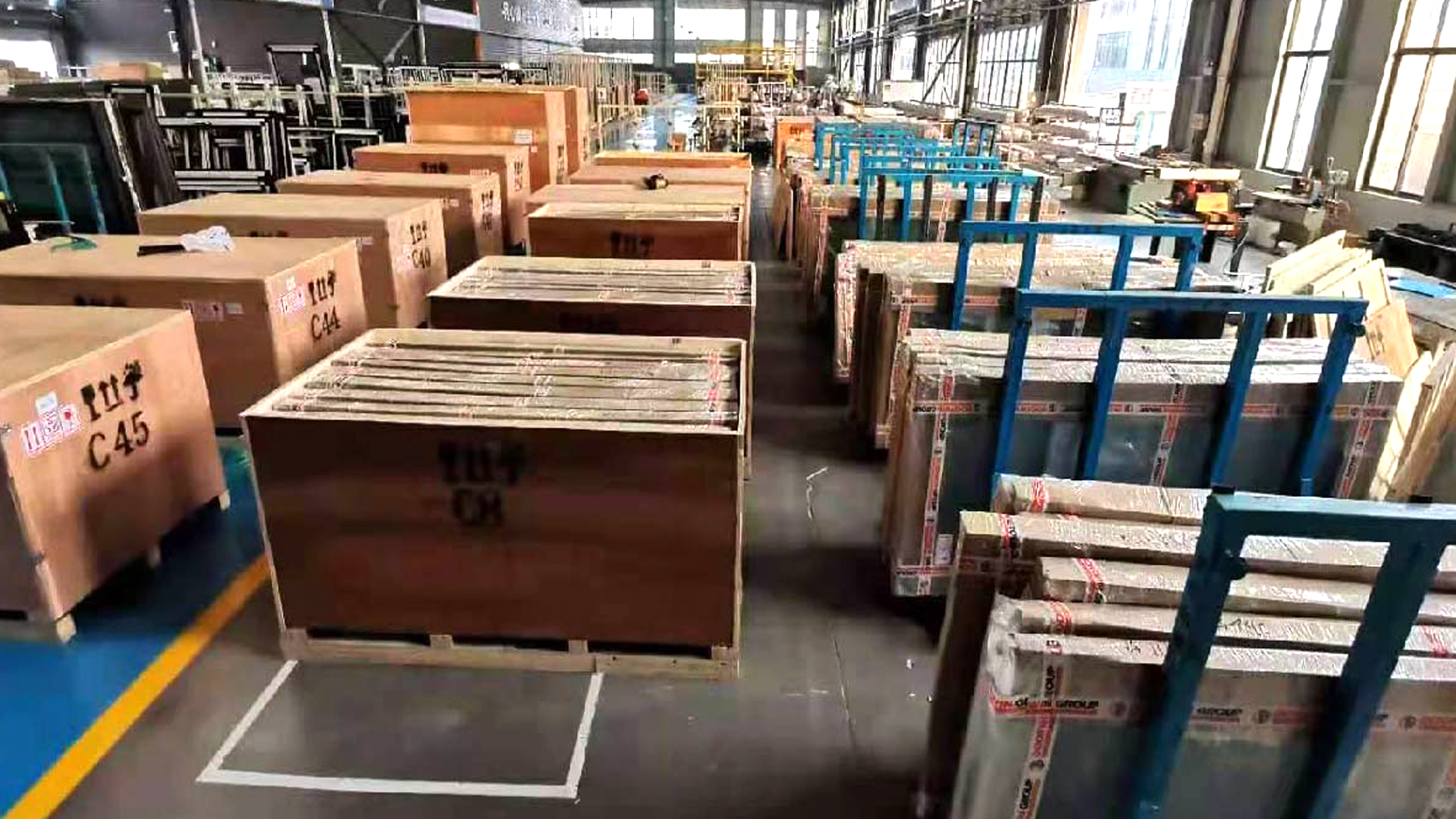
Combining 12 years of industry engineering experience with full automated manufacturing capabilities across our 50,000 sq ft state-of-the-art facility.
Founded in 2014, ShieldCraft Door Industries Co., Ltd. combines 12 years of industry experience with 4 years of rapid international export growth. Operating from a massive 50,000 sq ft industrial park, we generate over $45 million in annual export sales. Supported by strong international trade capabilities and over 1,800 supply chain partners, we supply leading Home Improvement Chains, Commercial Builders, and Brand Wholesalers across Eastern Europe, Central Asia, and North America. Quality is safeguarded by 95 QC technicians conducting automated optical inspections, impact endurance tests, and multi-point lock alignment checks. With top-tier R&D strength, our team of 210 skilled engineers developed over 600 new models last year, offering full customization options including smart entry system integration, custom RAL colors, and specialized thermal insulation cores.
Engineered to fulfill specific performance envelope requirements across distinct global climate zones and regional building codes.
Specially engineered for coastal regions such as Florida, Texas, and the Caribbean. Configured with PVB or SentryGlas® interlayers between double tempered panels, tested under Florida TAS 201/202/203 protocol for large missile impact resistance.
Designed for extreme thermal conservation in Central and Northern Europe. Utilizing triple-pane tempered Low-E glass units with 95% Argon gas fill and 34mm wide polyamide structural thermal breaks, achieving U-factors below 0.80 W/m²K.
Commercial storefronts and hotel entrance portals require continuous high-load operations. Engineered with heavy-duty commercial door closers, panic hardware integration, and ADA-compliant low-profile thermal sills.
Navigating complex global compliance framework to streamline bulk door procurement, freight logistics, and site installation approvals.
B2B procurement officers and engineering directors must verify that imported fenestration products hold validated laboratory certifications. ShieldCraft's manufacturing protocols are benchmarked against the world's most rigorous testing bodies:
Browse our extended product portfolio engineered for sound isolation, high-velocity wind protection, and ultra-clear structural aesthetics.
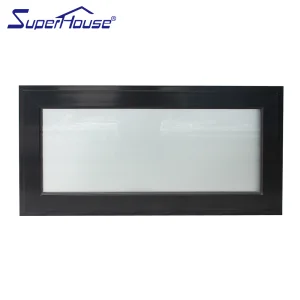
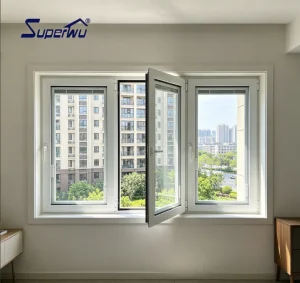
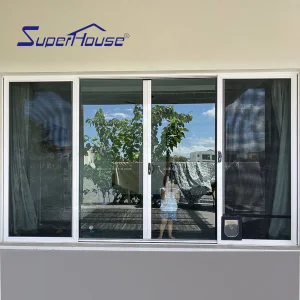
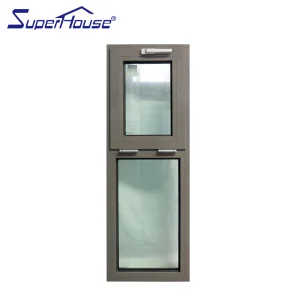
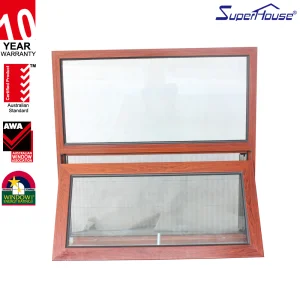
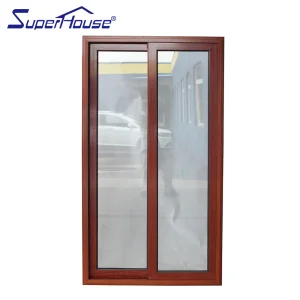
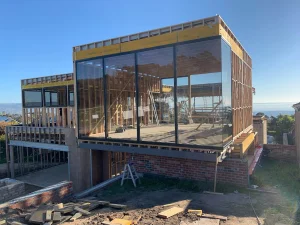
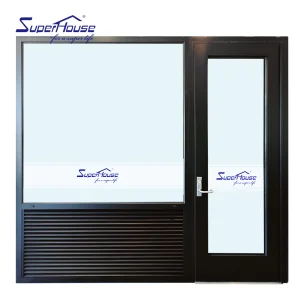
How next-generation material science, smart digital controls, and carbon-neutral manufacturing processes are shaping tomorrow's building envelopes.
Integration of switchable smart glass technologies into OEM entry doors allows instant transitions between optical clarity and total opacity via mobile app, wall switch, or building management systems (BMS).
VIG technology removes gas between glass panes to create a near-total vacuum. This delivers double-pane thermal performance in slim 8.3mm profile profiles, ideal for ultra-minimalist modern architectural designs.
Modern entry portals integrate keyless access solutions, including 3D facial recognition, encrypted RFID keypads, and motorized multi-point lock actuators seamlessly concealed within structural aluminum stiles.
Answers to common technical, commercial, and logistics questions raised by international procurement managers and project architects.
For commercial structural glass entry doors, monolithic tempered glass typically starts at 10mm (3/8") to 12mm (1/2") thickness. For insulated glass units (IGUs) set within aluminum frames, standard configurations use dual 6mm tempered panes with a 12mm Argon-filled cavity (6mm + 12Ar + 6mm), total thickness 24mm. High-velocity hurricane zones (HVHZ) require laminated tempered units such as 6mm Tempered + 1.52mm SGP + 6mm Tempered.
Roller wave distortion occurs during heat softening over tempering furnace ceramic rollers. ShieldCraft minimizes this distortion by utilizing advanced computerized convection heating systems, precision optical monitoring sensors, and specialized fast-cooling air nozzles. We strictly control roller wave deviation below 0.05mm across 300mm length—well within international architectural optical tolerances.
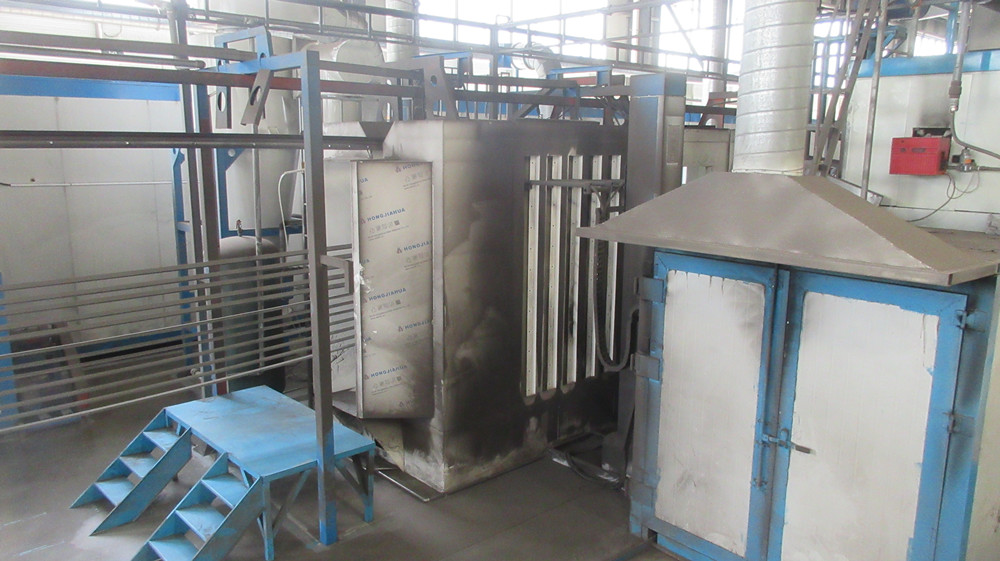
Yes. ShieldCraft operates automated vertical electrostatic powder coating lines and anodizing baths. We provide full customization according to K7 RAL color charts, metallic fluorocarbon (PVDF) finishes per AAMA 2605 specifications, and realistic wood-grain sublimation transfers that withstand extreme UV exposure without fading or chalking.
For standard customized production orders, our factory lead time is typically 25 to 35 calendar days following CAD shop drawing approval and deposit receipt. For complex custom extrusion die creation, add 7 to 10 days for initial mold tooling and prototype extrusion validation.
ShieldCraft utilizes reinforced export-grade IPPC heat-treated wooden crates and steel A-frame containers. Individual glass frames are wrapped in protective polyethylene anti-scratch films, cushioned with high-density EPE foam corner guards, and vacuum-sealed with desiccant packs to prevent condensation fogging during ocean transit.
 ShieldCraft Doors