NFRC & AS2047 Certified High-Performance Aluminum Doors and Windows
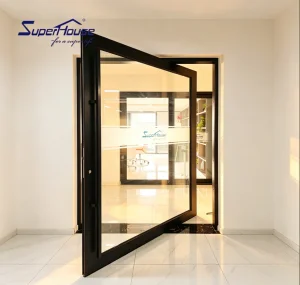
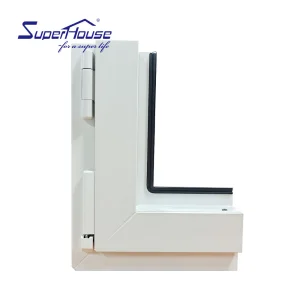
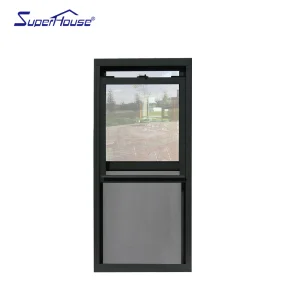
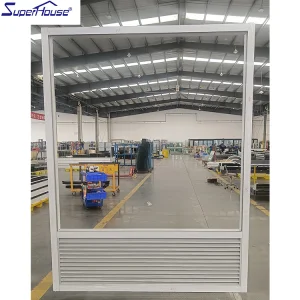
Decarbonization, Building Envelope Physics, and High-Performance Architectural Fenestration
The global market for thermal insulated aluminum door systems is undergoing a seismic paradigm shift driven by stringent municipal energy mandates, net-zero carbon building protocols (such as the EU Energy Performance of Buildings Directive and US Energy Star 7.0 guidelines), and escalating demand for structural longevity in extreme weather zones. Traditionally regarded as an energy-inefficient material due to the inherent thermal conductivity of raw aluminum extruded alloys (approx. 200 W/m·K), modern aluminum door systems have transformed through advanced **Polyamide Thermal Barrier Technology (PA66-GF25)** into high-performance thermal envelopes boasting overall system U-values as low as **0.18 to 0.24 Btu/h·ft²·°F (1.0 to 1.3 W/m²K)**.
According to architectural fenestration market reports, the global market for thermally broken aluminum doors and windows is projected to expand from $58.4 Billion in 2024 to over **$89.2 Billion by 2032**, registering a CAGR of 6.2%. The key catalysts are commercial retrofits, high-density residential towers in North America, coastal hurricane protection zones, and luxury hospitality developments across Central Asia and Europe.
To qualify among the elite global manufacturers, thermal aluminum door fabricators must integrate multiple physics-driven engineering methodologies directly into profile extrusion and assembly pipelines:
Utilizing 25% glass fiber-reinforced Polyamide 66 insulation strips inserted mechanically into dual extruded aluminum profiles, breaking the continuous heat flow pathway while retaining high shear and tensile strength under wind force loads.
Filling structural cavity voids with expanded polyurethane (PU) or aerogel cores to suppress convective heat exchange within the internal profile chambers, critical for cold climate thermal resistance.
Deploying heavy-wall 6063-T6 aluminum alloys coupled with AAMA 2605 compliant Fluorocarbon/D2015 powder coatings to withstand Florida High-Velocity Hurricane Zones (HVHZ) and aggressive salt spray exposure.
Global Standard Manufacturing Excellence & Supply Chain Capacity Showcase
Founded in 2014, ShieldCraft Door Industries Co., Ltd. combines 12 years of industry experience with 4 years of rapid international export growth. Operating from a massive 50,000 sq ft industrial park, we generate over $45 million in annual export sales. Supported by strong international trade capabilities and over 1,800 supply chain partners, we supply leading Home Improvement Chains, Commercial Builders, and Brand Wholesalers across Eastern Europe, Central Asia, and North America. Quality is safeguarded by 95 QC technicians conducting automated optical inspections, impact endurance tests, and multi-point lock alignment checks. With top-tier R&D strength, our team of 210 skilled engineers developed over 600 new models last year, offering full customization options including smart entry system integration, custom RAL colors, and specialized thermal insulation cores.
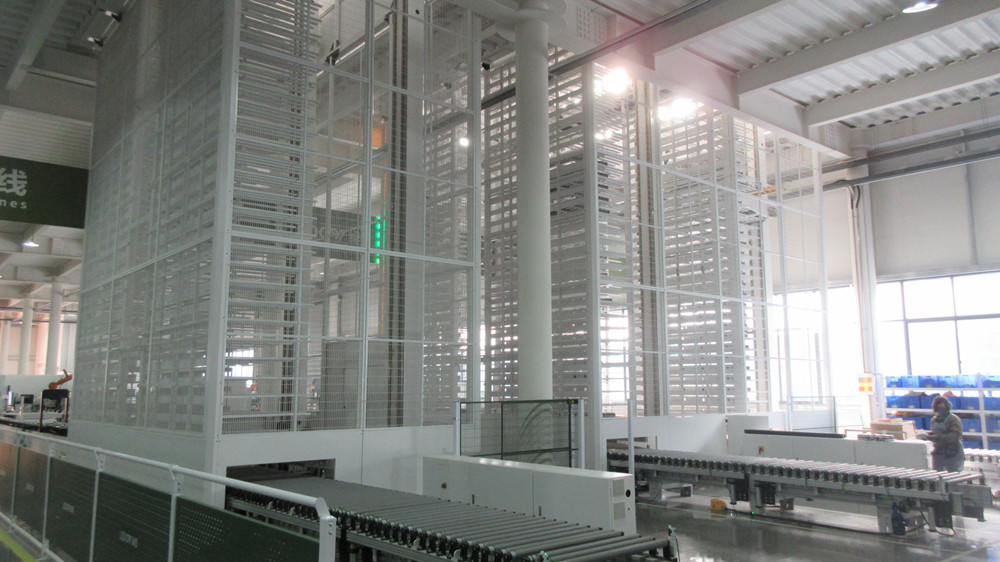 Storage
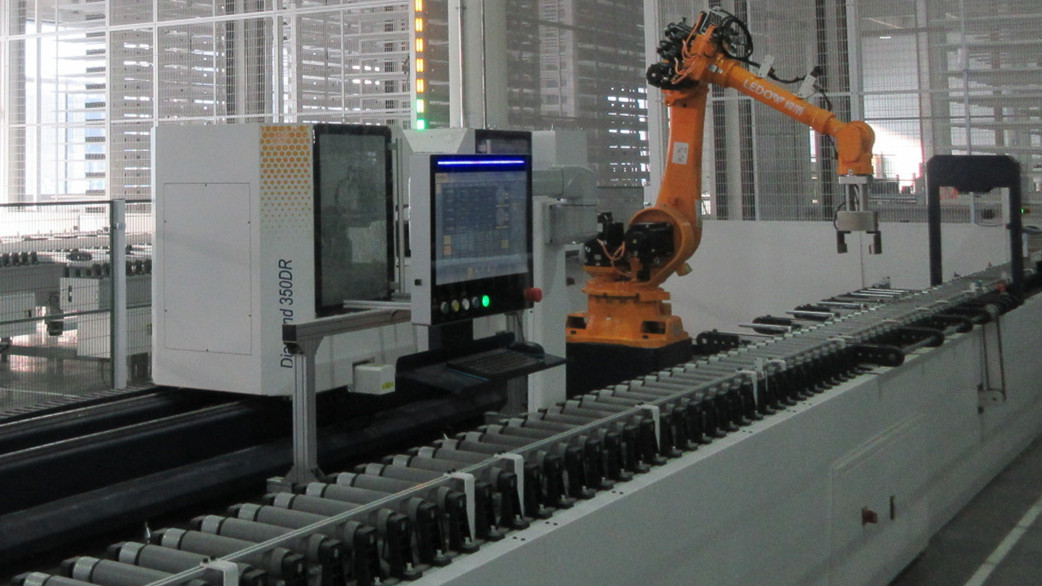 Cutting
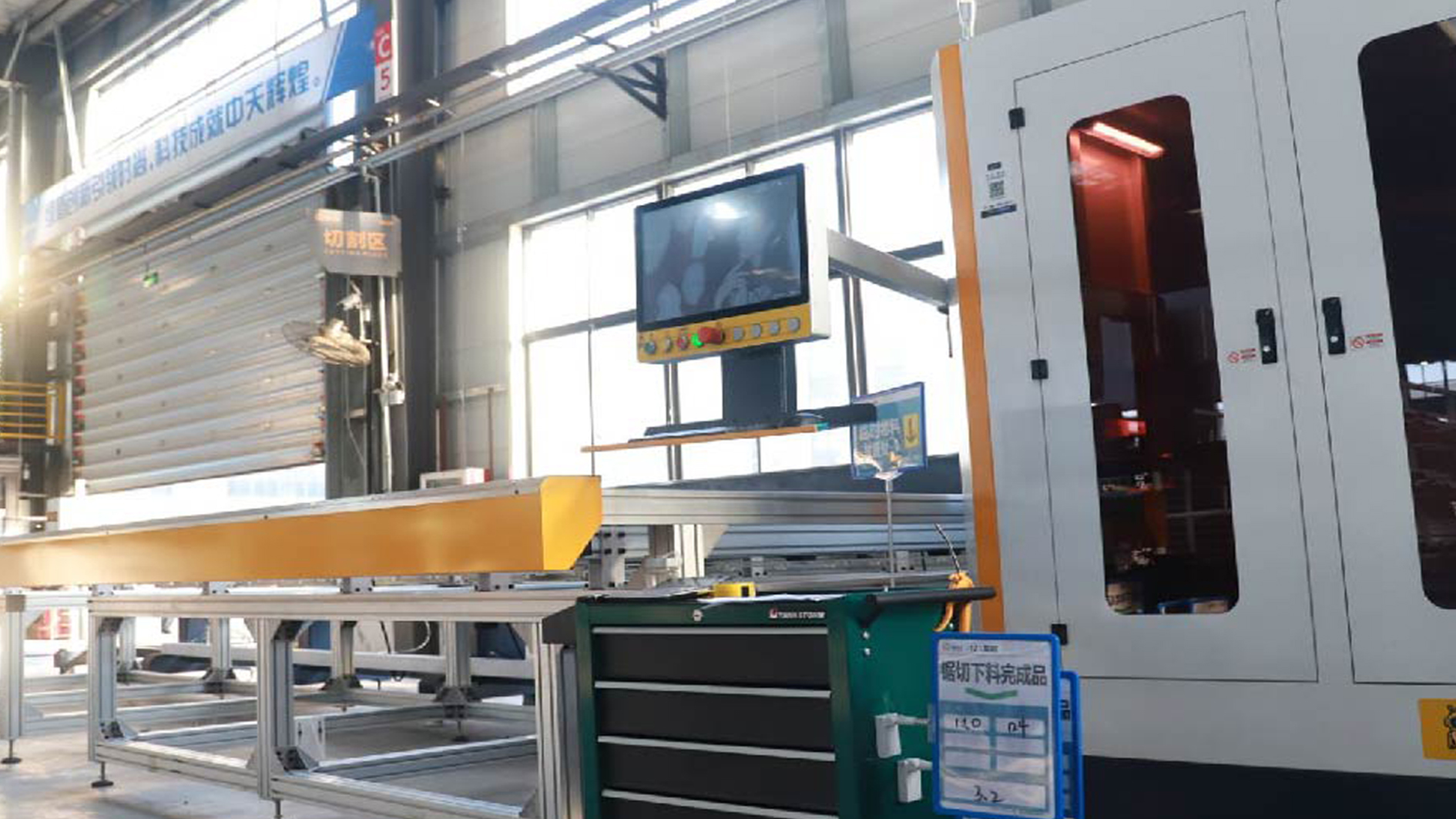 Drilling
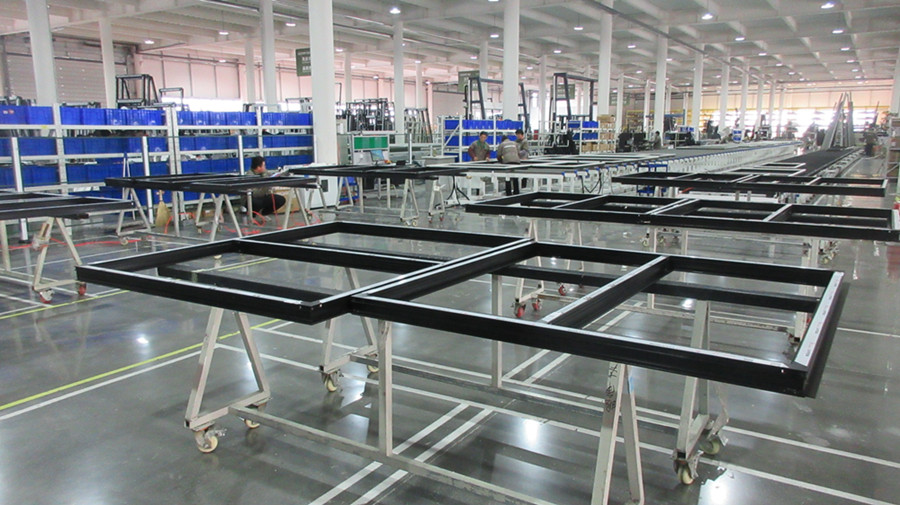 Assembling
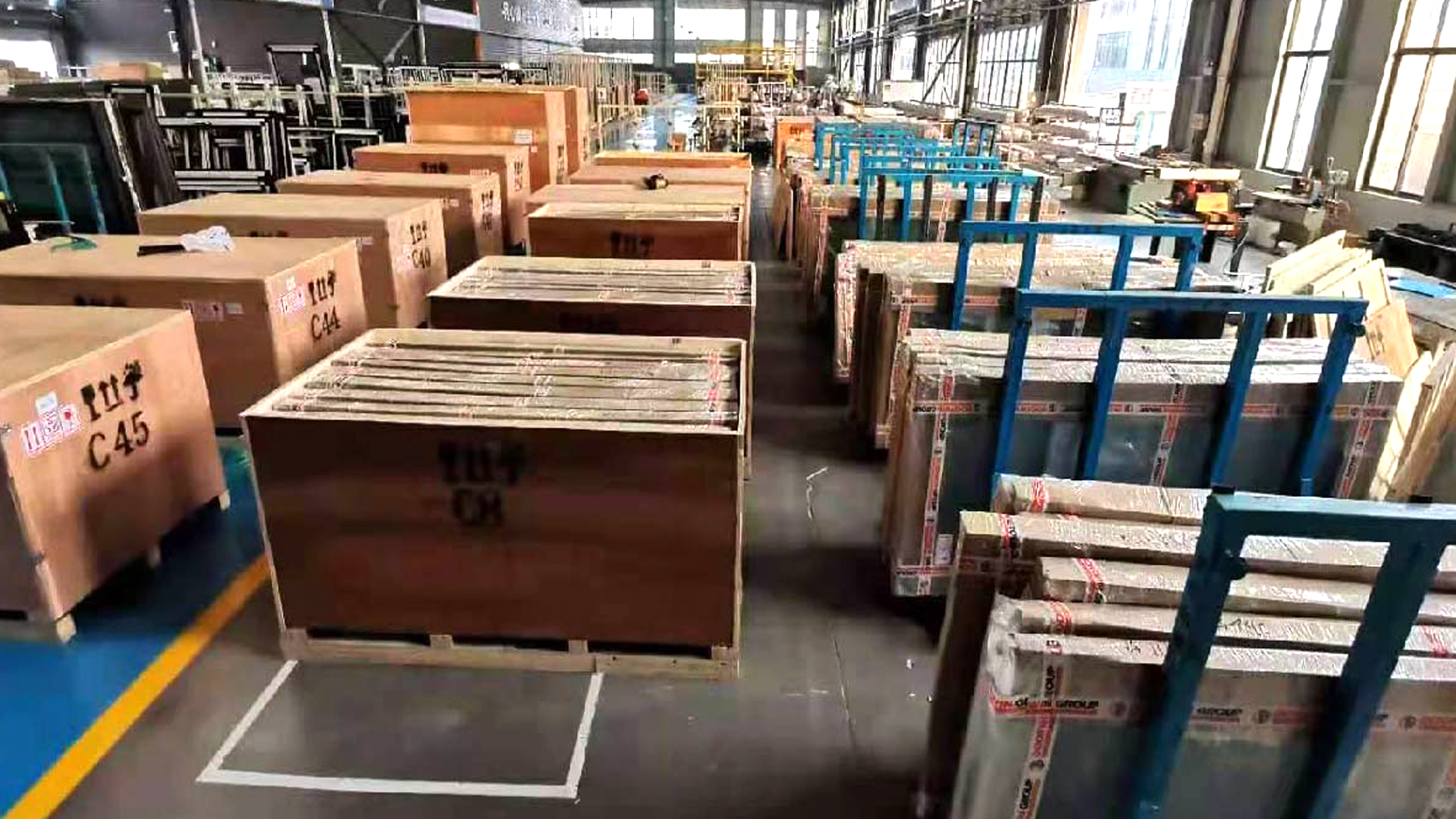 Packaging
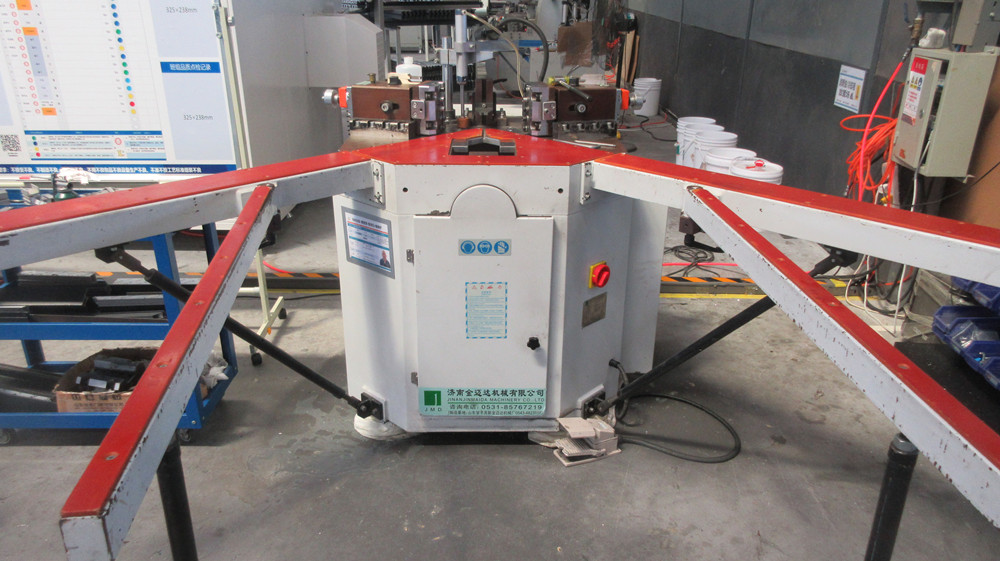 Angle Setting Machine
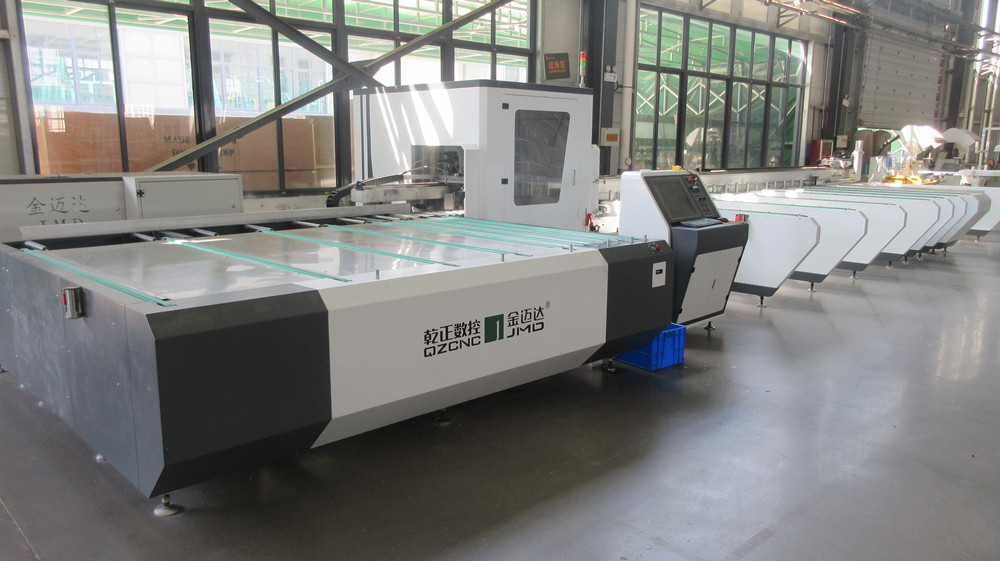 CNC Cutting Machine
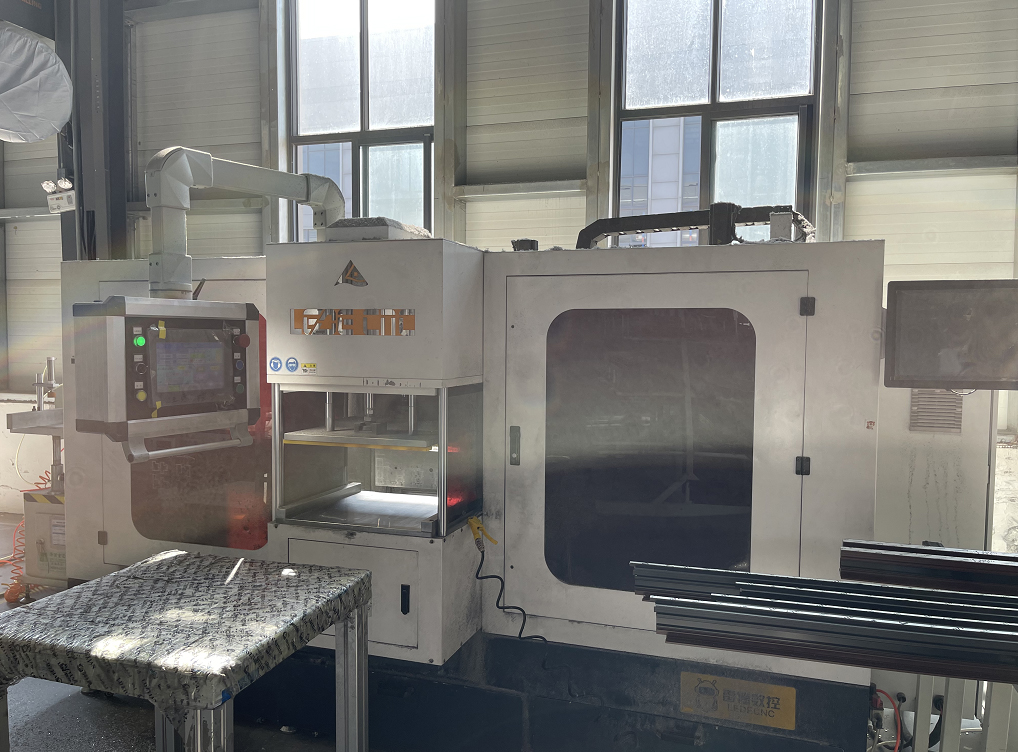 CNC Drilling Machine
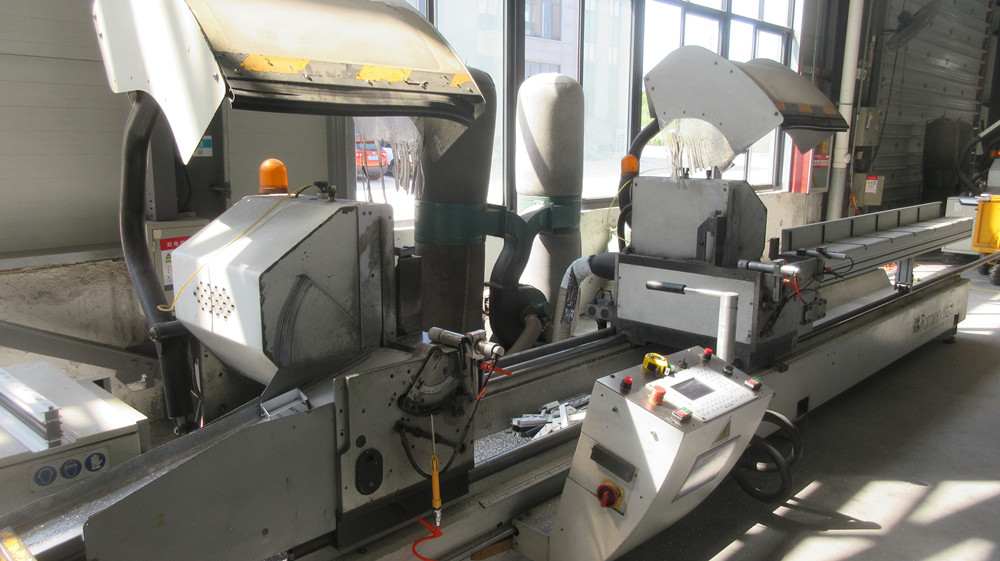 Cutting Machine
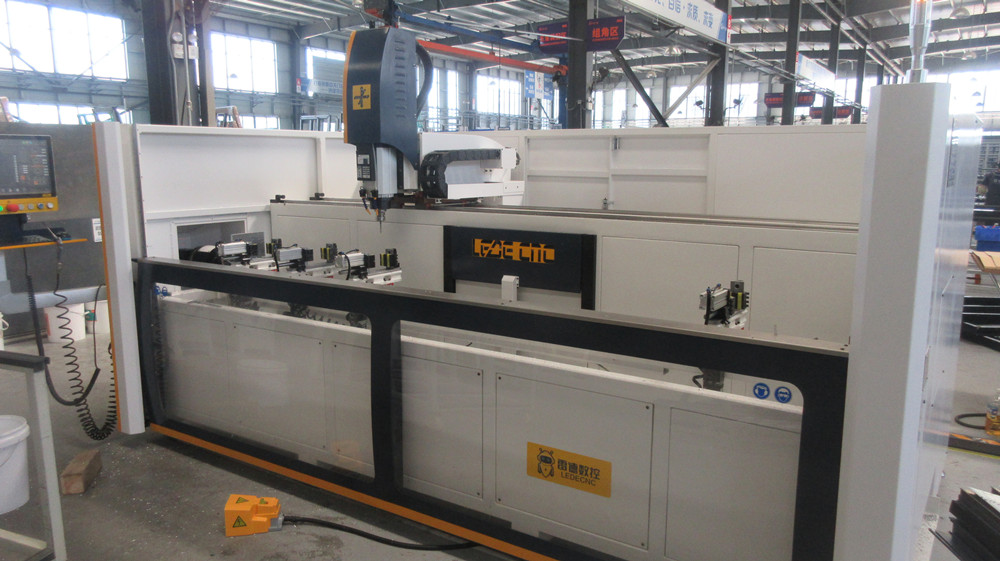 Machining Center
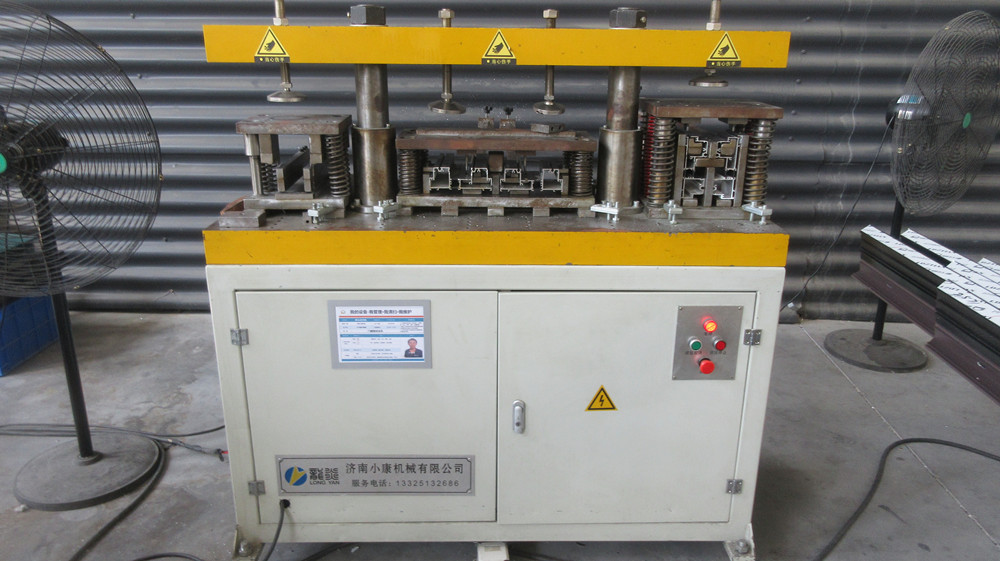 Multi Head Press
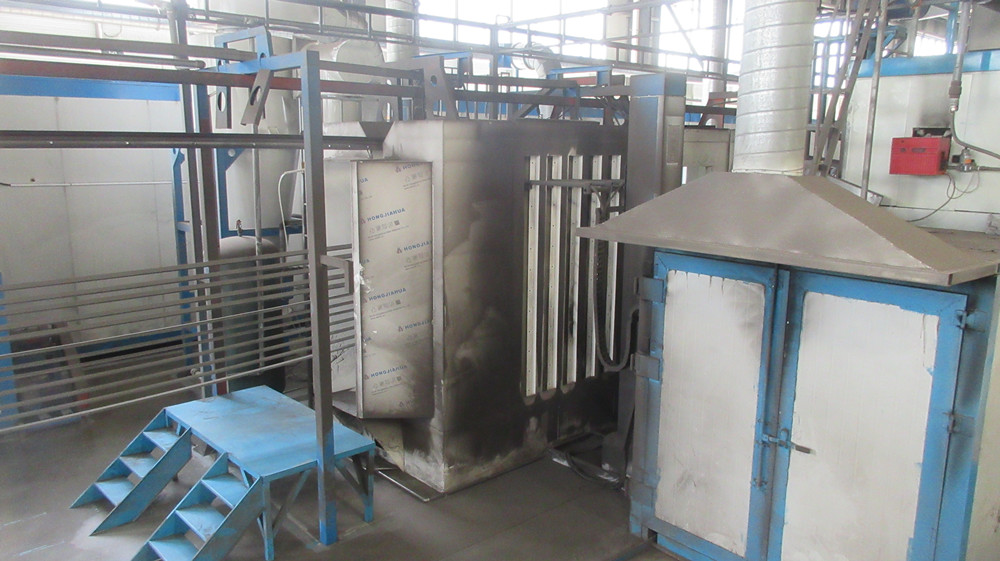 Automated Painting Line
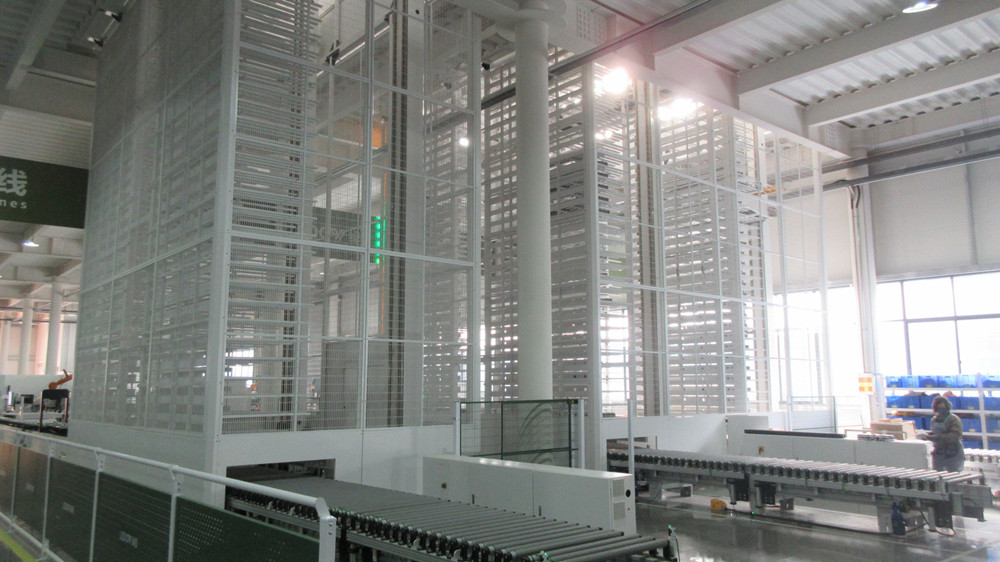 Intelligent Production Line
Strict Engineering Metrics for Selecting Premium Thermal Insulated Door Exporters
Evaluating commercial-grade thermal insulated aluminum door manufacturers requires a holistic assessment beyond basic unit price. Global procurement officers, architects, and master distributors evaluate OEM/ODM partners based on four structural pillars: **Thermal Performance Integrity, Certification Accreditation, Structural Hardware Integration, and Supply Chain Flexibility**.
| Evaluation Vector | Tier-1 OEM Manufacturer Benchmark | Standard Exporting Factory | Procurement Impact |
|---|---|---|---|
| Thermal Break Tech | Polyamide PA66-GF25 (24mm–34mm) + Aerogel Cavity Fill | Standard PVC or low-grade 14mm Polyamide Strip | Reduces thermal conductivity by up to 68%; achieves U-factor < 0.22 |
| Glass System Integration | Double/Triple Glazed Low-E, Argon Gas, Warm-Edge Spacers | Standard Double Glazing with Aluminum Spacer | Controls Solar Heat Gain Coefficient (SHGC) and eliminates perimeter condensation |
| Certification | NFRC Certified, Florida NOA (HVHZ), AS2047, CE Mark | Self-tested / Non-certified factory reports | Guarantees building code compliance in US, Australia, and EU jurisdictions |
| Finishing & Powder Coat | AkzoNobel / PPG Fluorocarbon (PVDF) D2015 Class-2 Coating | Standard Commercial Anodizing / Basic Powder Coating | Ensures 20+ years of color retention and salt-spray corrosion immunity |
| Quality Control (QC) | Automated Optical Inspection + 100% Multi-Point Lock Testing | Manual visual spot-checking | Eliminates on-site installation defects and air/water infiltration failure |
Leading exporters across the globe are distinguished by their ability to provide custom architectural extrusions tailored to local environmental demands. Manufacturers like ShieldCraft Door Industries lead this domain by maintaining full control over the production workflow—from raw aluminum ingot extrusion and CNC precision machining to automated electrostatic painting and thermal bar insertion.
Adapting Thermal Aluminum Door Systems to Regional Climates and Architectural Typologies
High-velocity hurricane zones require extreme structural design pressure ratings (DP60 to DP90) combined with Florida NOA compliance. ShieldCraft’s heavy-duty lift-and-slide doors utilize impact-laminated glass paired with D2015 anti-corrosion coatings to resist salt air and severe wind-driven rain.
In sub-zero climates, mitigating structural heat radiation loss is paramount. Multi-chamber thermal break designs featuring triple-pane Low-E glass units filled with 90% Argon gas prevent perimeter frost and lower commercial heating bills dramatically.
Modern luxury hotels (such as Hilton and Holiday Inn projects) demand high acoustic attenuation (STC 40+ rating) alongside seamless integration with smart electronic keyless access and heavy-traffic automatic door closer hardware.
The thermal aluminum door industry is rapidly converging with **Smart Building Management Systems (BMS)** and advanced materials science. Future technological milestones include:
Expert Insights into Thermal Performance, Certifications, and Customization
A non-thermal break aluminum door uses a solid continuous aluminum frame, which rapidly conducts heat or cold between the exterior and interior, leading to substantial energy loss and interior condensation. A thermally broken door incorporates a reinforced non-metallic insulation strip (such as Polyamide PA66-GF25) physically separating the inner and outer aluminum extrusions. This break interrupts thermal conduction, improving overall energy efficiency by up to 60%.
NFRC (National Fenestration Rating Council) certification is the baseline benchmark in North America for validating standardized U-factor, Solar Heat Gain Coefficient (SHGC), and Visible Transmittance (VT). AS2047 is the rigorous Australian standard regulating wind pressure, water penetration, and air infiltration resistance. Procuring certified products ensures structural safety, code compliance, and smooth customs clearance in target markets.
D2015 (AAMA 2605 compliant) organic fluorocarbon/polyester powder coatings are specifically engineered for intense UV exposure and highly corrosive marine environments. They provide superior resistance to chalking, color fading, salt-air oxidation, and chemical degradation, guaranteeing aesthetics and metal protection for over 15–20 years in severe coastal environments.
Yes. Leading manufacturers like ShieldCraft engineer custom internal profile cavities and CNC-milled structural access ports to integrate smart electronic mortise locks, biometric fingerprint scanners, RFID readers, and motorized concealed closers directly into the insulated frame assembly without compromising thermal or water seals.
Standard custom architectural manufacturing cycles take approximately 25 to 35 calendar days from final shop drawing approval. This includes extrusion profile preparation, CNC precision cutting and drilling, thermal bar insertion, powder coating application, glass unit assembly, and multi-point quality control testing prior to export packaging.
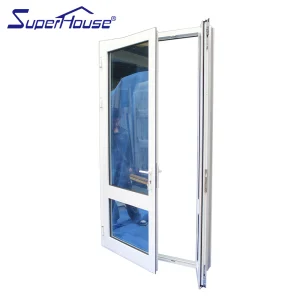
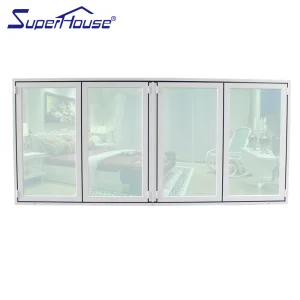
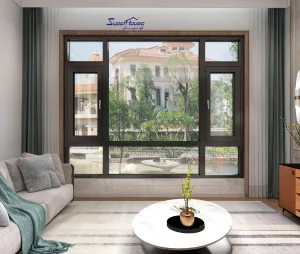
Architectural Solutions Engineered for Modern Commercial and Residential Projects
 ShieldCraft Doors