High-performance architectural aluminum entry doors, tilt-turn systems, and structural glazed solutions optimized for international building codes.
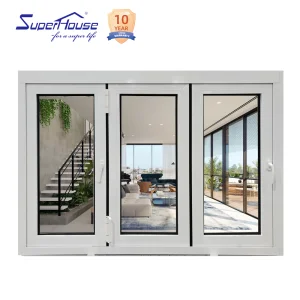
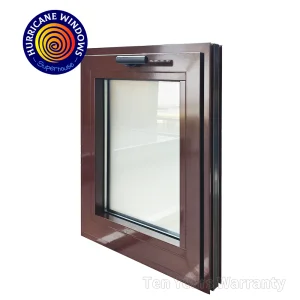
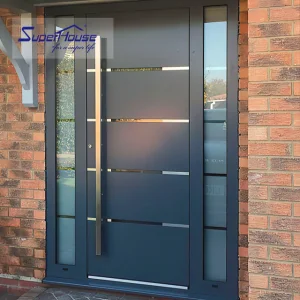
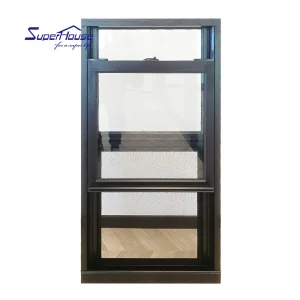
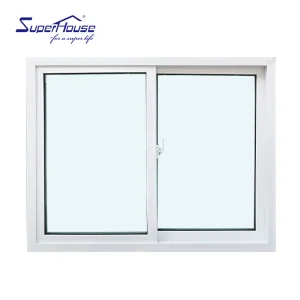
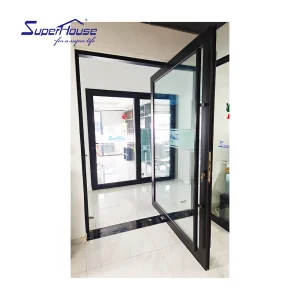
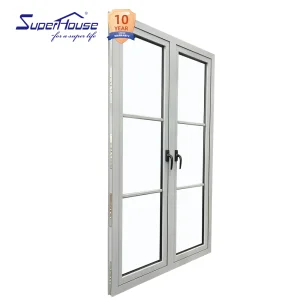
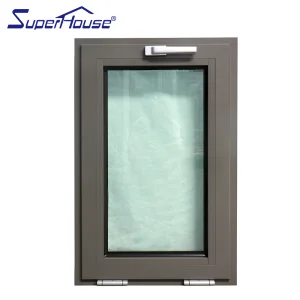
The modern architectural landscape has undergone a paradigm shift, transitioning rapidly from conventional timber and unreinforced vinyl entry systems toward structural aluminum alloy fenestration. Driven by severe global weather trends, strict municipal building energy mandates (such as ASHRAE 90.1, California Title 24, and the EU Energy Performance of Buildings Directive), and rising consumer demand for expansive indoor-outdoor living transitions, modern aluminum glass entry doors have evolved from mere access points to highly engineered structural components.
Architectural aluminum—specifically 6063-T5 and T6 structural temper alloys—offers an unmatched strength-to-weight ratio. This metallurgical superiority enables ultra-narrow frame sightlines capable of supporting massive multi-layer insulated glass units (IGUs) weighing upwards of 300 kilograms without compromising long-term frame sag, structural deflection, or operational smoothness. However, raw aluminum’s inherent thermal conductivity previously represented a dynamic challenge. Contemporary Chinese OEM and ODM manufacturers have solved this via advanced thermal breaking technology, embedding polyamide PA66 fiberglass-reinforced insulating strips (such as Technoform bar systems) directly between interior and exterior aluminum profiles.
Leading Chinese fenestration suppliers utilize Finite Element Analysis (FEA) and THERM 7.8 software to model isotherm pathways across complex profile cross-sections. By filling internal profile chambers with high-density polyurethane (PU) foam cores and pairing them with triple-glazed Low-E glass units containing 90%+ Argon gas fills and warm-edge TGI spacers, modern Chinese entry door assemblies achieve overall system U-factors as low as 0.78 W/m²·K (0.14 BTU/h·ft²·°F), satisfying Passive House standards in extreme cold zones.
For international real estate developers, commercial contractors, and wholesale distributors, sourcing aluminum glass entry doors from China requires absolute compliance with regional building standards. A top-tier Chinese manufacturer must operate beyond simple design aesthetics, possessing rigorous structural, wind load, acoustic, and impact testing verifications from accredited third-party laboratories (e.g., Intertek, CSA, UL, and TUV Rheinland).
| Target Region / Market | Mandatory Regulatory Standard | Key Engineering Criteria | Target Applications |
|---|---|---|---|
| North America (USA & Canada) | NFRC 100/200/400, AAMA/WDMA/CSA 101/I.S.2/A440, Miami-Dade NOA, Florida FPA | Design Pressure (DP50-DP100), Large Missile Impact (ASTM E1886/E1996), SHGC < 0.25, Air Infiltration < 0.1 cfm/ft² | High-rise commercial, coastal hurricane zones, luxury suburban residential |
| European Union & UK | CE Marking, EN 14351-1, UKCA Mark, BS 6375 | Acoustic performance (STC up to 45dB), Burglar Resistance Class (RC2/RC3 per EN 1627), Thermal U-value ≤ 1.0 W/m²K | Modern urban infill, low-energy housing, commercial storefronts |
| Australia & New Zealand | AS2047, AS1288, WERS Energy Rating | Ultimate Limit State (ULS) wind pressure testing, water penetration resistance up to 700 Pa, high-UV resistant powder coating | Coastal luxury villas, commercial office towers, multi-family mid-rises |
| Middle East & GCC Region | SASO, Gulf Conformity Mark (G-Mark) | Thermal barrier stability under extreme ambient heat (50°C+), dust-proof EPDM weather-stripping seals, anti-abrasion PVDF coating | Commercial complexes, institutional facilities, desert luxury estates |
Procurement teams prioritizing total cost of ownership (TCO) evaluate not only unit cost FOB China ports but also the structural longevity and lifecycle warranty of hardware mechanisms. Advanced multi-point locking systems engineered from 304/316 marine-grade stainless steel ensure that massive double casement or pivot entry doors resist forced entry and maintain airtight weather seals even under cyclic differential pressure.
China's transformation into the world’s dominant high-end fenestration exporter is anchored by massive industrial clusters, full vertical integration, and Industry 4.0 automated manufacturing. Unlike fragmented regional workshops, Tier-1 Chinese factories manage the complete manufacturing value chain under one roof: from raw aluminum billet extrusion, chemical anodizing, and fluorocarbon (PVDF) electrostatic spraying, to precision CNC machining, IGU insulated glass assembly, and automated testing.
Modern production facilities leverage multi-axis automated CNC machining centers for milling, drilling, and routing hinge and smart-lock pockets with sub-millimeter tolerances (+/- 0.1mm). Dynamic corner crimping machines coupled with dual-component structural polyurethane corner keys yield monolithic structural strength at frame joints, eliminating air leakage and frame racking during transit.
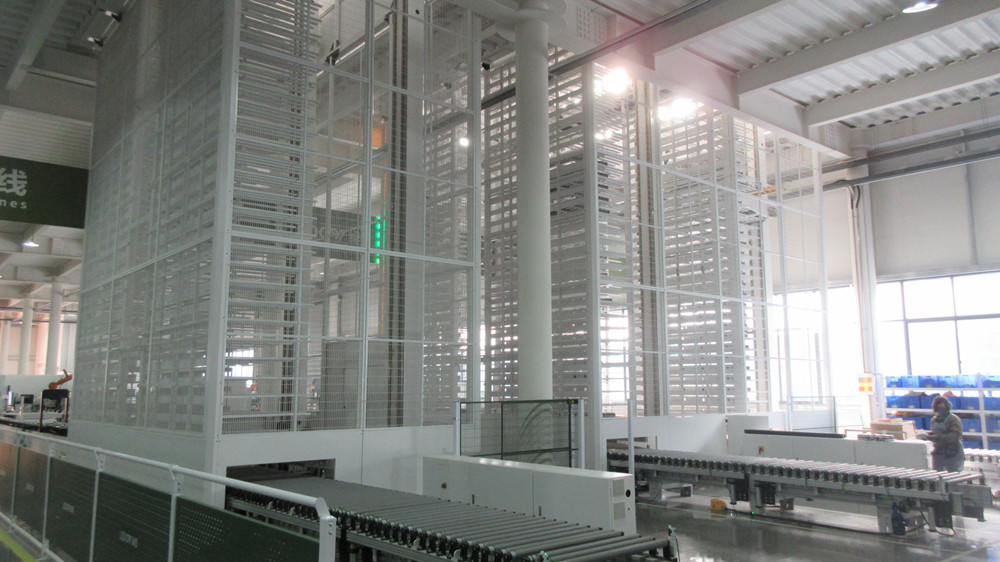 Raw Material Storage
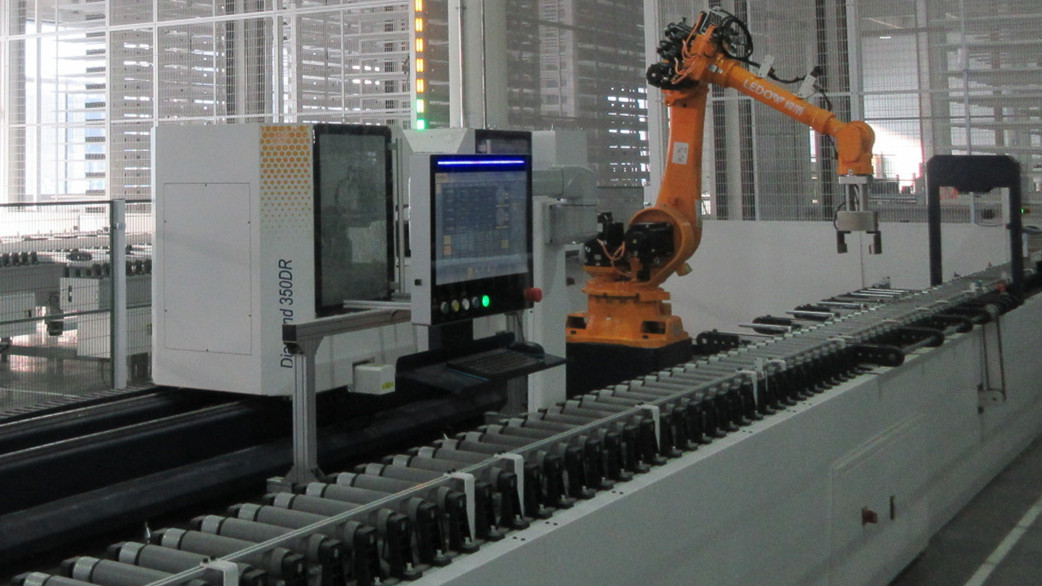 Precision Cutting
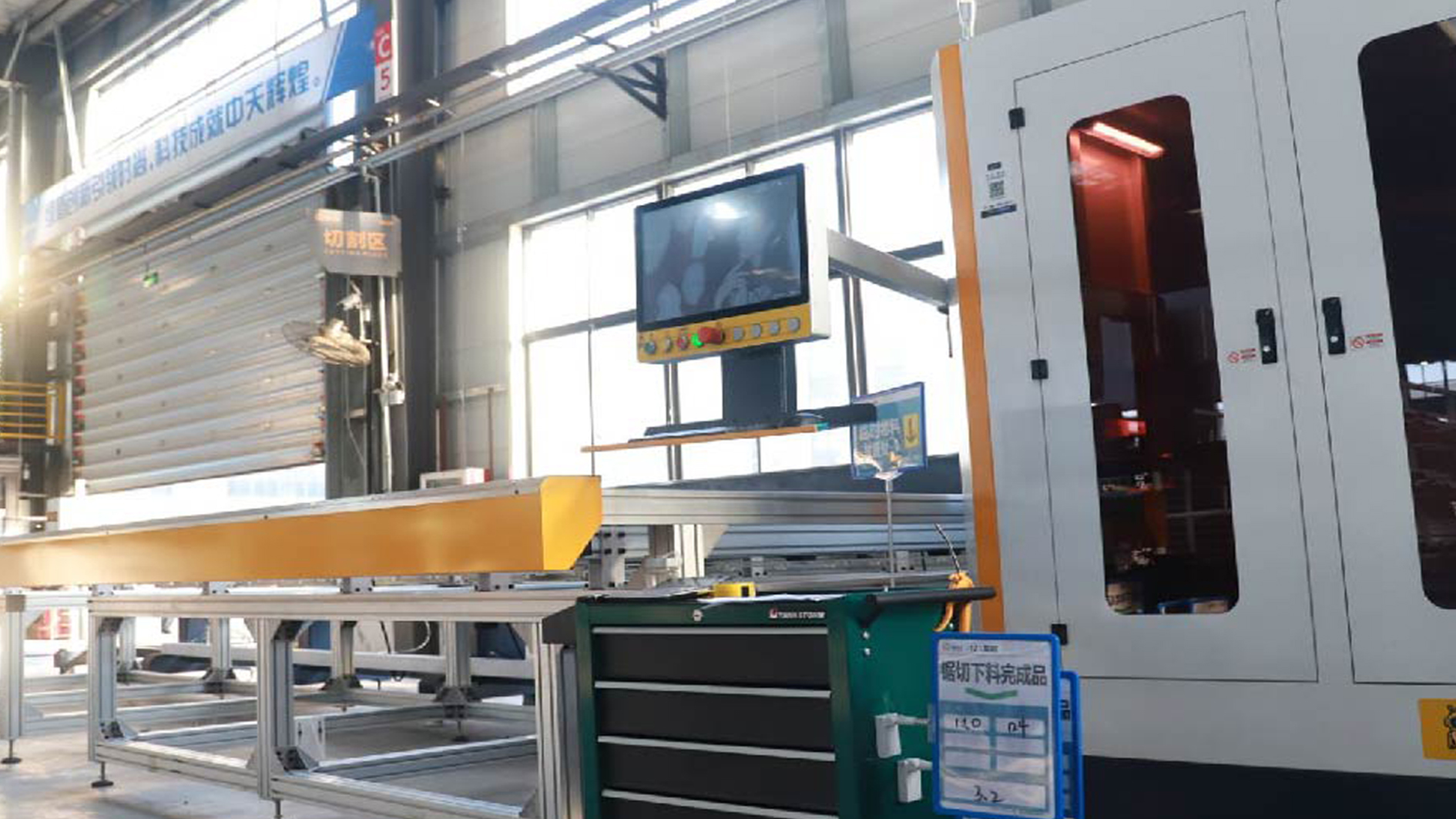 CNC Profile Drilling
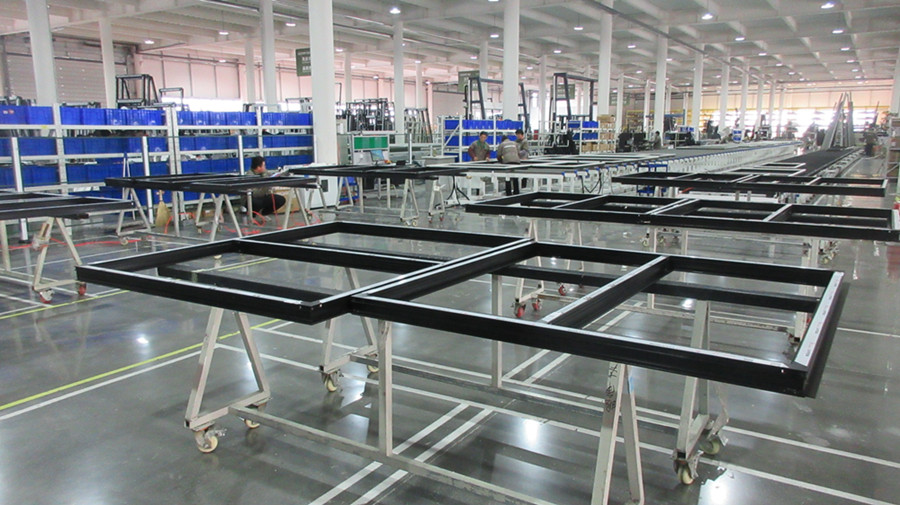 Precision Assembling
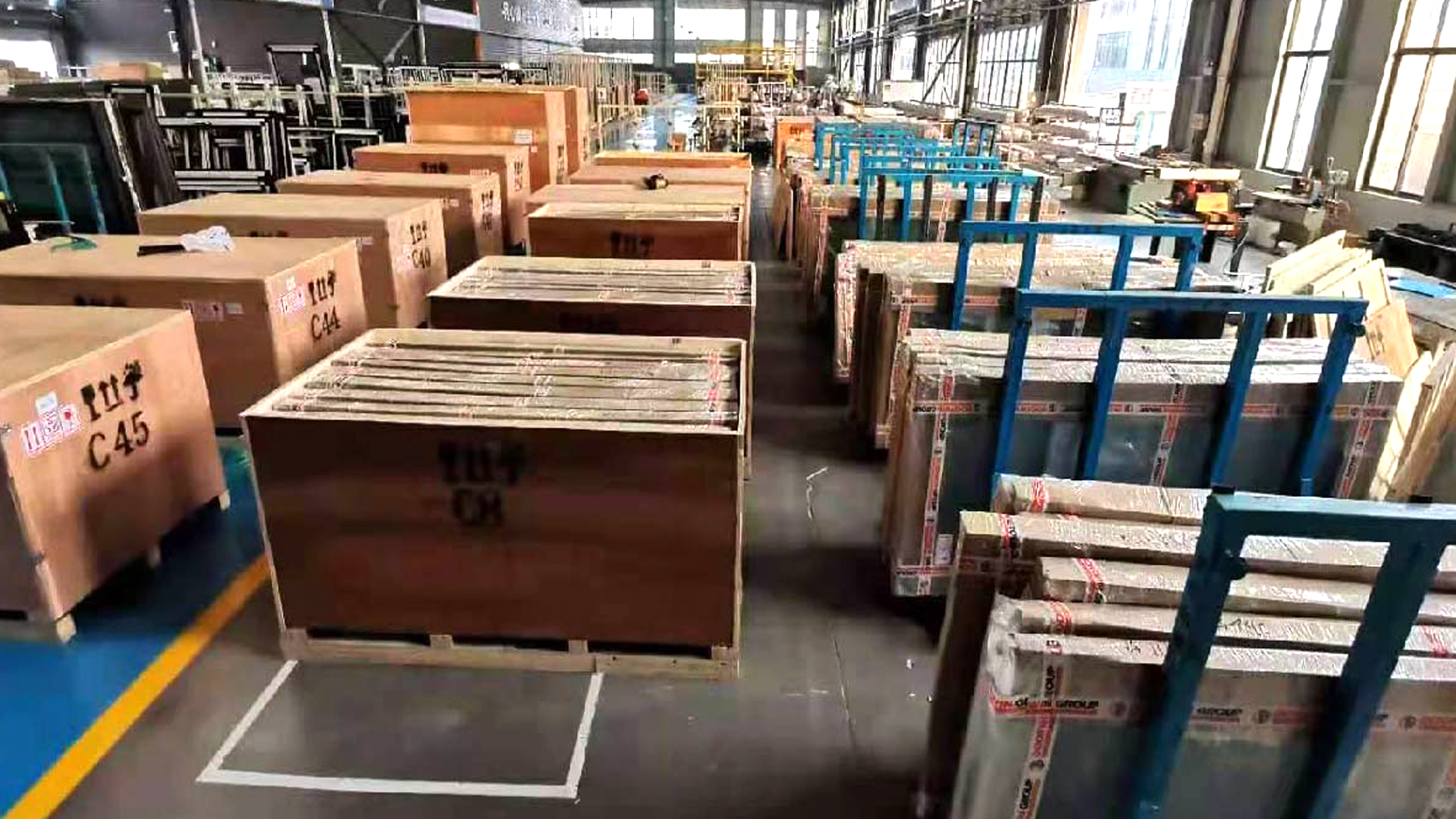 Export Packaging
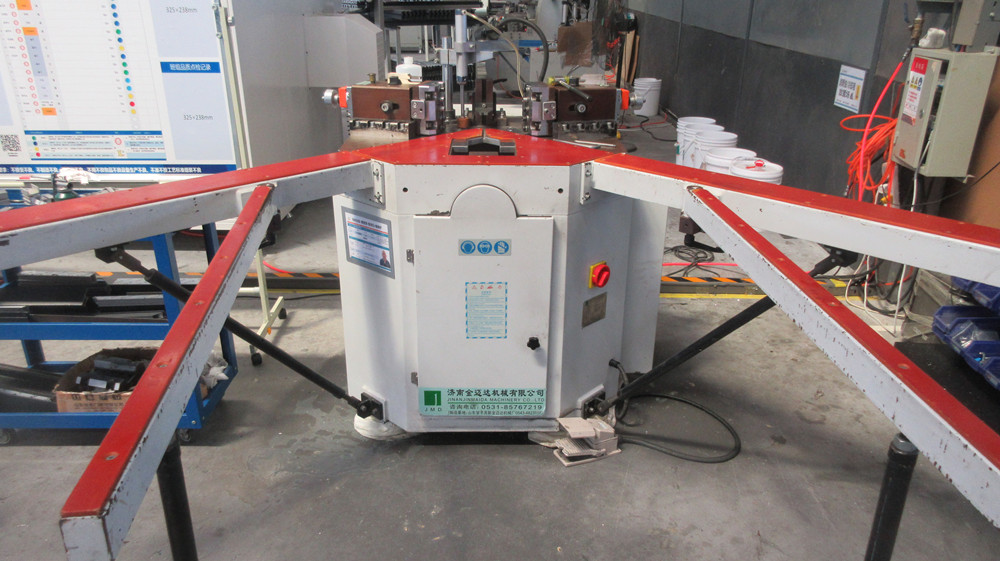 Angle Setting Machine
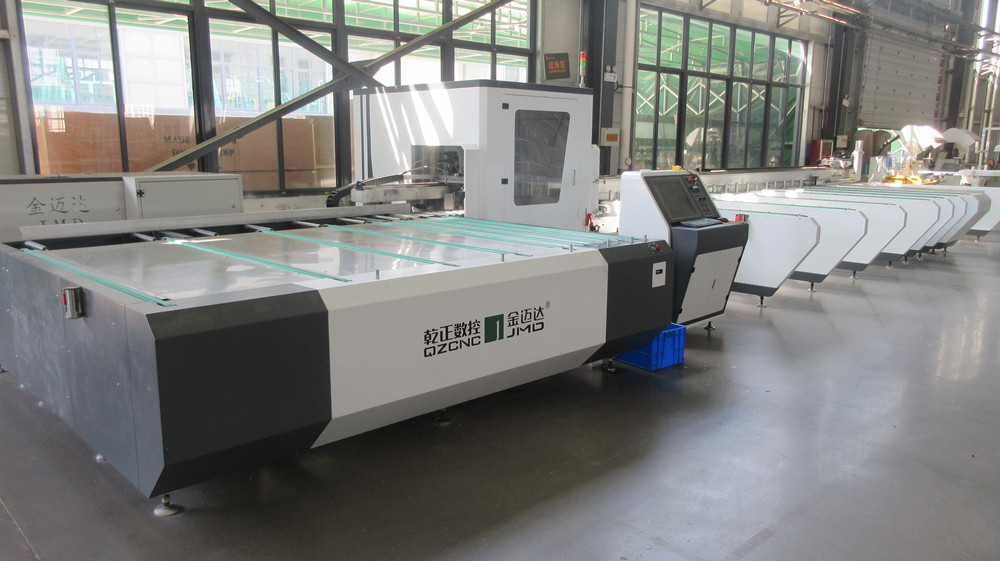 CNC Cutting Machine
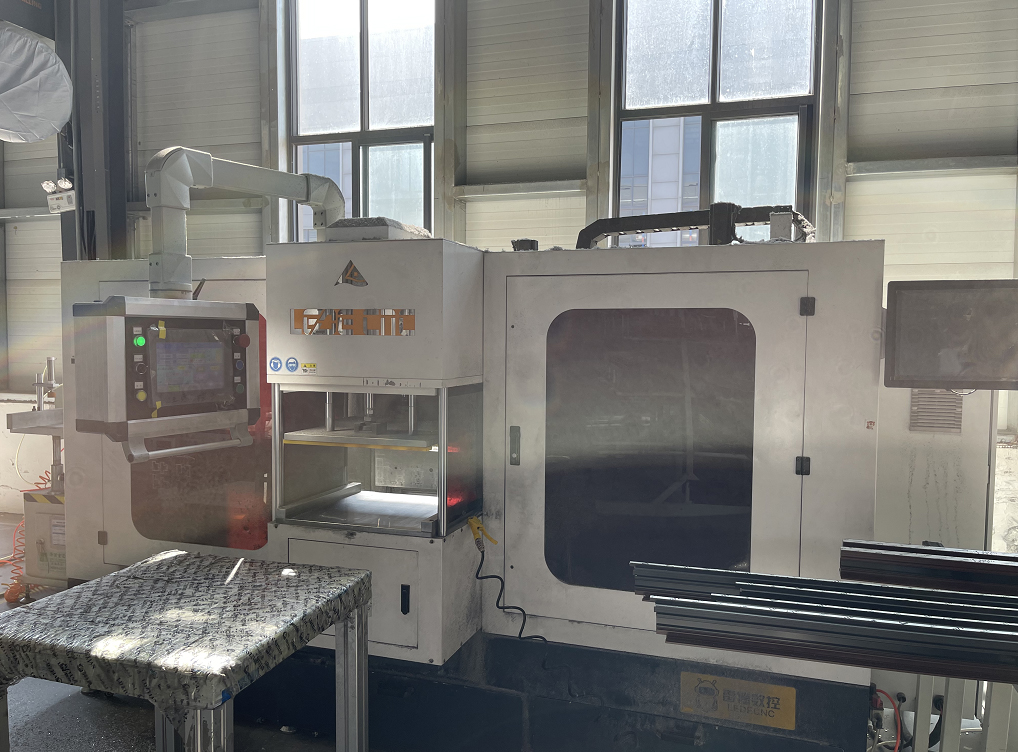 CNC Drilling Machine
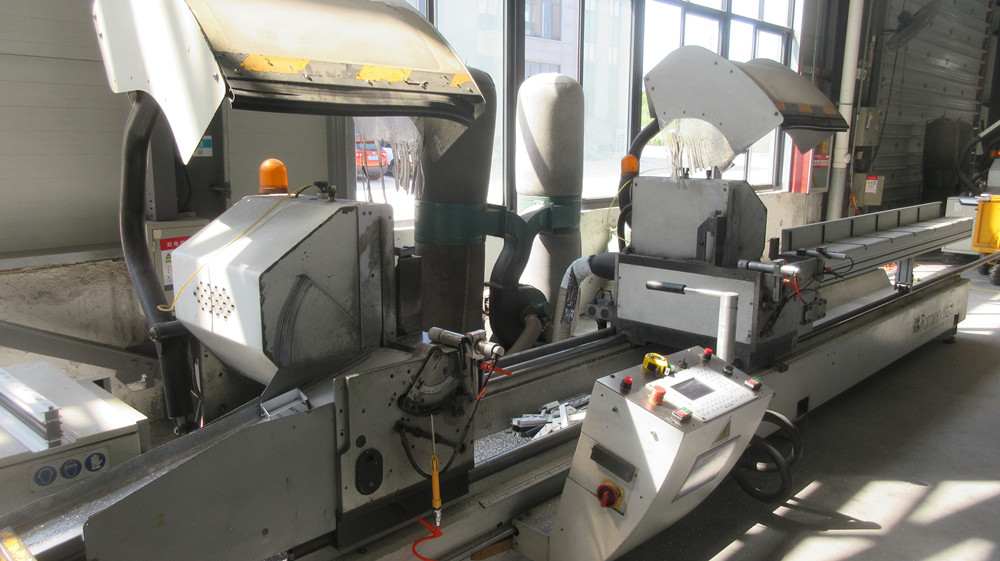 Industrial Cutting Machine
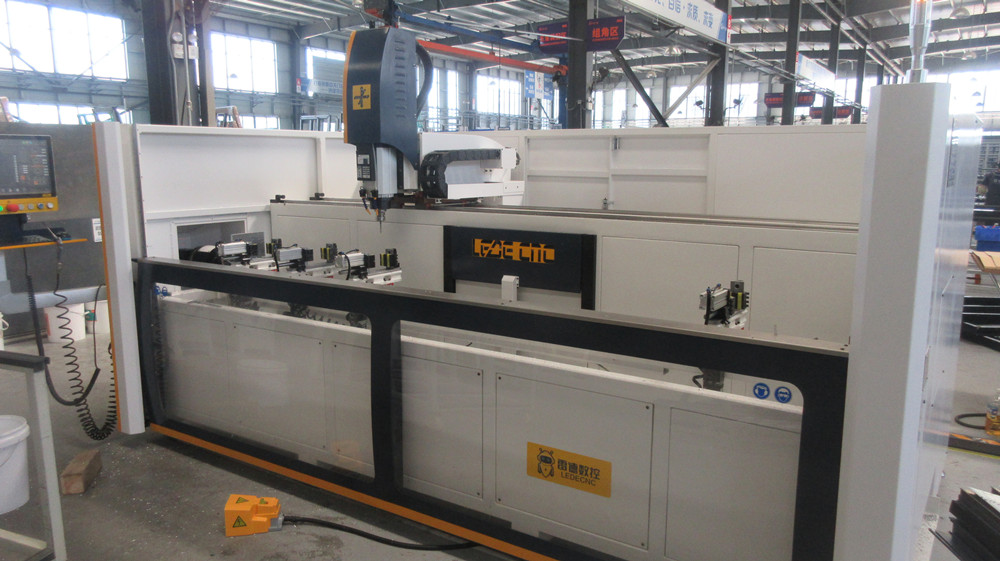 5-Axis Machining Center
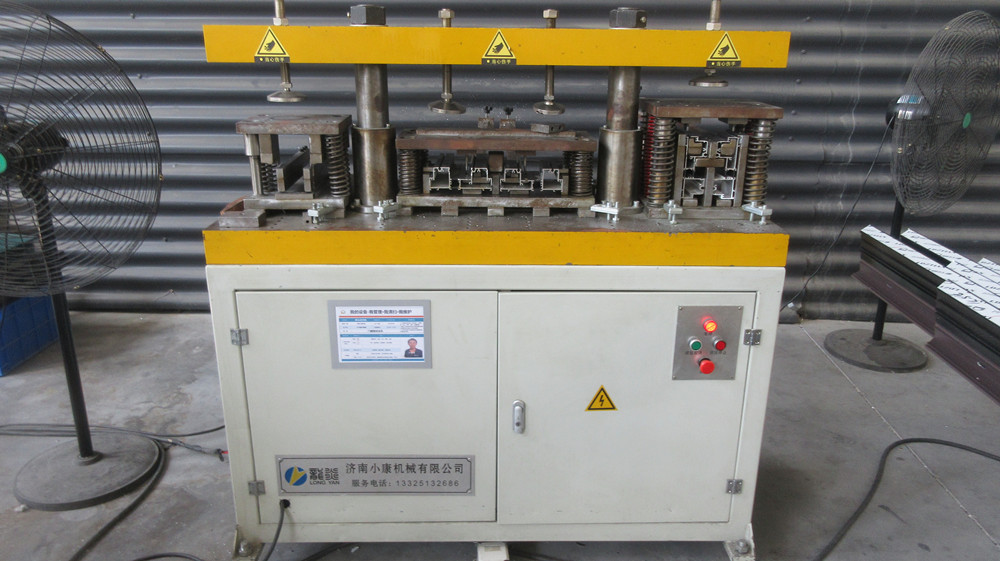 Multi Head Press Machine
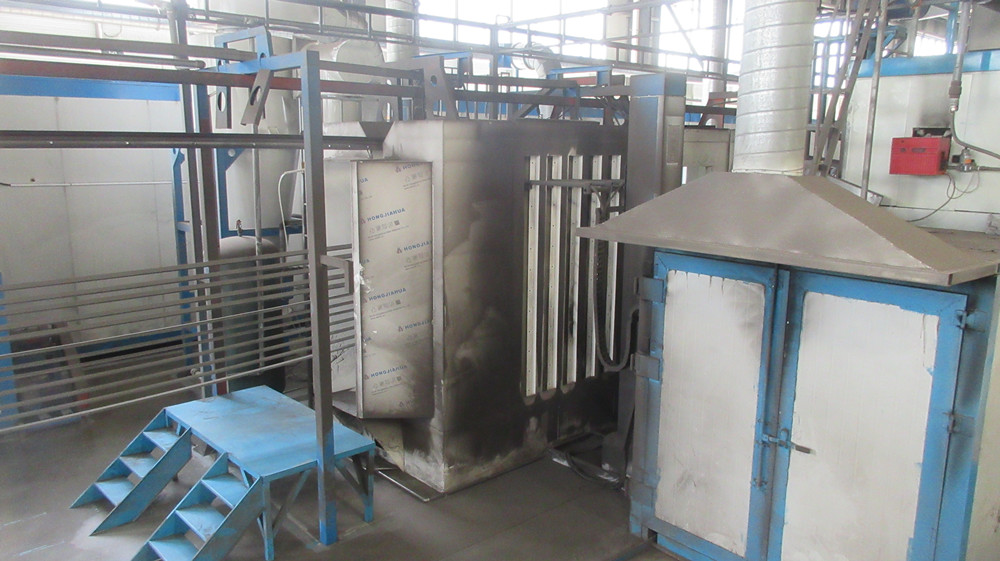 Automated Painting Line
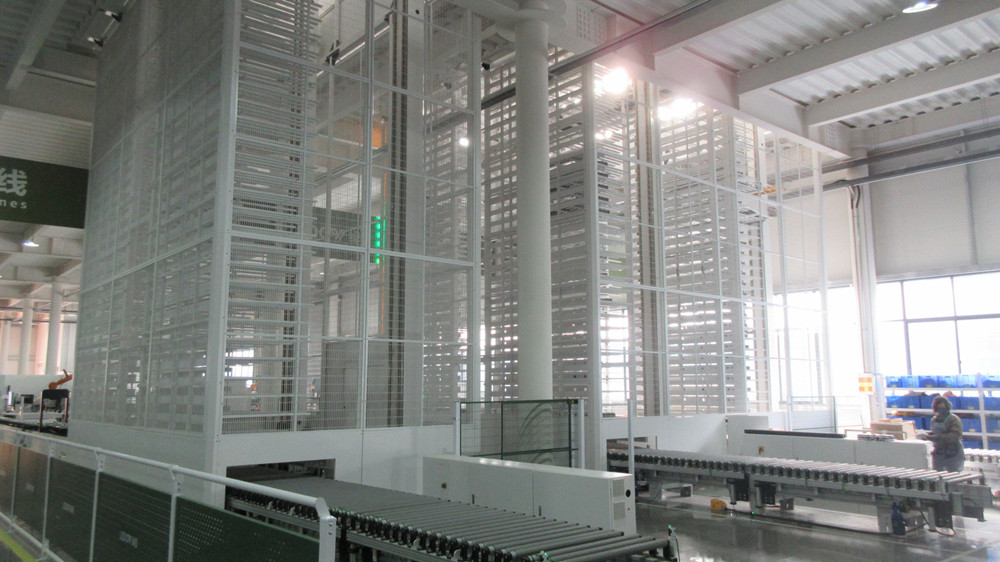 Intelligent Production Line
Commercial and residential architectural projects place vastly different mechanical demands on entry systems. China's leading suppliers offer tailored engineering configurations customized specifically to regional climate stresses and spatial aesthetics:
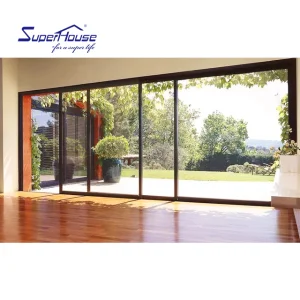
Focuses on ultra-large format pivot entry doors and minimal-frame bi-fold systems. Equipped with heavy-duty floor pivots capable of handling sashes up to 400kg, integrated multi-layer hurricane-proof laminated Low-E glass (e.g., 6mm + 1.52pvb + 6mm), and dynamic concealed drainage slots to prevent water ingress during torrential monsoons.
Demands continuous cycle endurance. Heavy-duty double aluminum casement doors are equipped with commercial crash bars, heavy-duty stainless steel continuous hinges, automated door operators, and thermal break frames engineered to handle over 500,000 opening cycles under harsh operating environments.
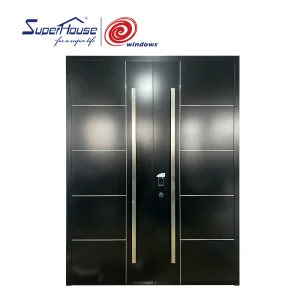
Integration of keyless access control right into the aluminum door sash profile. Incorporates biometric fingerprint readers, encrypted keypad systems, facial recognition cameras, remote smartphone app integration via Tuya/Zigbee protocols, and motorized multi-point solenoid deadbolts.
Founded in 2014, ShieldCraft Door Industries Co., Ltd. combines 12 years of core industry manufacturing experience with 4 years of rapid, hyper-scaled international export growth. Operating from a massive 50,000 sq ft state-of-the-art industrial park, ShieldCraft generates over $45 million in annual export sales, standing as a benchmark enterprise among Chinese fenestration producers.
Supported by robust international trade logistics infrastructure and an expansive network of over 1,800 supply chain partners, ShieldCraft supplies leading Home Improvement Chains, Commercial Builders, and Brand Wholesalers across Eastern Europe, Central Asia, and North America. Product quality is rigorously safeguarded by a team of 95 specialized QC technicians conducting Automated Optical Inspections (AOI), high-velocity dynamic air/water pressure tests, impact endurance trials, and digital multi-point lock alignment checks.
With industry-leading R&D capabilities, ShieldCraft’s dedicated engineering force of 210 skilled technicians and designers developed over 600 new architectural models last year alone. The factory offers complete OEM/ODM customization options, including smart biometric entry system integration, architectural custom RAL powder coating finishes, wood-grain heat transfer coatings, and specialized structural thermal insulation cores.
Global procurement directors navigating manufacturer selection in China should evaluate potential suppliers against four core engineering pillars:
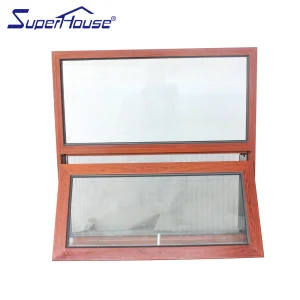
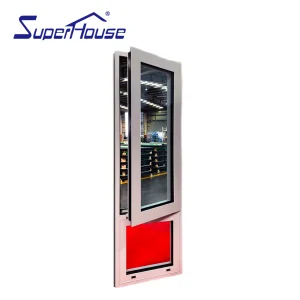
Heavy-duty hurricane impact doors, smart keyless entry systems, and architectural patio sliders designed for high-end developments.
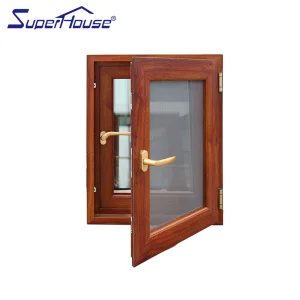
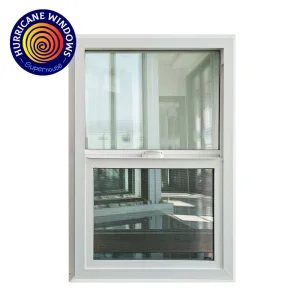
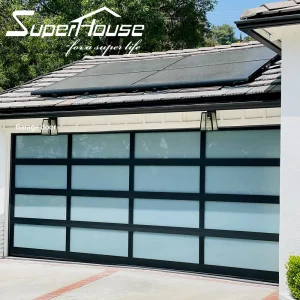
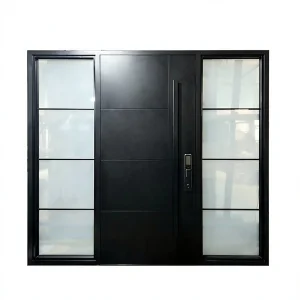
 ShieldCraft Doors