Explore our export-certified hurricane impact systems, energy-efficient double-glazed casement windows, and high-security structural entry assemblies engineered for international building codes.
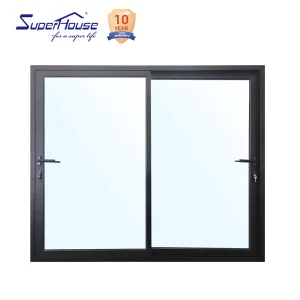
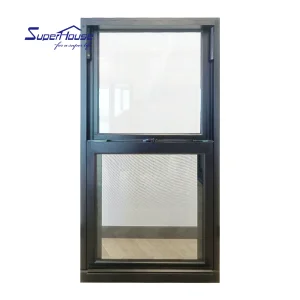
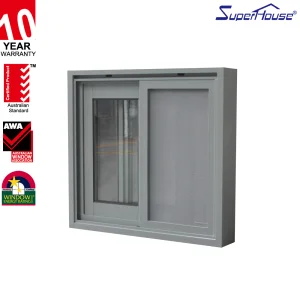
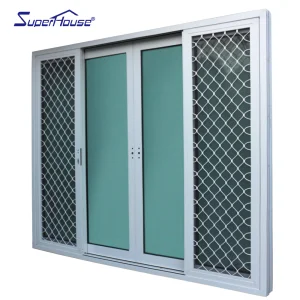
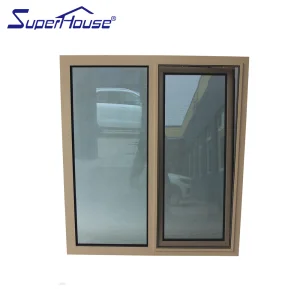
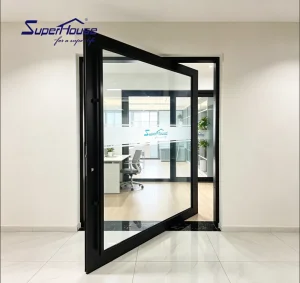
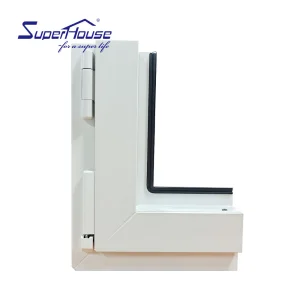
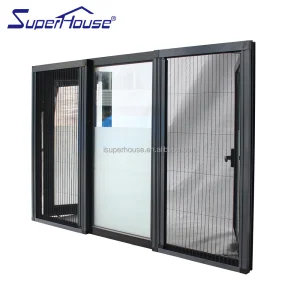
The global architectural fenestration and security entrance door industry is undergoing a structural paradigm shift. High-rise developers, commercial general contractors, and luxury residential homebuilders are increasingly moving away from traditional timber and unreinforced steel doors in favor of advanced, thermal-break high-strength aluminum alloy structural systems. Driven by aggressive regional building energy efficiency codes (such as ASHRAE 90.1, IECC, and California Title 24) alongside escalating physical anti-burglary and extreme weather events, high-security aluminum entry doors are now regarded as critical facade assets rather than standard interior elements.
Modern architectural entry doors require EN 1627 RC3 to RC4 intrusion resistance ratings. Utilizing T6-hardened 6063/6060 aluminum extrusions combined with multi-point stainless steel gear hook locks and anti-pry deadbolts, manufacturers deliver defense against physical forced entry, ballistic threats, and high-impact mechanical stress.
The integration of high-density Polyamide (PA66GF25) thermal barrier strips reinforced with 25% fiberglass prevents thermal bridging. Achieving low U-factors below 0.28 BTU/h·ft²·°F enables massive reduction in HVAC loads, directly assisting developers in meeting LEED Platinum and Net-Zero Energy standard targets.
Global procurement specifies seamless integration of biometric access control, 3D facial recognition, motorized multi-bolt electronic locks, and IoT home automation compatibility (Zigbee, Matter, Z-Wave). Hidden wiring channels and armored conduit raceways are pre-engineered into aluminum frame extrusions.
Sourcing commercial fenestration and heavy-duty aluminum entry systems from China requires strict adherence to international building codes, structural engineering standards, and rigorous third-party lab testing. Leading Chinese exporters are no longer merely low-cost assembly hubs; they operate state-of-the-art testing laboratories accredited to international frameworks.
For hurricane-prone coastal corridors across Florida, the Gulf Coast, and the Caribbean, entry doors must pass TAS 201 (Large Missile Impact), TAS 202 (Uniform Static Air Pressure), and TAS 203 (Cyclic Wind Pressure Loading). Compliance earns Miami-Dade NOA (Notice of Acceptance) and Florida Product Approval (FPA). Thermal metrics must be certified by the National Fenestration Rating Council (NFRC) for U-Factor and Solar Heat Gain Coefficient (SHGC).
Products exported to Australia and New Zealand must strictly comply with AS2047 (Windows and doors in buildings) and AS1170 for structural design loads. Testing includes deflection under positive/negative wind loads, water penetration resistance (Pa), and ultimate strength verification under extreme climatic conditions typical of the Australasian territory.
European residential and commercial contracts demand EN 14351-1 product performance certification covering air permeability (EN 12207 Class 4), watertightness (EN 12208 Class E1050), and resistance to wind loads (EN 12210 Class C5). Powder coatings must meet Qualicoat Class 2 or 3 architectural standards for extreme UV stabilization.
Founded in 2014, ShieldCraft Door Industries Co., Ltd. combines 12 years of industry experience with 4 years of rapid international export growth. Operating from a massive 50,000 sq ft industrial park, we generate over $45 million in annual export sales. Supported by strong international trade capabilities and over 1,800 supply chain partners, we supply leading Home Improvement Chains, Commercial Builders, and Brand Wholesalers across Eastern Europe, Central Asia, and North America. Quality is safeguarded by 95 QC technicians conducting automated optical inspections, impact endurance tests, and multi-point lock alignment checks. With top-tier R&D strength, our team of 210 skilled engineers developed over 600 new models last year, offering full customization options including smart entry system integration, custom RAL colors, and specialized thermal insulation cores.
Precision execution at scale is achieved through our fully digitized automated production line. Below is an inside look at ShieldCraft's specialized machinery, precision machining centers, and strict quality-assurance stations:
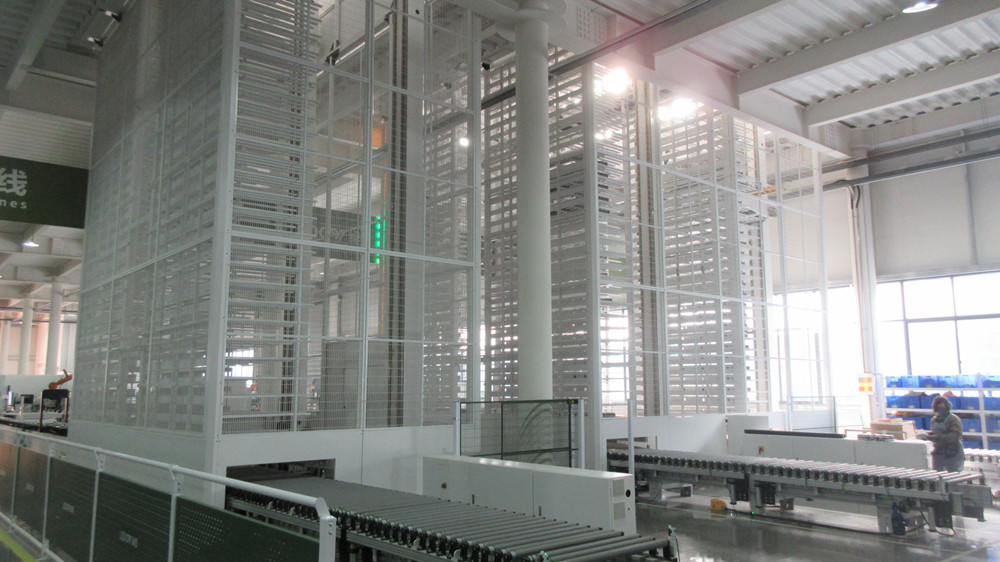 Storage
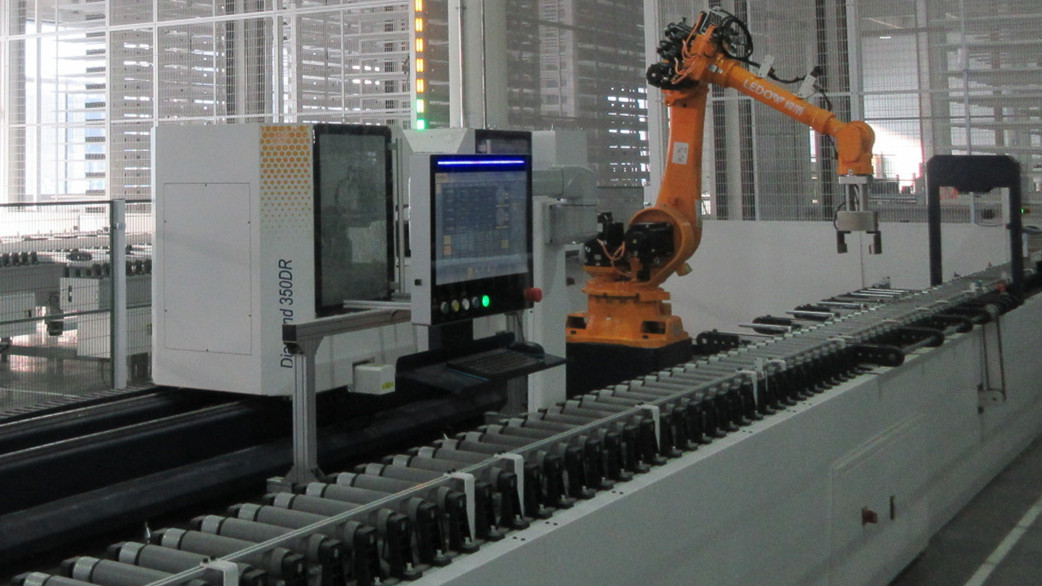 Cutting
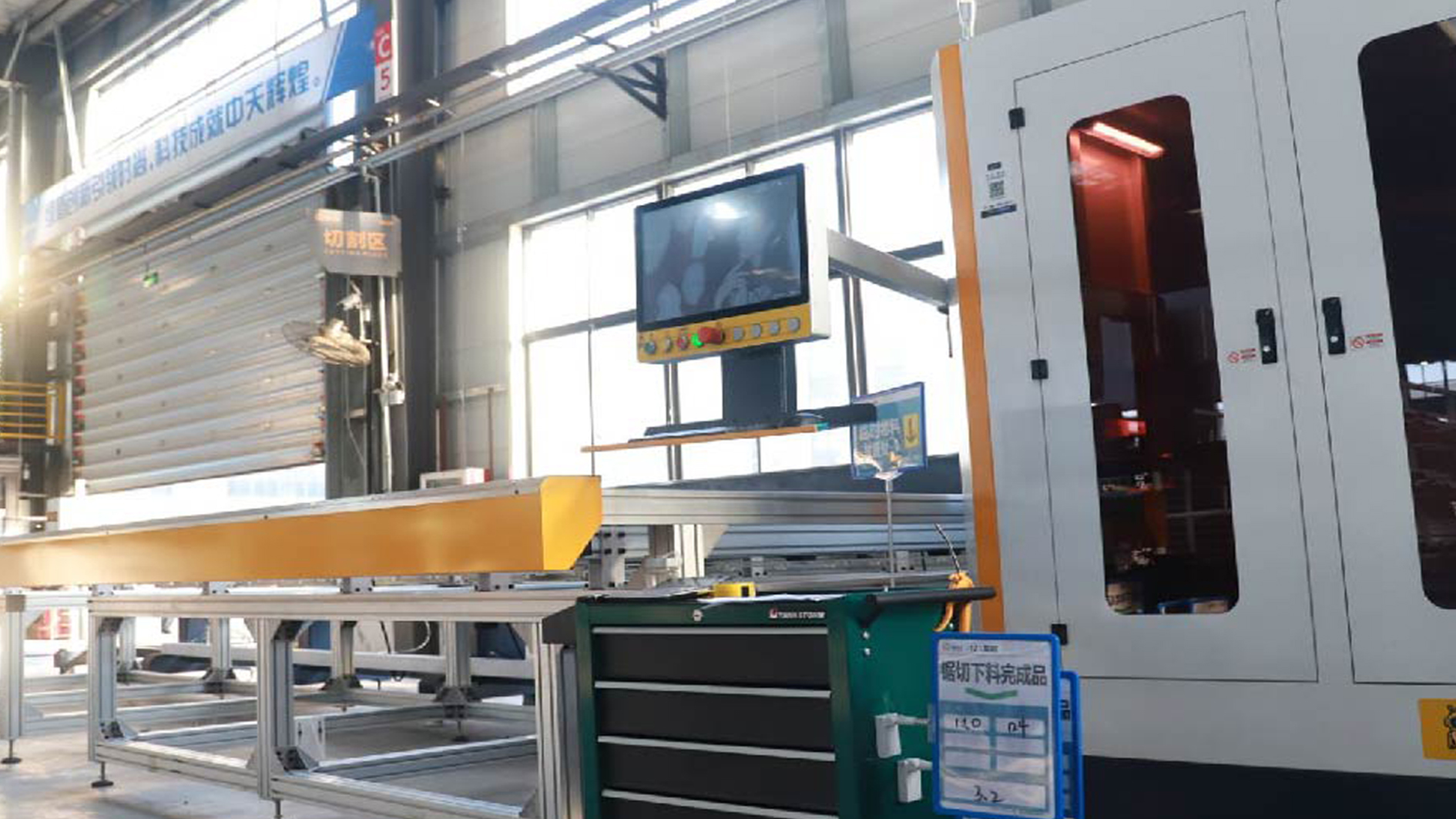 Drilling
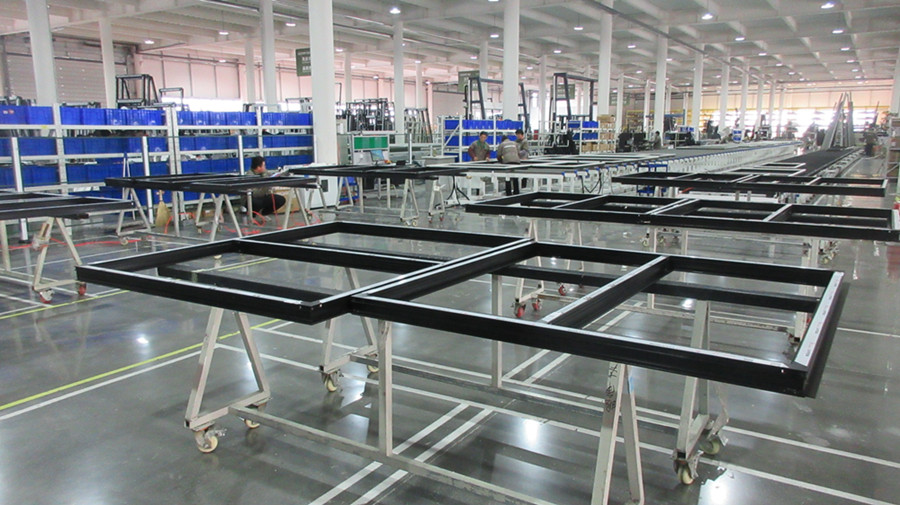 Assembling
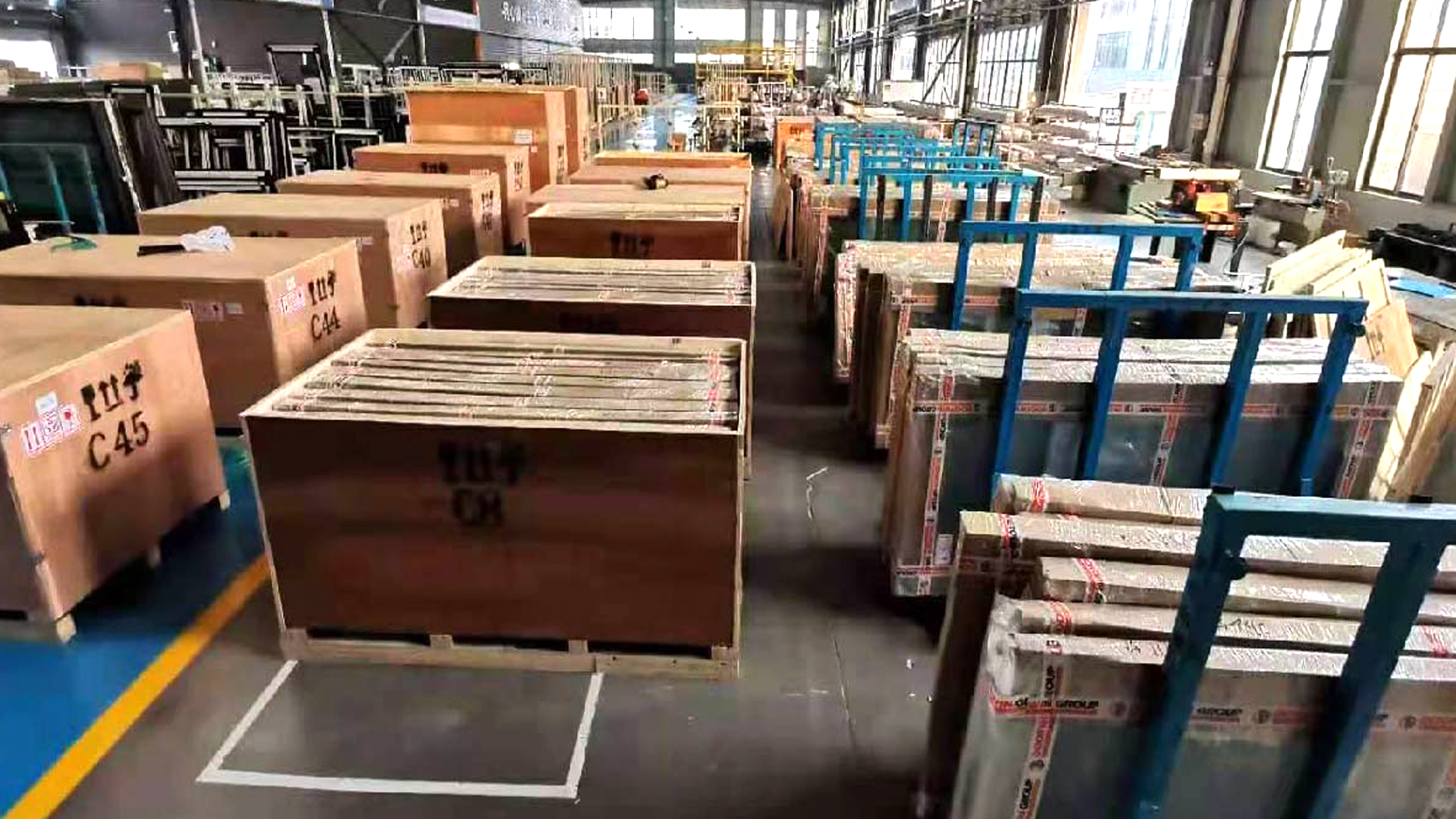 Packaging
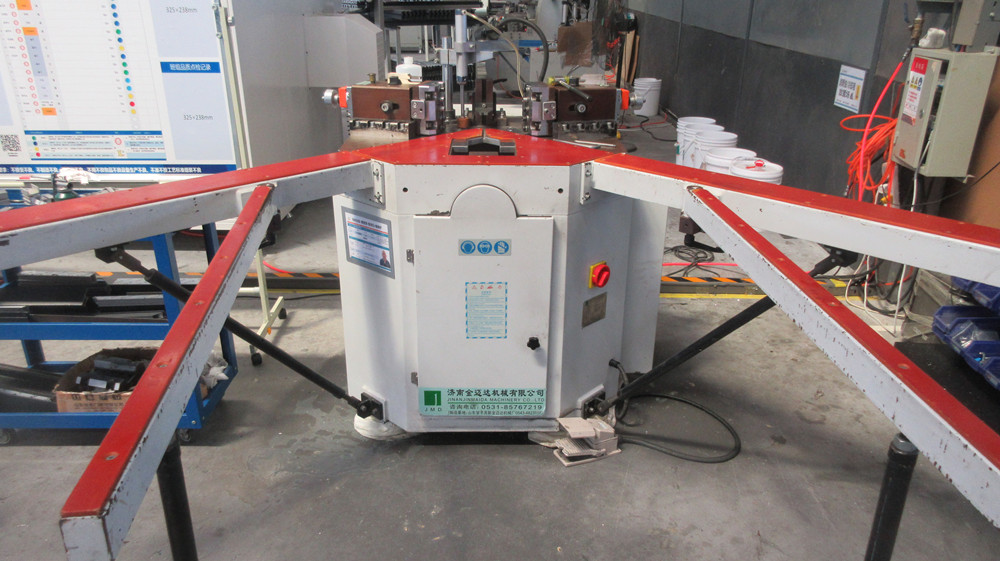 Angle Setting Machine
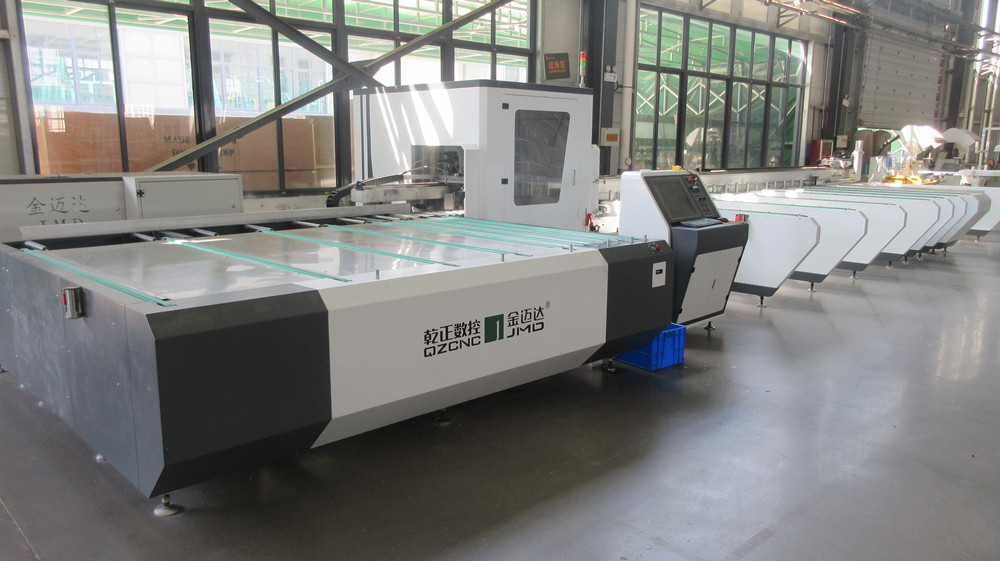 CNC Cutting Machine
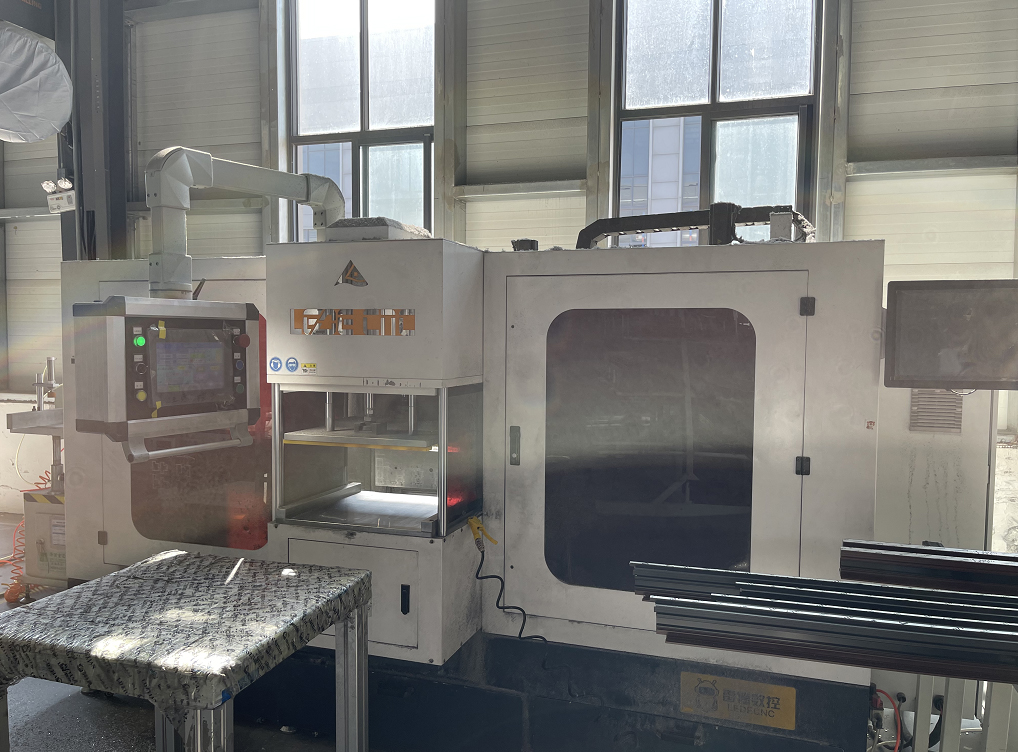 CNC Drilling Machine
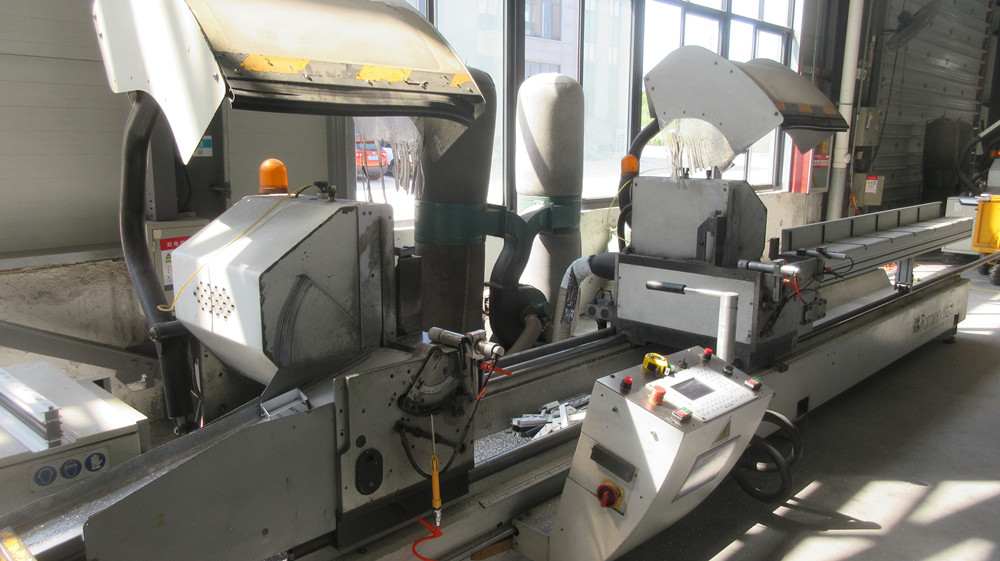 Cutting Machine
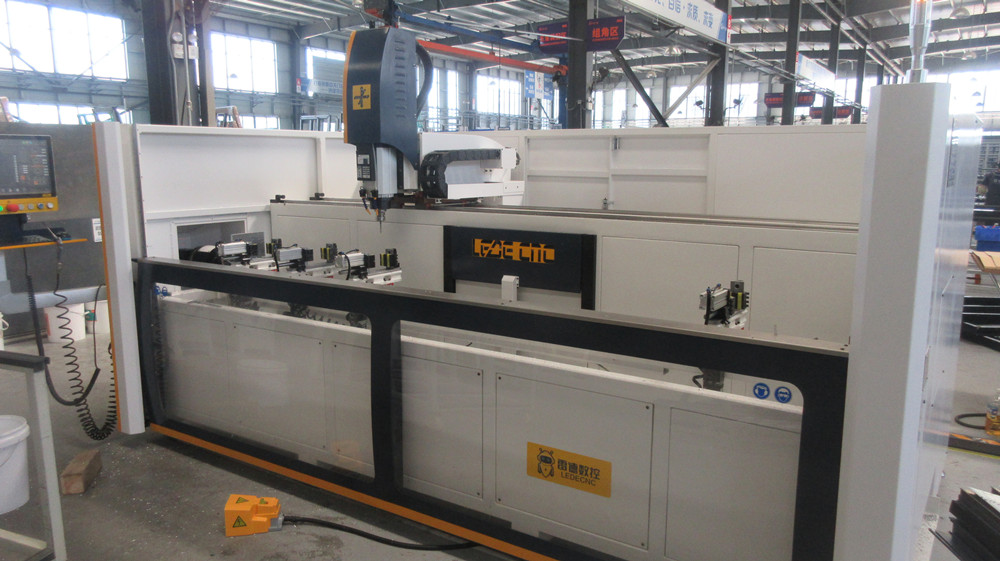 Machining Center
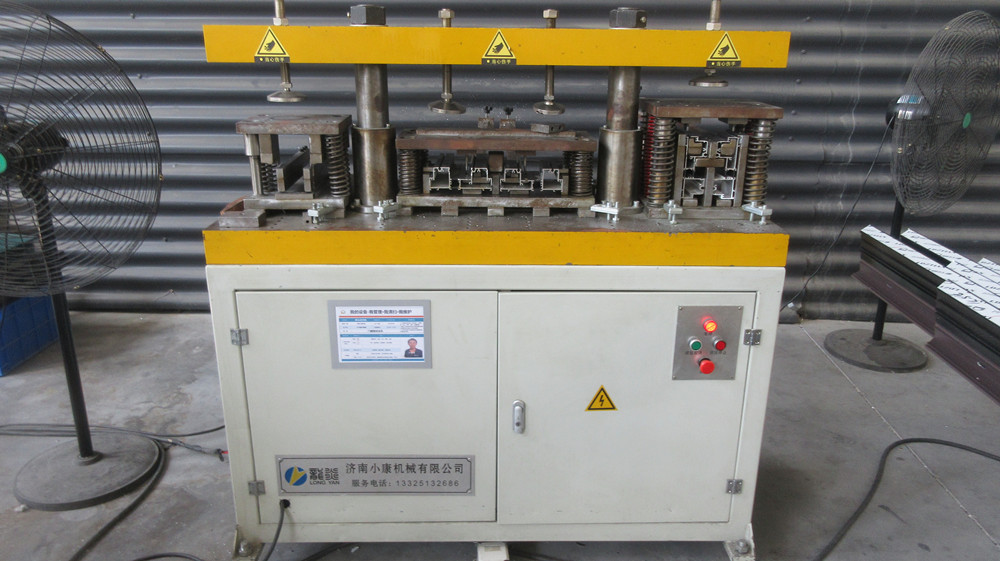 Multi head press
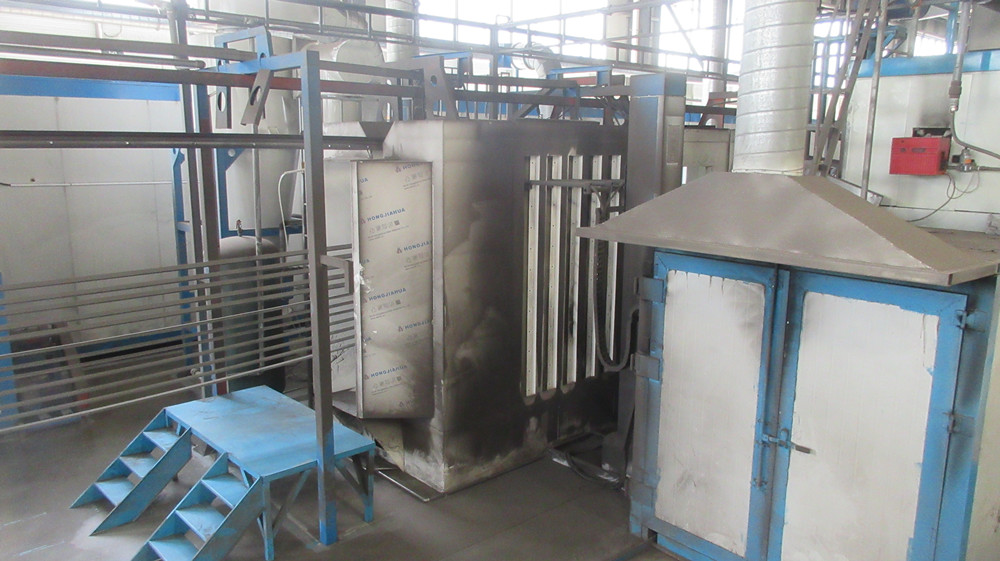 Painting Line
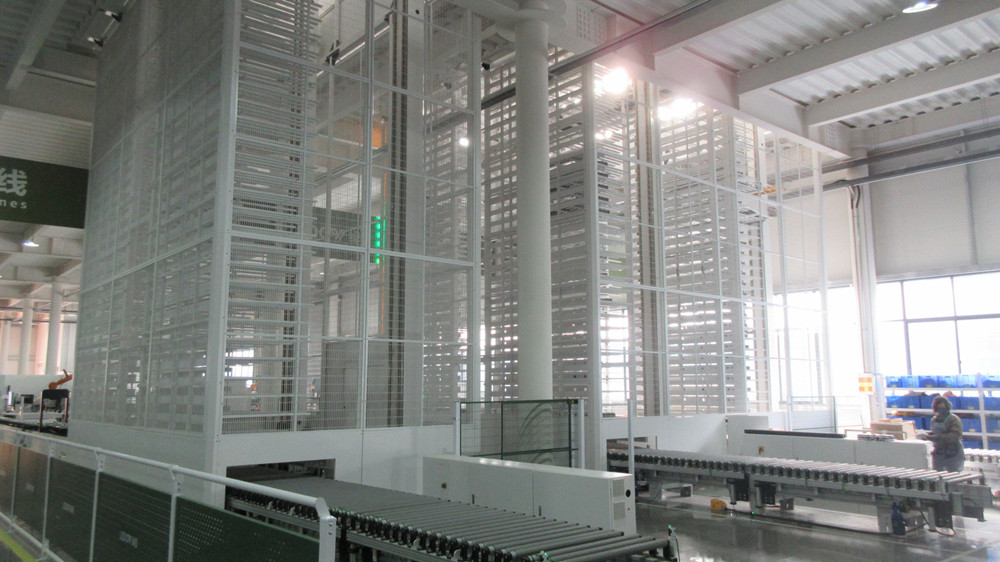 Aluminum alloy intelligent production line
To provide clear Information Gain for structural engineers, procurement managers, and architects, this whitepaper outlines the key material specifications that separate standard commercial doors from heavy-duty security entrance systems.
Top-tier manufacturers utilize 6063-T6 or 6060-T6 high-grade architectural aluminum extrusions. The T6 heat treatment temper delivers a tensile strength exceeding 205 MPa (29,700 psi) and yield strength above 170 MPa. Profile wall thickness for primary entry door jambs and stiles ranges between 2.0mm to 3.0mm, preventing warping under high wind pressure and physical impact.
Glazing units in security entry doors incorporate laminated safety glass consisting of two sheets of tempered glass bonded together with a heavy-duty PVB (Polyvinyl Butyral) or SentryGlas® (SGP) interlayer (up to 1.52mm thickness). In hurricane zones, SGP interlayers provide 5 times the tear strength and 100 times the rigidity of standard PVB, maintaining structural barrier protection even if the outer glass pane shatters.
Security doors feature multi-point locking systems (3-point to 7-point gear locks) activated by a single handle movement or electronic motor. Heavy-duty 3D adjustable 304 stainless steel security hinges or concealed pivot systems are rated to support leaf weights in excess of 400kg (880 lbs) for up to 500,000 operational cycles without sagging.
Aluminum secure entry door systems are engineered for dynamic environmental conditions and architectural aesthetics across different global zones:
Primary Regions: Florida, Gulf Coast USA, Caribbean Islands, Northern Australia.
Engineering Specification: Outswing heavy-duty aluminum entry frames with Miami-Dade NOA approval, triple-sealed EPDM gaskets, marine-grade AkzoNobel fluorocarbon (PVDF) 3-coat finish for 10,000-hour salt spray corrosion resistance, and SGP laminated impact glass.
Primary Regions: North America, Eastern Europe, Central Asia.
Engineering Specification: Multi-chambered thermal break profiles with 34mm PA66 polyamide insulation strips, triple-pane Low-E insulated argon-filled glass units achieving U-factors as low as 0.16 W/m²K, preventing interior condensation and thermal loss.
Primary Regions: Global Modern Real Estate Projects.
Engineering Specification: Large format floor-to-ceiling modern aluminum pivot entry doors with smart biometric access control (fingerprint, keypad, 3D facial recognition), integrated LED side-lite panels, dynamic acoustic insulation up to STC 45 dB.
Discover our range of commercial pivot doors, high-security smart entry systems, tilt-and-turn windows, and thermal-break stacker door solutions.
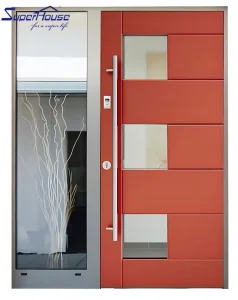
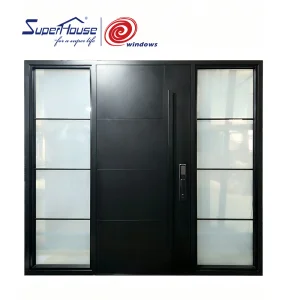
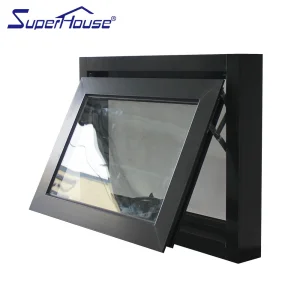
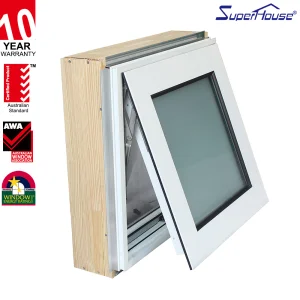

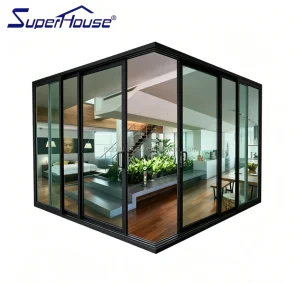

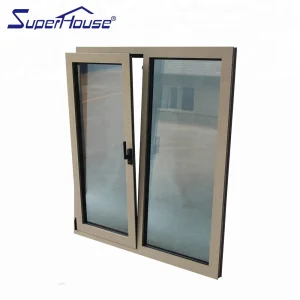
Addressing key structural, logistics, compliance, and customization inquiries from commercial builders, wholesalers, and general contractors.
 ShieldCraft Doors